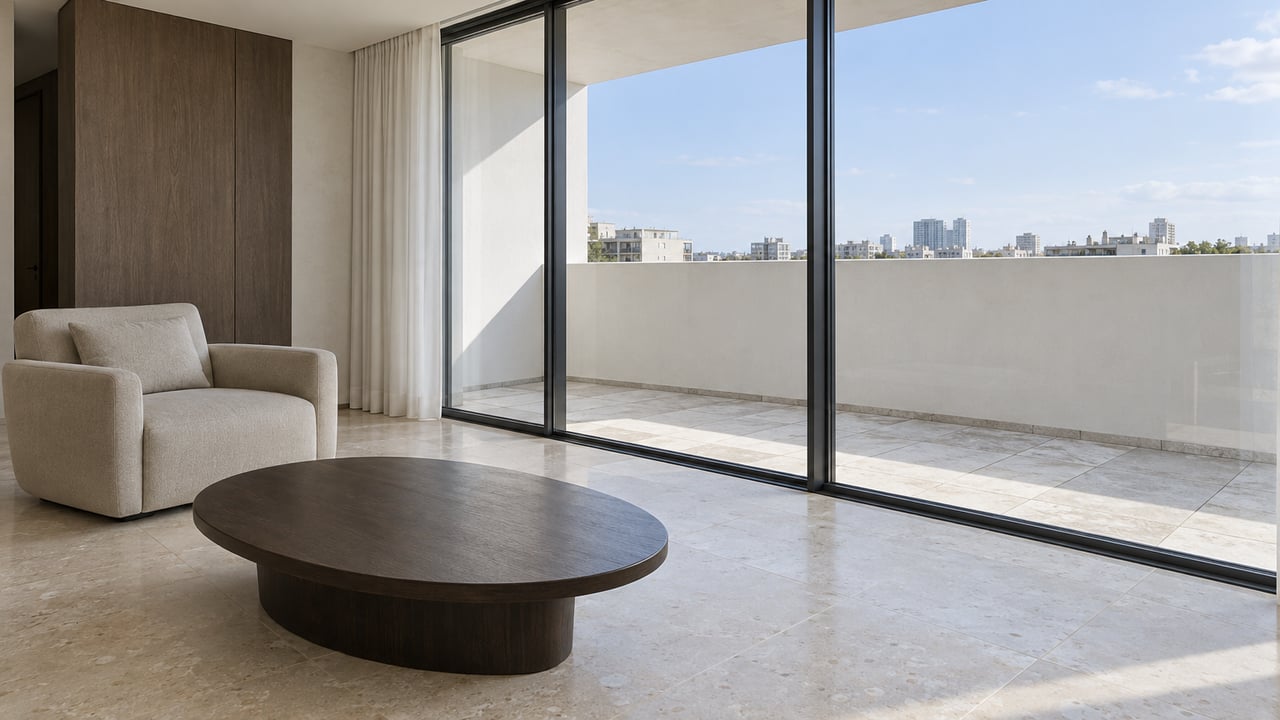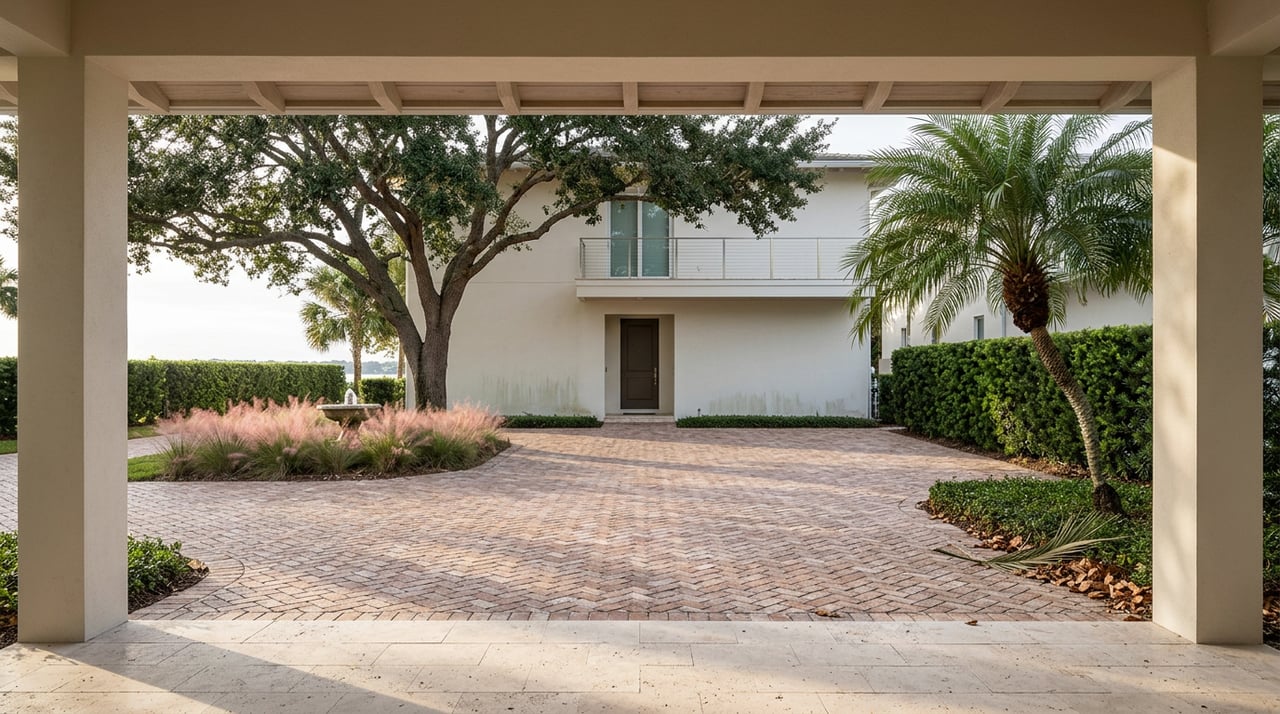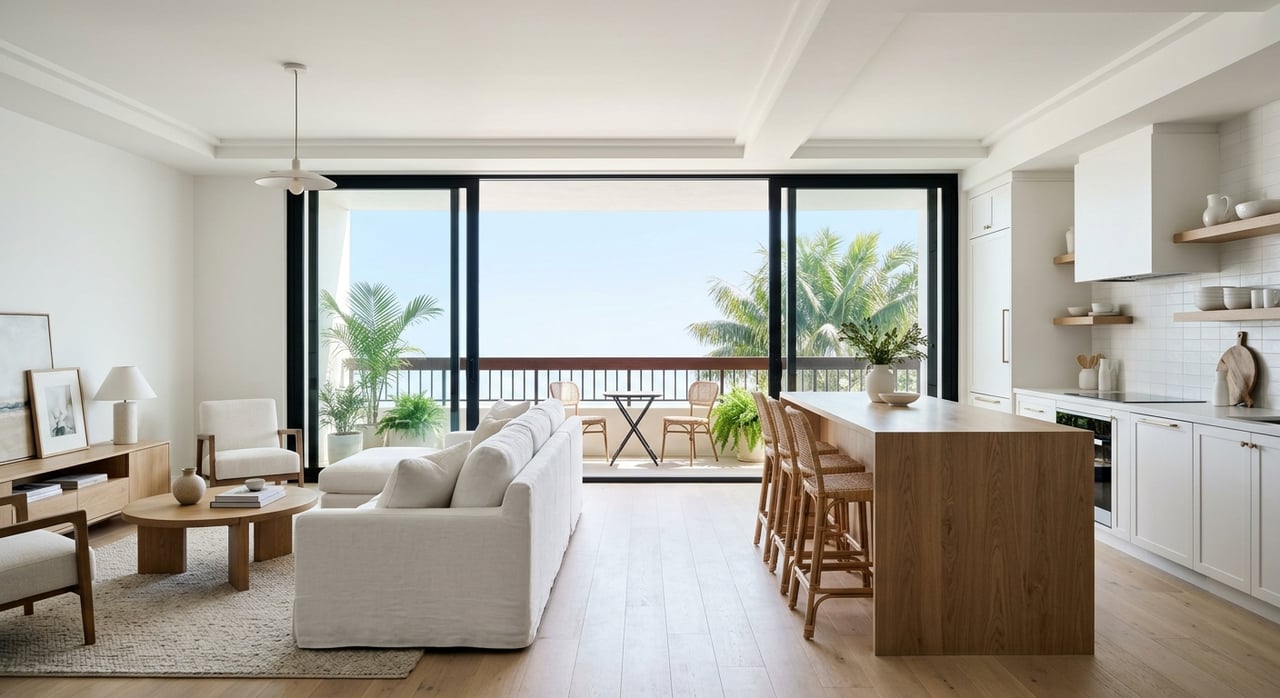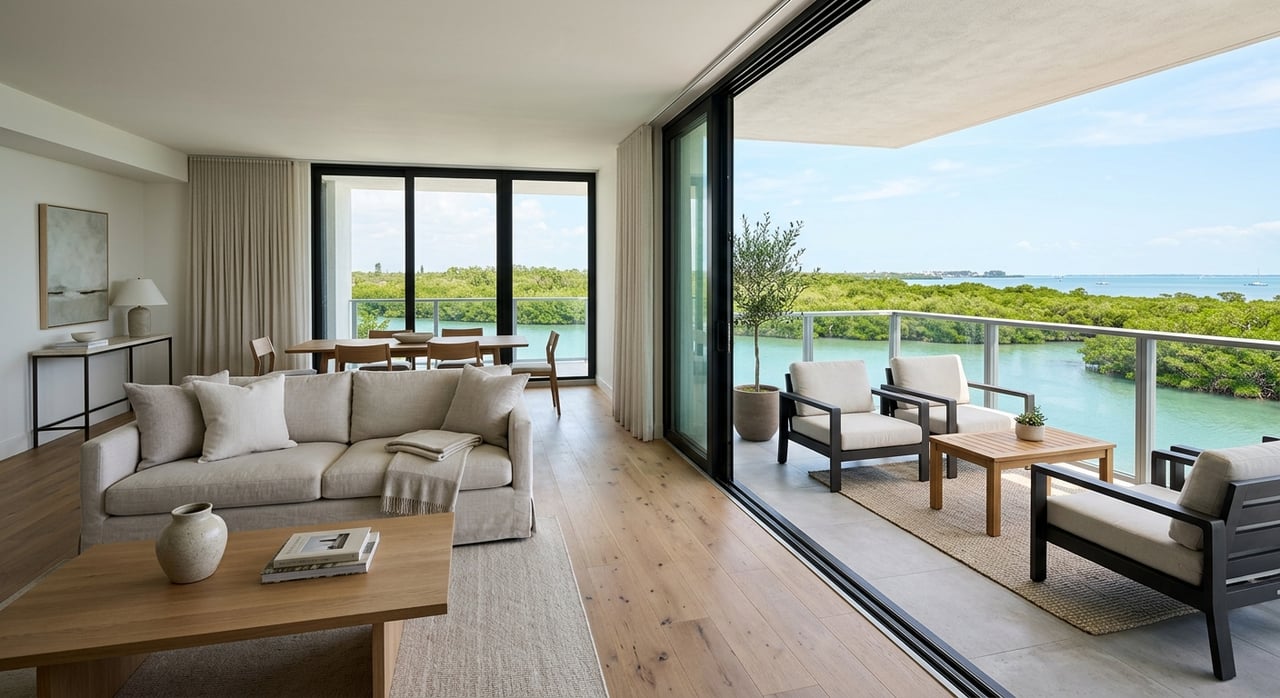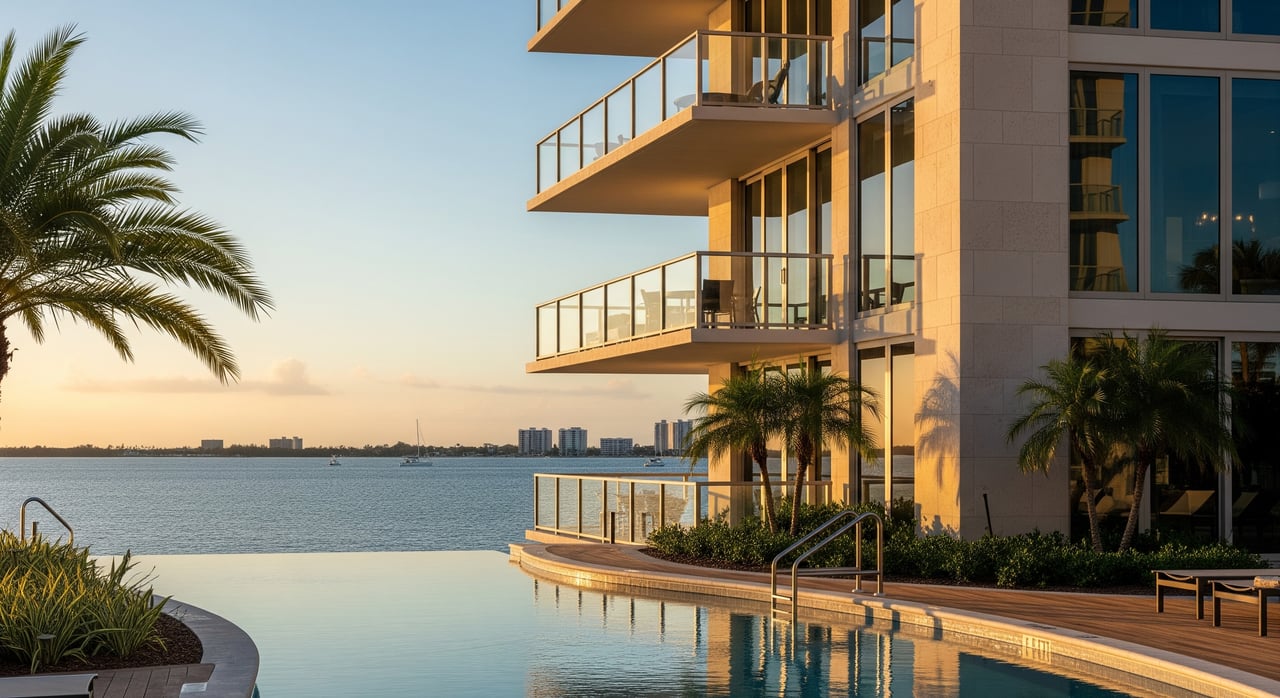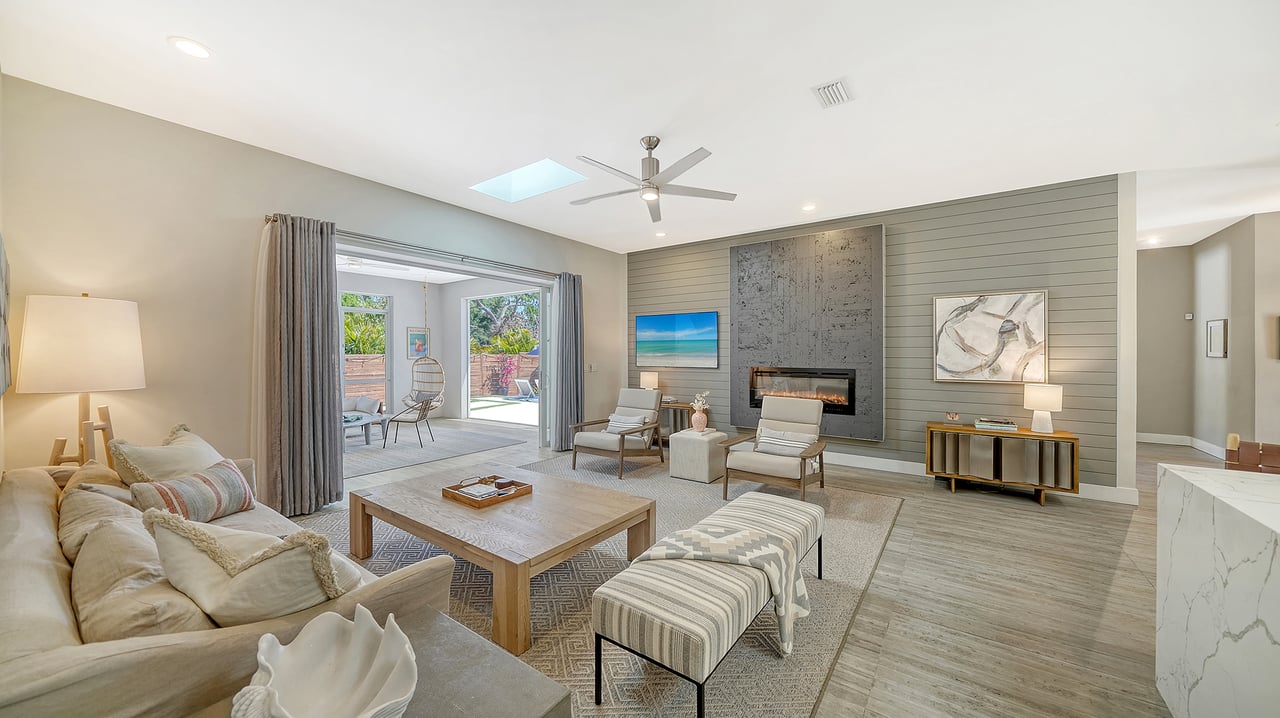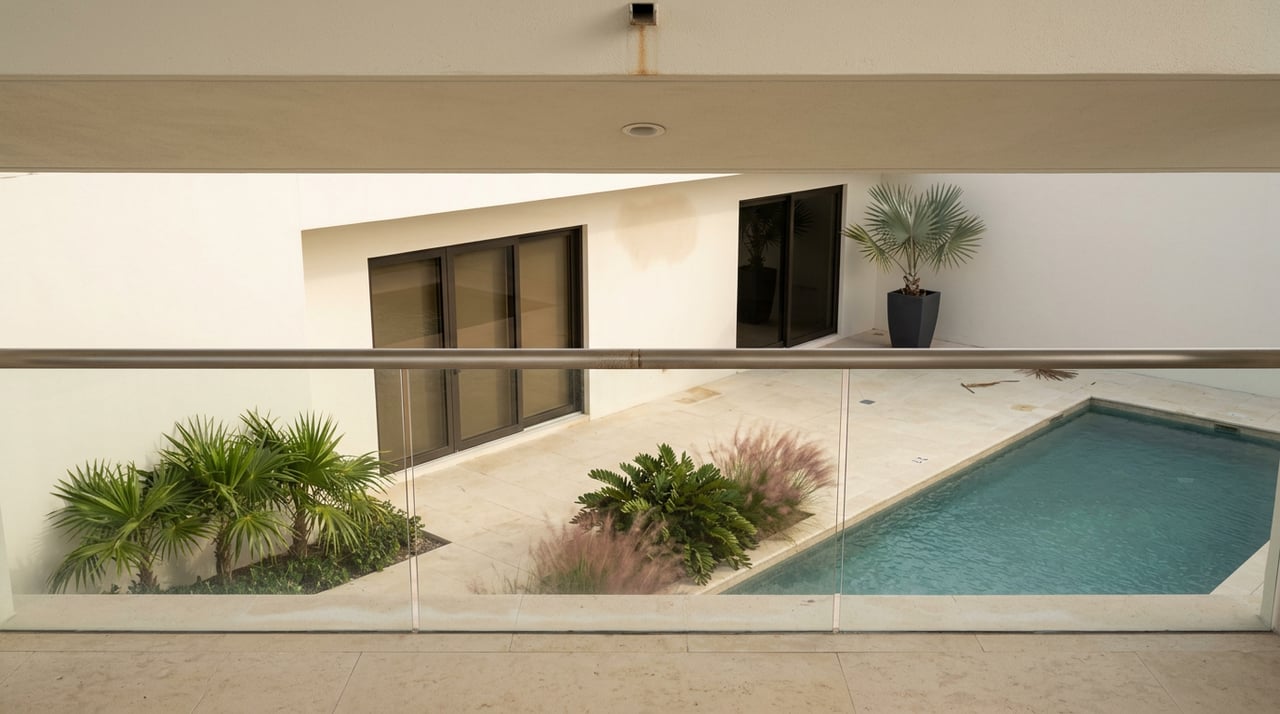
Picture a buyer spending a Saturday touring Gulf-front condos. In the morning, a unit on Longboat Key, maybe eight floors up, sliding doors open to the water, priced in line with everything else on that stretch of Gulf of Mexico Drive. By afternoon, a nearly identical unit on Lido Key, five minutes south past St. Armands Circle, similar square footage, similar view, similar price tag on the listing sheet.
On paper these look like the same purchase. A buyer weighing them side by side, spreadsheet open, is comparing HOA dues, assessment history, maybe the age of the roof. What almost never makes that spreadsheet is the one variable that decides what kind of asset each condo actually becomes the day it closes: how many nights a renter is legally allowed to stay.
That single rule, buried in municipal code rather than in any listing, does more to separate these two islands as investments than price per square foot ever will. Longboat Key and Lido Key sit less than ten minutes apart, share a beach, and attract the same buyer. But they answer to two different governments, and those governments wrote two very different rental laws.
Two Governments, Two Rulebooks
Longboat Key is its own incorporated town, straddling the Sarasota and Manatee county line, with its own Planning, Zoning & Building Department setting its own rental policy. Lido Key, by contrast, sits inside the city limits of Sarasota. Its short-term rental rules come from Sarasota City Hall, not from any barrier-island town government, and they fall under a specific carve-out called the Coastal Islands Overlay District.
That difference in who writes the rule is the whole story. A buyer can stand on a public beach access point on Longboat Key, walk south along the sand, cross onto Lido, and never notice they have left one jurisdiction and entered another. The zoning map does not announce itself. The rental income statement will.
What Each Island Actually Allows
| Longboat Key | Lido Key | |
|---|---|---|
| Governing body | Town of Longboat Key | City of Sarasota |
| Minimum stay (most residential parcels) | 30 consecutive calendar days | 7 full days and 7 full nights |
| Governing code | Chapter 158, Section 158.104; Residential Rental Registry (per Ordinance 82-10) | Chapter 34.5, Coastal Islands Overlay District |
| Registration required | Yes, for residential rentals under 6 months | Yes, Certificate of Registration for qualifying single-family and 2 to 4 unit dwellings |
| Notable exceptions | Tourism-zoned or grandfathered parcels, including the Residences at St. Regis Longboat Key, Zota Beach Resort, Sand Cay, and Four Winds Beach Resort | Condos and co-ops are exempt from the city's certificate program, though HOA rules and state licensing can still apply |
The practical difference is straightforward. A single-family home or small multifamily property on Lido Key can run as a weekly vacation rental with a defined, permit-based compliance path. The equivalent property on Longboat Key, unless it happens to sit inside one of a small number of tourism-zoned exceptions, functions as a monthly or seasonal rental at best.
Why the Rule Sticks Around
This is not a case of one town being more relaxed than the other in a given budget cycle. It traces back four decades, and Florida law is the reason it has not budged.
Longboat Key's short-term rental restriction dates to Ordinance 82-10, passed in 1982. Florida later passed a statewide preemption law, effective 2011, that stops local governments from banning short-term rentals outright or newly regulating length of stay and rental frequency. Any local ordinance already on the books before that 2011 cutoff, though, keeps its teeth. Longboat Key's 1982 ordinance predates the preemption by nearly thirty years, which is why the town can still enforce a hard 30-day floor today while many newer Florida jurisdictions cannot.
Lido Key's framework is much younger. The City of Sarasota's Coastal Islands Overlay District rules took effect May 4, 2021, and the city has kept refining them since, including a 2023 expansion that took the registration requirement beyond the barrier islands to the rest of the city, and a further update taking effect in 2026 that formalizes certificate renewals and coordinates registration between the city, Sarasota County's tax collector, and the state's Department of Business and Professional Regulation. Sarasota has been actively building out a compliance system for weekly rentals. Longboat Key has been defending a rule that was already forty years old before most current owners bought their first property there.
For a buyer, the takeaway is not which island is right or wrong. It is that Longboat Key's rule is structurally durable, grounded in a pre-2011 ordinance the state cannot easily override, while Lido Key's shorter minimum stay exists because the property sits inside a specific city overlay district built for exactly this purpose.
The Exceptions That Trip People Up
Longboat Key's rule is not absolute, and the exceptions are exactly the kind of detail that gets skipped in a quick property search. A handful of tourism-zoned properties on the island, including the Residences at St. Regis Longboat Key, Zota Beach Resort, Sand Cay, and Four Winds Beach Resort, are regulated as hotels rather than residential rentals and are not subject to the 30-day floor or the town's residential registry requirement. Buying into one of these changes the entire income model. Buying next door, in a residentially-zoned building, does not.
Condo association rules add another layer A buyer weighing rental income should request the association's current rental policy in writing before closing.
On Lido Key, the exemption runs the other direction. Condominiums and co-ops are exempt from the city's Certificate of Registration program altogether, though state DBPR licensing and the association's own bylaws can still apply. A single-family or duplex on Lido follows the city's 7-night rule and registration path. A condo in the same neighborhood follows a different set of requirements entirely.
What This Means If Income Is Part of the Plan
For a buyer who has already decided that rental income is part of the equation, three questions matter more than the listing price:
Which jurisdiction actually governs the parcel, town or city, and is the property inside a tourism-zoned or overlay district that changes the default rule? A buyer can look this up through the relevant zoning map or by contacting the Town of Longboat Key's Planning, Zoning & Building Department or the City of Sarasota's Development Services office directly, before falling in love with a specific unit.
What does the condo association or HOA actually allow, independent of the town or city floor? A building's governing documents can be stricter than the law technically requires, and that document, not the ordinance, is what an owner lives with.
Is the property currently registered, and does that registration transfer, or does a new owner have to reapply? Under the City of Sarasota's rules, a Certificate of Registration is non-transferable, so a buyer purchasing an already-operating vacation rental on Lido Key still has to apply for a new certificate in their own name.
None of this determines whether Longboat Key or Lido Key is the better purchase. A buyer planning a seasonal home with occasional monthly rentals may find Longboat Key's structure fits naturally. A buyer building a weekly-turnover income property will find Lido Key's compliance path more direct. The point is that the two islands are not interchangeable Gulf-front inventory sitting on either side of a bridge. They are two different regulatory environments wearing the same view.
Common Questions
Can a Longboat Key property ever qualify for short-term rentals under 30 days? Only if it sits in a tourism-zoned district or carries a grandfathered tourism-use designation, such as the handful of resort properties named above. Most residentially-zoned homes and condos on the island do not qualify, regardless of how the property is marketed.
What should a buyer request? Not necessarily. On Lido Key, condos and co-ops are actually exempt from the city's registration program, though the association's own bylaws and state licensing rules can still apply. Always request the current governing documents.
When does Florida require a state DBPR license? Florida requires a state DBPR license for any owner renting more than three times a year for stays under 30 days, regardless of which island the property sits on.
Rules like these rarely show up in a listing description, and they rarely surface until an owner is already trying to book their first guest. If you are weighing a purchase on Longboat Key or Lido Key and want a clear read on what a specific property can and cannot do, Kelly Rosenberg can walk through the zoning, the association documents, and the realistic income picture before you write an offer. Request a personalized home valuation or call for a market consultation to start with the facts specific to the address you have in mind.
This article is general information, not legal, tax or financial advice. Consult a qualified professional about your situation.