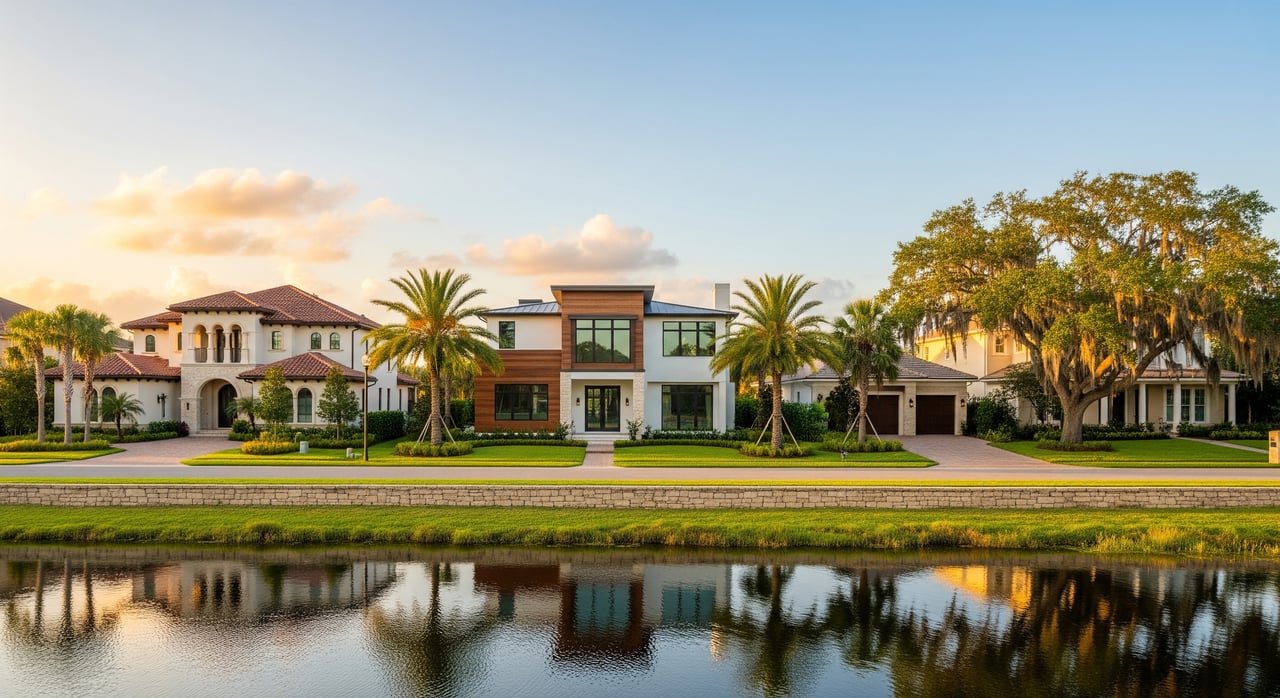
Trying to compare Lakewood Ranch villages and feeling overwhelmed by options? You are not alone. This master-planned community spans many distinct neighborhoods, each with its own housing types, amenities, and ownership costs. In this guide, you will learn how villages differ, what drives prices, how HOA and CDD fees work, and the key questions to ask on tours so you can find your best fit. Let’s dive in.
What sets villages apart
Lakewood Ranch villages vary by lifestyle focus, amenity level, and home styles. Some offer neighborhood pools and parks, while others center around golf or resort-style features. You will also see differences in governance and fees, such as village HOAs, the master association, and Community Development Districts (CDDs). These factors shape your monthly costs and day-to-day experience.
Below is a plain-language framework you can use to compare villages on your short list.
Village types at Lakewood Ranch
Amenity-rich suburban villages
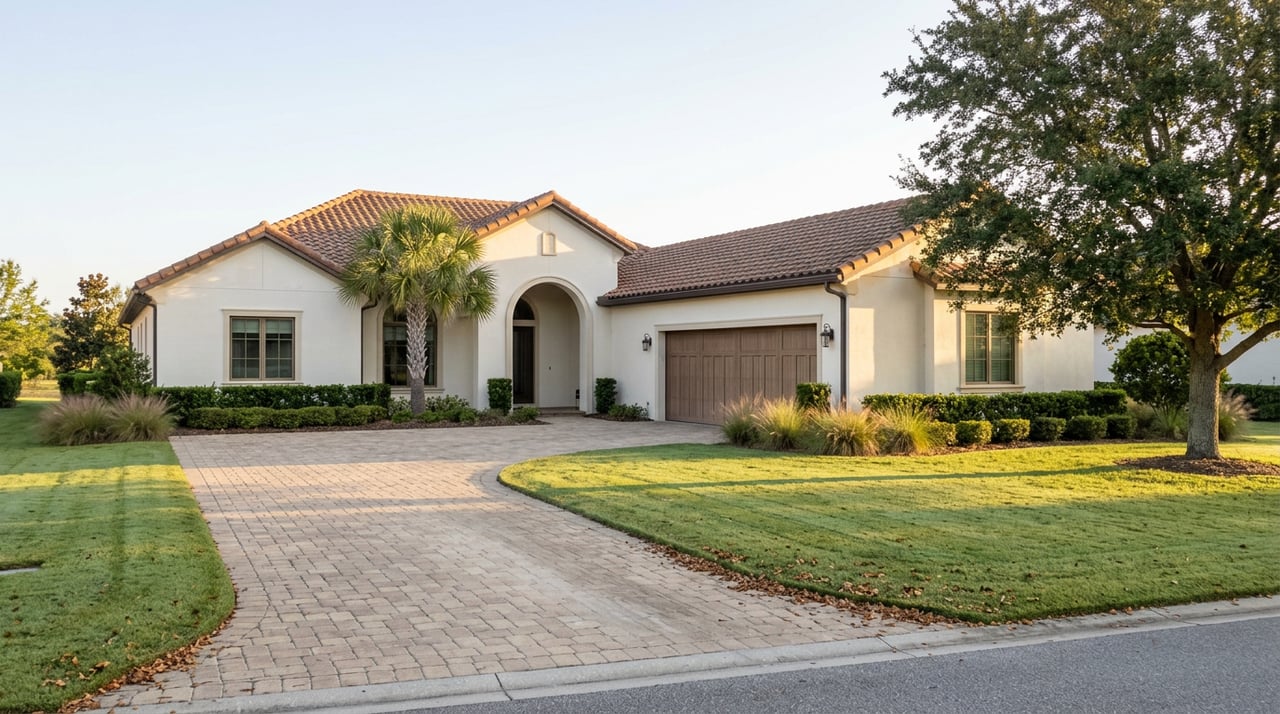
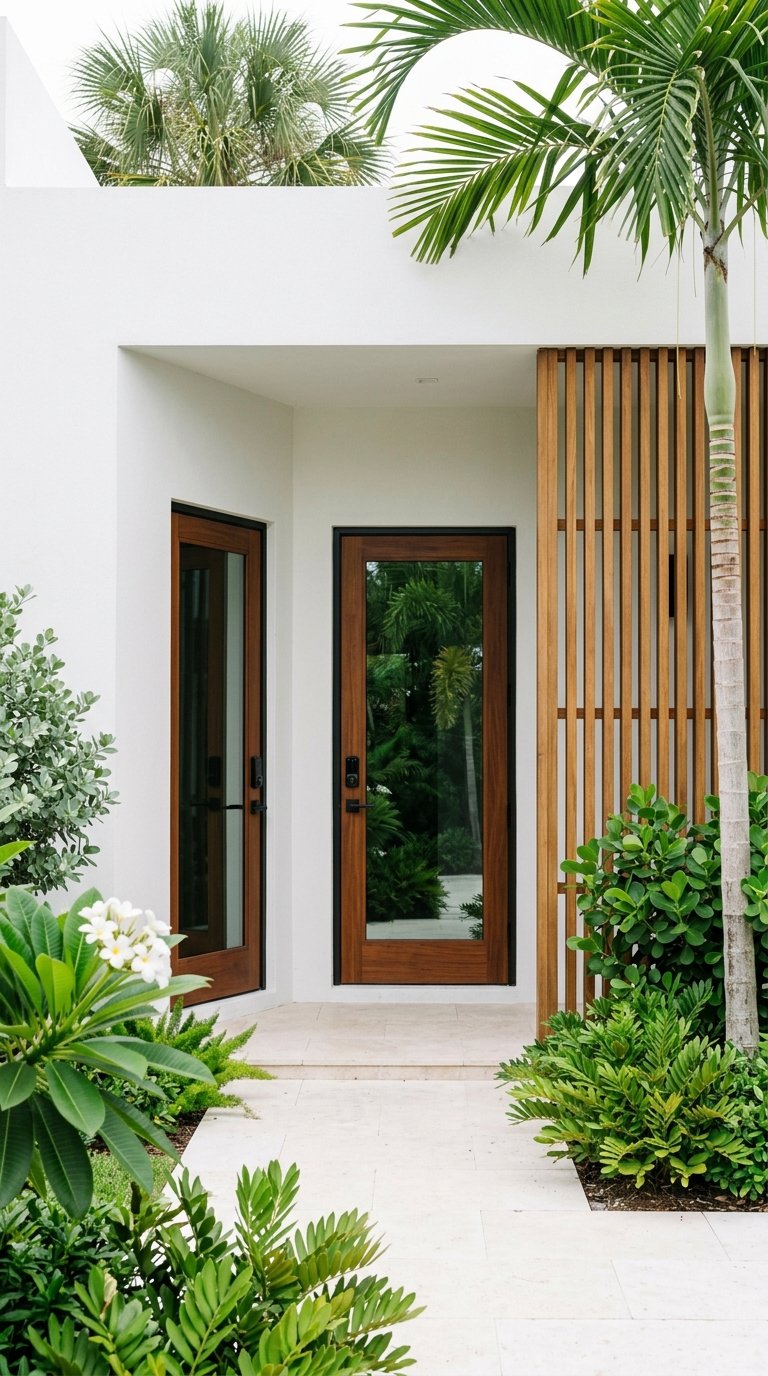
These neighborhoods offer a mix of single-family homes, paired villas, and townhomes with parks, playgrounds, pools, and trails. Streets typically include sidewalks and lot sizes in the small to medium range. Examples often described this way include areas such as Summerfield and Greenbrook, though boundaries and offerings vary by phase.
- Typical housing: 2–5 bedroom single-family, townhomes, and villas.
- Buyer profile: You want convenient amenities and proximity to area schools and retail.
- Typical prices: Entry townhomes and condos around $300k–$450k; smaller single-family about $450k–$700k; larger homes roughly $700k–$1.1M, depending on the market.
Golf and country-club communities
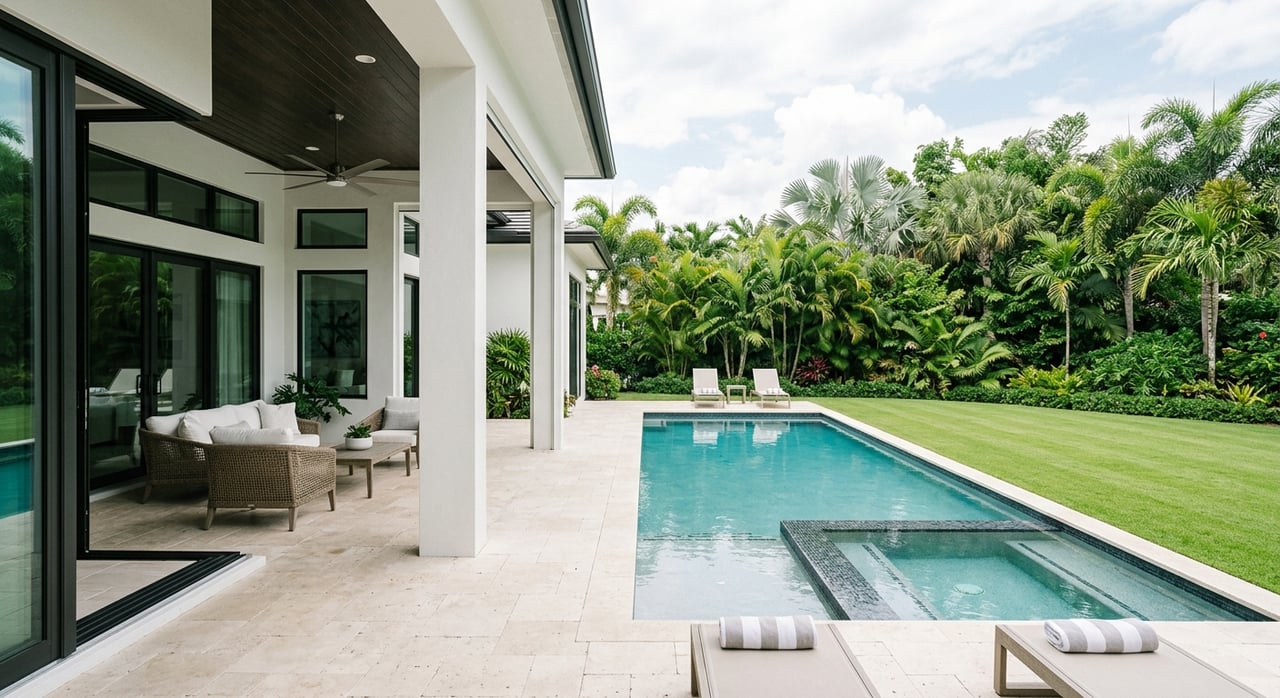
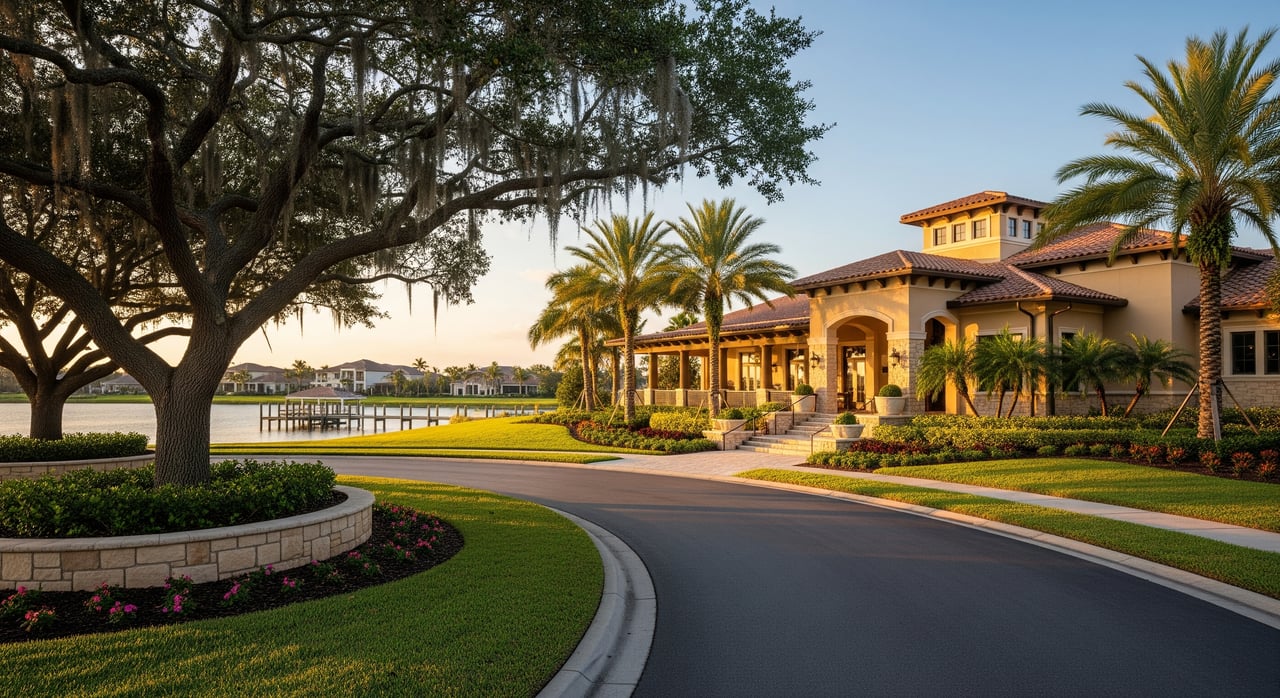
Villages built around golf courses often include gated access, on-site dining, tennis or pickleball, fitness, and a clubhouse. Membership may be optional or bundled, depending on the community. Examples commonly referenced include Lakewood Ranch Country Club, Lakewood National, and some areas associated with The Lake Club. Always confirm membership rules and fees for the specific property.
- Typical housing: Golf villas, larger single-family homes, and some condos.
- Buyer profile: You want on-course living and a resort-style amenity set.
- Typical prices: Villas and smaller single-family about $600k–$1.2M; golf-front and luxury single-family roughly $1M–$3M+, with exceptional estates above that.
Luxury gated and resort-style villages
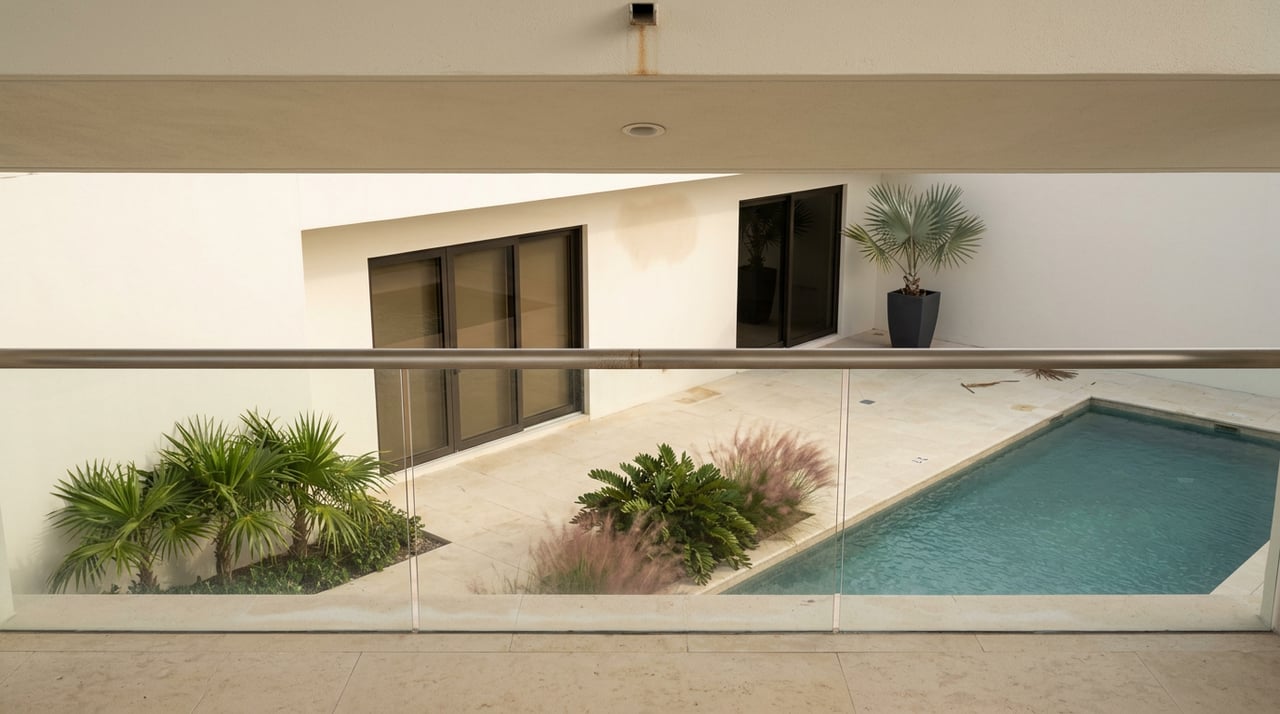
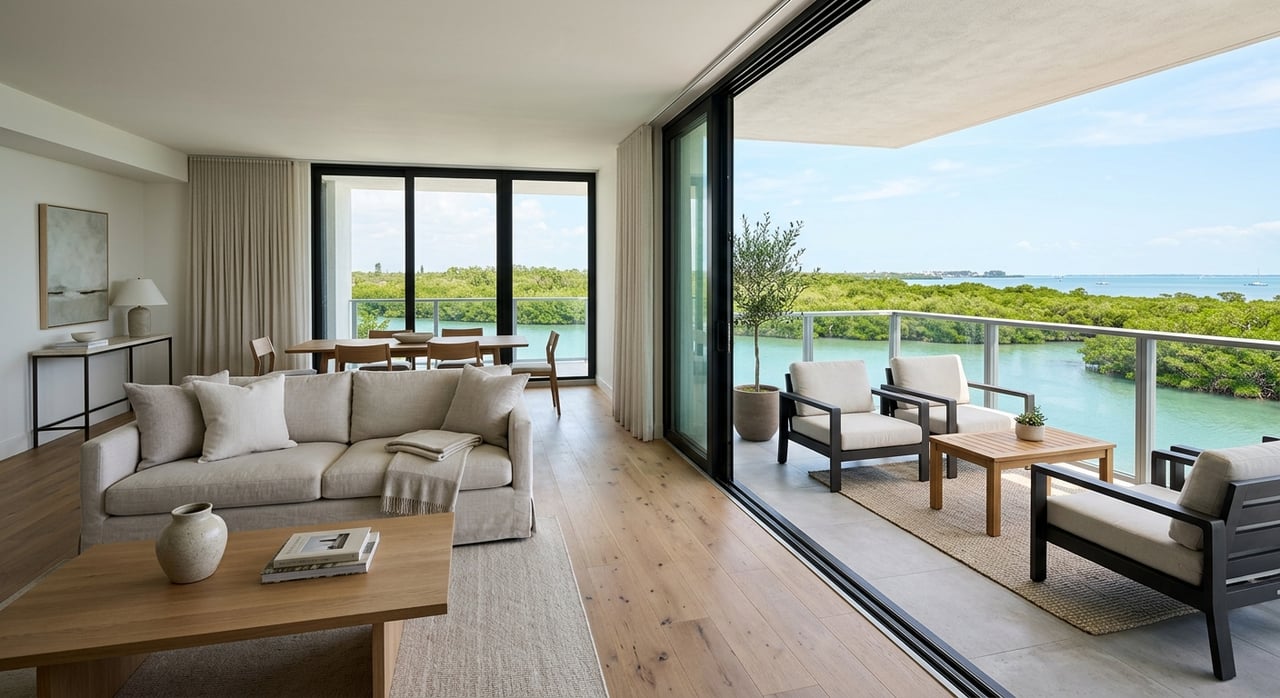
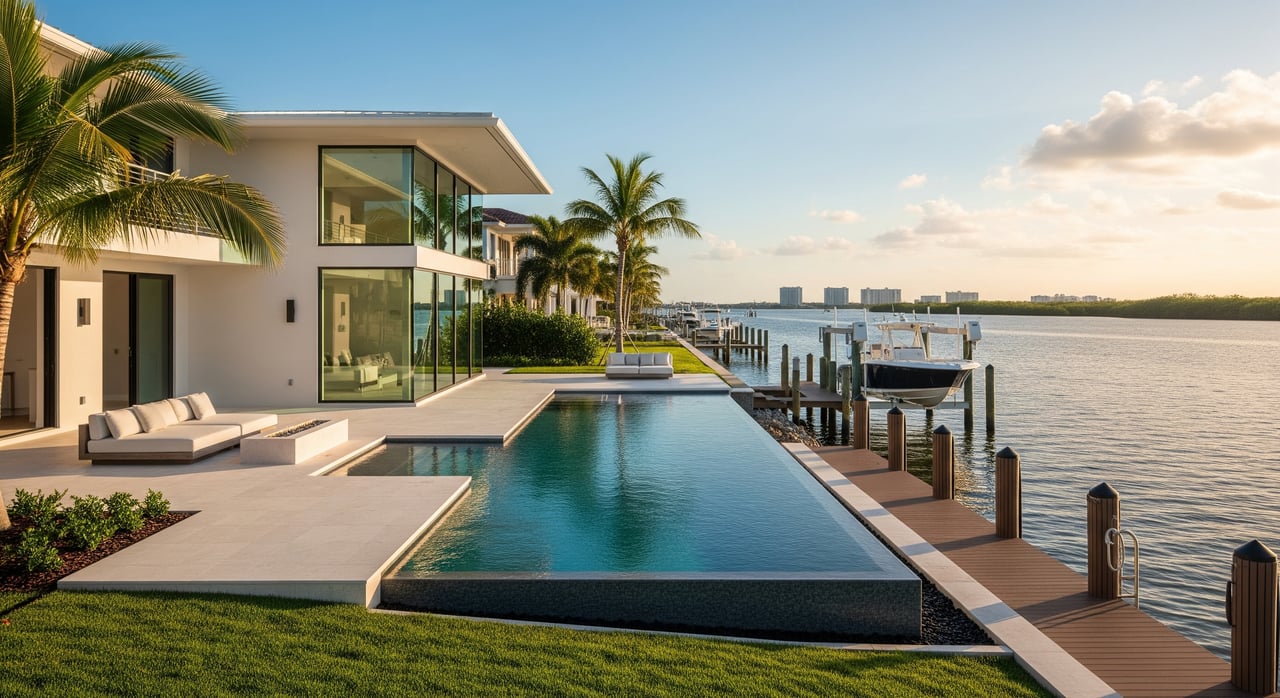
These enclaves tend to feature enhanced privacy, refined landscaping, and upgraded amenities like large clubhouse pools and concierge-style services. Some include waterfront or golf views, which can add premiums. Examples include certain Esplanade-branded or Waterside-adjacent luxury pockets. Offerings vary by phase and builder.
- Typical housing: Custom homes, estate lots, and select coach or carriage homes.
- Buyer profile: You value privacy, security, and high-end finishes.
- Typical prices: Around $1.2M to several million, based on lot type and finishes.
Active adult and 55+ communities
Age-restricted neighborhoods emphasize social programming, low-maintenance living, and club-style amenities. Del Webb at Lakewood Ranch is a well-known example in the area. Always verify current phases, HOA rules, and what services are included.
- Typical housing: Villas, townhomes, and single-family designs geared to easy maintenance.
- Buyer profile: You are 55+ and want an active, social lifestyle.
- Typical prices: Roughly $350k–$800k, depending on plan, lot, and whether you buy new or resale.
New-construction and attainable product
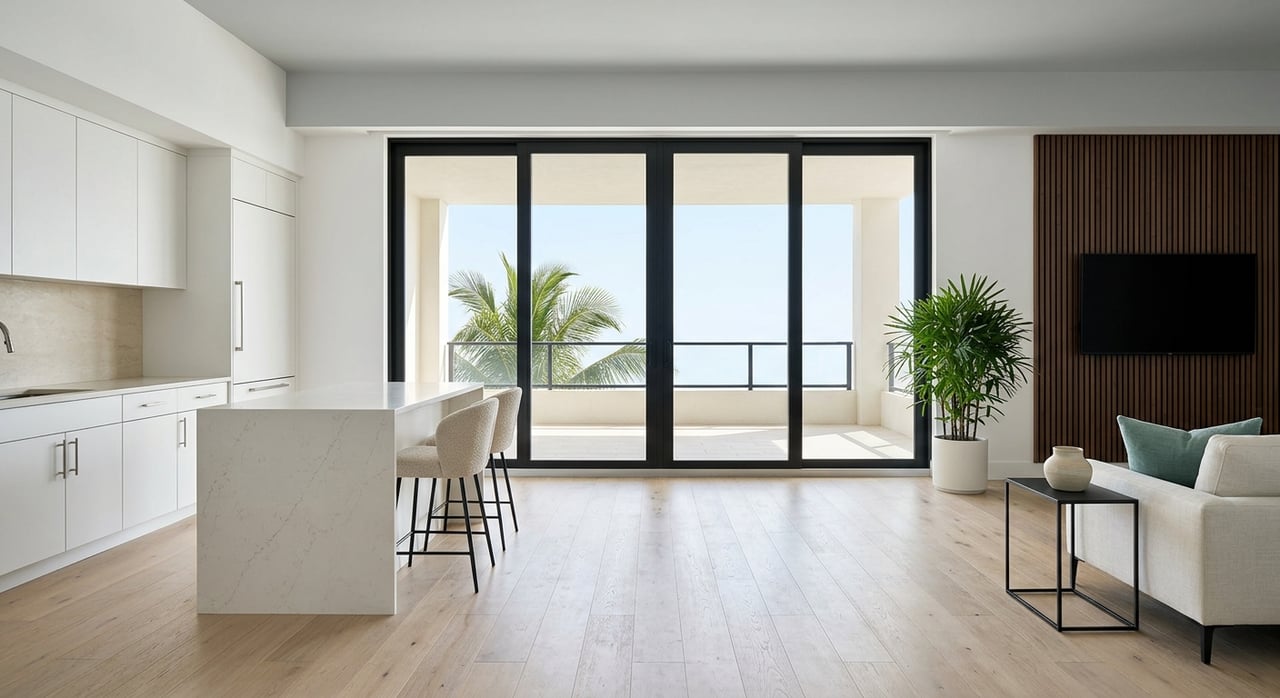
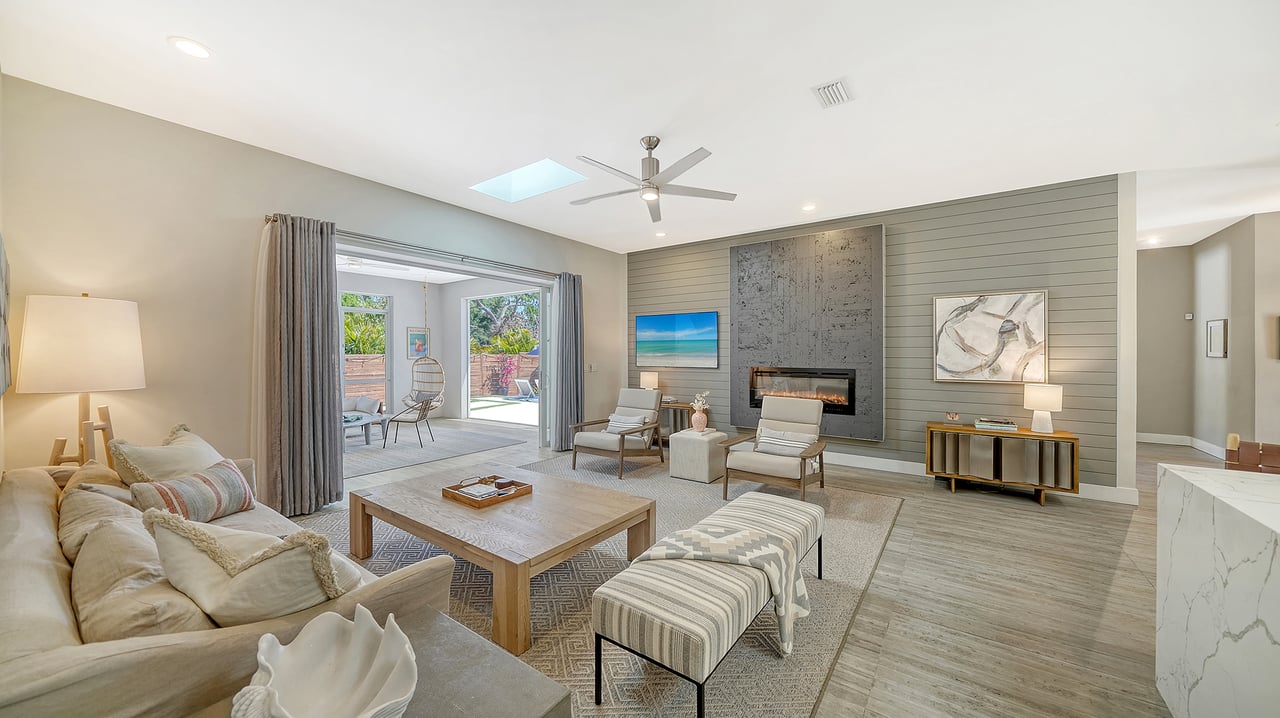
These builder-driven neighborhoods offer standardized floor plans, smaller yards, and model-home centers. They aim to provide a more accessible entry point into Lakewood Ranch while still delivering the benefits of a master-planned environment.
- Typical housing: Townhomes, smaller single-family plans, and attached villas.
- Buyer profile: You want new-build warranties and modern layouts.
- Typical prices: About $300k–$550k for many single-family or attached options.
Townhome, condo, and maintenance-provided areas
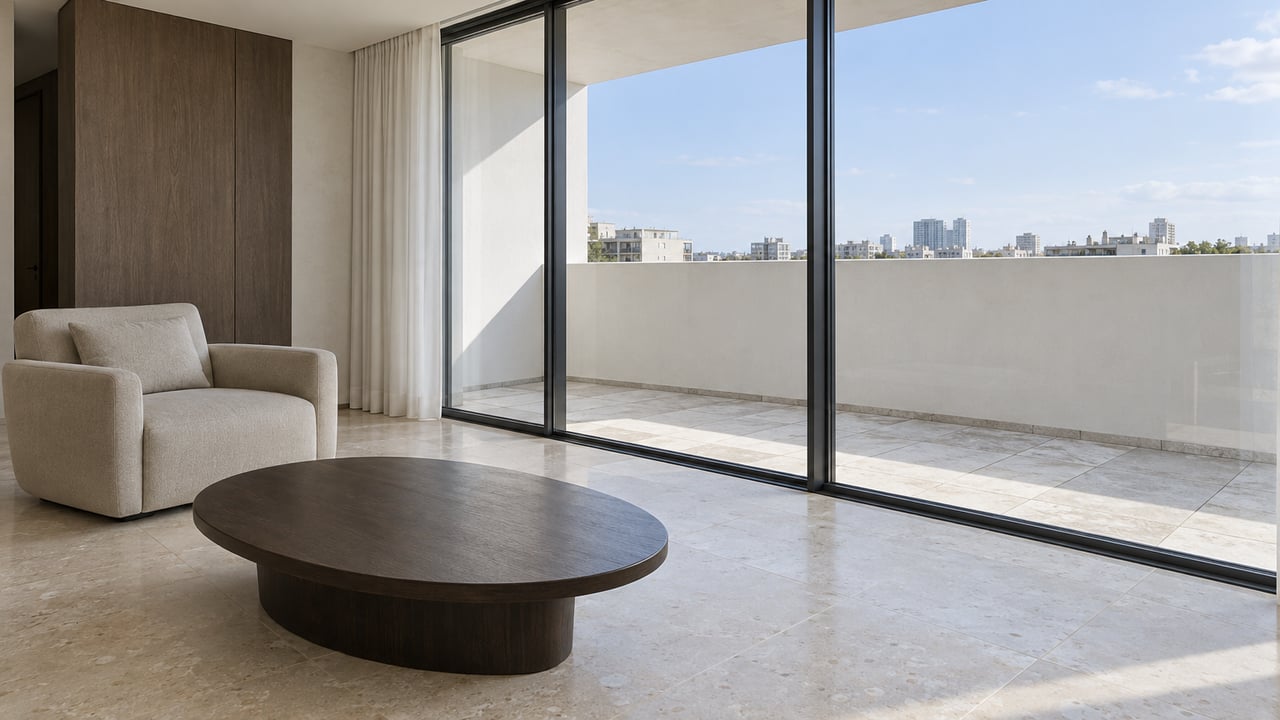
These neighborhoods are designed for low-maintenance living. Exterior upkeep is often handled by the HOA, which may include landscaping, roof or exterior maintenance, and common areas. This can be ideal if you prefer a lock-and-leave setup.
- Typical housing: Townhomes, stacked condos, and carriage homes.
- Buyer profile: You seek simplicity and lower maintenance responsibilities.
- Typical prices: Often $300k–$600k depending on size and finishes.
Amenities and lifestyle factors
Your day-to-day experience depends on the village amenity set and location within Lakewood Ranch. Consider the following:
- Community features: Pools, fitness centers, pickleball or tennis, playgrounds, dog parks, and event programming vary by village. Luxury enclaves can add private dining, concierge-style services, or enhanced clubhouse facilities.
- Access to retail and dining: Some villages are near mixed-use centers with shops and restaurants. Others are more residential, which may mean longer drives for errands.
- Outdoor and trails: Many parts of Lakewood Ranch connect to lakes, greenways, and walking or biking paths.
- Schools and childcare: Villages closer to the community core may have easier access to assigned public and private schools. Always verify current school assignments with the district.
HOA and CDD basics
Lakewood Ranch includes a master association, village-level HOAs, and in some cases separate amenity or club memberships. Many villages also sit within one or more Community Development Districts.
What is a CDD
A CDD is a special-purpose local government used in Florida to finance and maintain infrastructure in large master-planned communities. Property owners pay annual assessments, often on the tax bill, to repay bonds and fund ongoing maintenance. Florida Statutes, Chapter 190, provides the legal framework for CDDs.
Why it matters: CDD assessments are recurring and can be significant, especially in newer phases. They affect your total monthly cost and may factor into lender underwriting. Knowing the exact assessment for the specific lot or unit you are buying is essential.
Typical fees and what they include
- HOA dues: These vary by village and product type. Some HOA fees are modest and cover basic common-area maintenance. Others are higher and include exterior maintenance, reserves, security, or cable and internet packages. As a broad reference, monthly village-level HOA costs can range from about $50–$150 for basic setups to $300–$600+ for amenity-rich or maintenance-included homes. Always confirm the current schedule and inclusions.
- Master association: This may fund community-wide assets like lakes, trails, and landscaping standards. It is separate from village HOA dues.
- CDD assessments: Amounts differ by community and unit type. Many Florida CDDs range from several hundred to a few thousand dollars per year. Check the property’s tax bill or disclosure documents for the exact figure.
- Other charges: Ask about one-time transfer fees, capital contributions, and any special assessments. Review rental and pet policies as well as exterior maintenance responsibilities so there are no surprises.
Pricing and what drives premiums
Prices in Lakewood Ranch reflect a mix of lot, lifestyle, and product factors. Understanding these drivers helps you compare homes across villages.
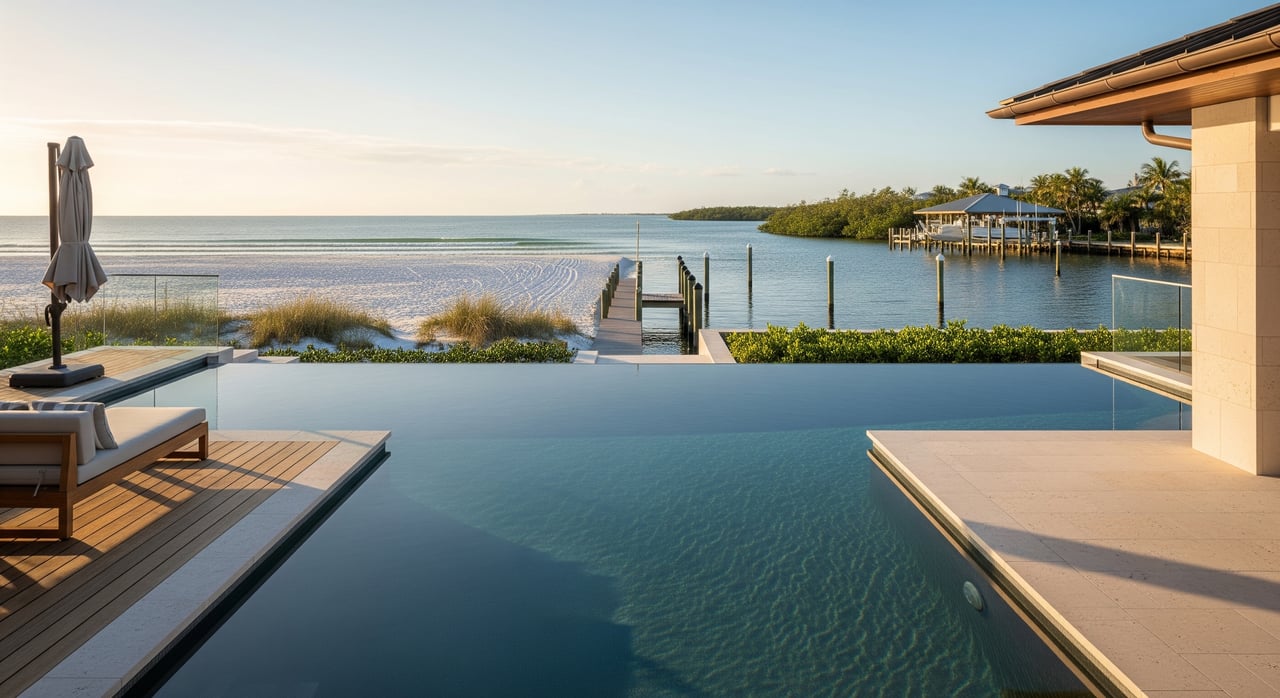
- Lot type and orientation: Water views, golf frontage, cul-de-sac or corner locations, and larger estate lots usually command premiums.
- Age-restricted design: 55+ communities often carry a premium for floor plans and amenities designed for low-maintenance living. Resale demand can be stable due to consistent buyer interest.
- New-build vs resale: New construction may cost more for warranties and modern finishes. Resales can offer value depending on updates and condition.
- Builder and quality: Custom or luxury builders and gated settings tend to increase pricing. National builders and standardized lines may be more attainable.
- Product type: Townhomes and condos typically list lower than single-family homes on total price, though price per square foot can vary.
Approximate tiers in the mid-2020s market include entry-level condos and townhomes around $300k–$450k, smaller single-family and villas roughly $450k–$700k, mid-range single-family in the $700k–$1.2M band, golf-front and upscale homes around $1M–$2.5M, and luxury estates from $2M to $6M+. Actual numbers change with supply, rates, and new phases.
Touring checklist and questions
Use this checklist when you tour multiple villages on the same day. It will help you compare apples to apples.
Governance and costs
- What is the monthly HOA fee and what does it include?
- Is there a separate master association fee?
- Is the property within a CDD? What is the current annual assessment and how is it billed?
- Are there current or upcoming special assessments?
- Are there one-time fees at closing, such as capital contributions or transfer fees?
Use and restrictions
- What are the rental rules and minimum lease terms?
- Are short-term rentals permitted?
- Are there pet limits or breed and size restrictions?
- Is the community age-restricted? What documentation is required?
Amenities, services, and maintenance
- Which amenities are included with HOA dues and which require a separate membership, such as golf?
- If exterior or lawn care is included, what tasks are covered and how often?
- Who insures and maintains roofs and exterior walls for condos or villas?
Property specifics and condition
- What do disclosures say about flooding, termites, or other known issues?
- When was the roof last replaced and are warranties transferable?
- Are there easements, conservation buffers, or planned development nearby?
- What are the lot lines, setbacks, and pool or expansion potential?
Neighborhood and future development
- Are there approved future phases or commercial projects that could change traffic or noise?
- What schools are currently assigned to the address, and are boundary changes expected?
Financing, taxes, and HOA documents
- Review HOA covenants, bylaws, budgets, financials, meeting minutes, and any reserve studies.
- Confirm annual property taxes and whether the property is homesteaded.
- Ask whether the HOA is in litigation.
Which village fits your goals
Use your lifestyle priorities to narrow the list.
- If you want walkable conveniences and neighborhood parks, focus on amenity-rich suburban villages with pools and playgrounds.
- If golf access and club life are top priorities, look at on-course communities and confirm membership options and costs.
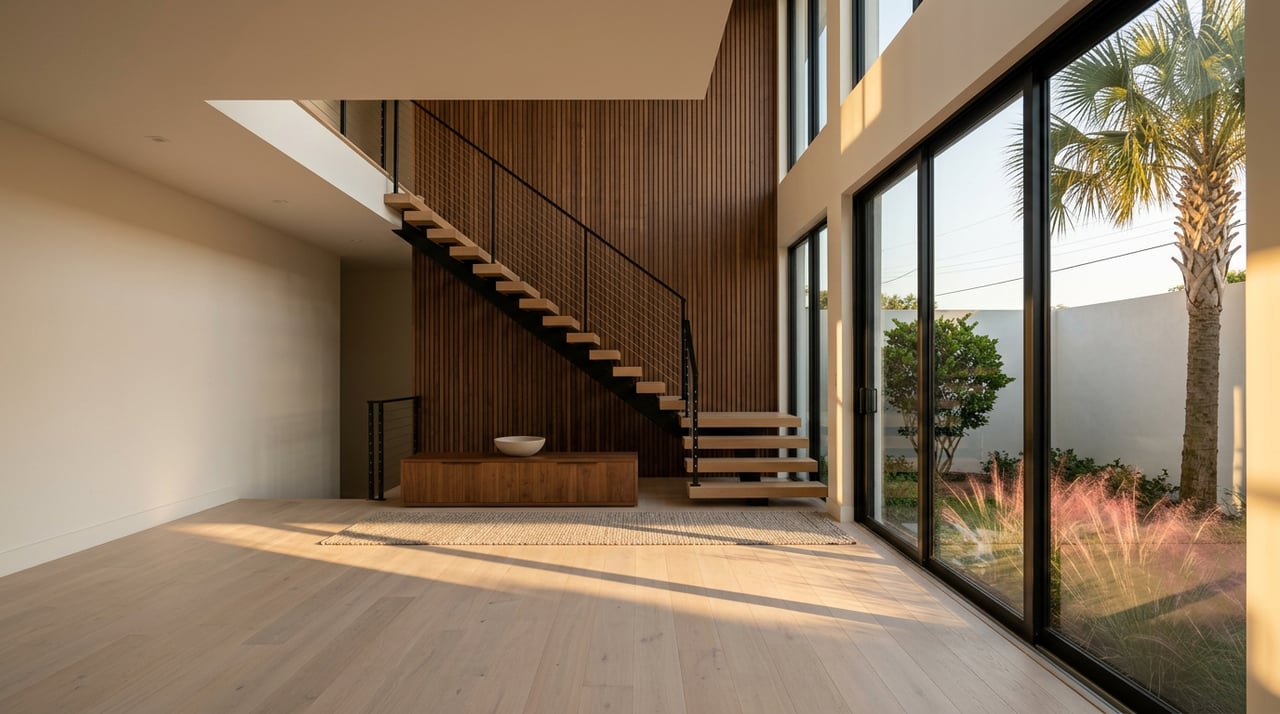
- If you value privacy and upgraded finishes, explore luxury gated enclaves with enhanced amenities.
- If you prefer low-maintenance and social programming, consider age-restricted 55+ neighborhoods.
- If new warranties and modern layouts matter most, include new-construction areas in your search.
- If lock-and-leave is key, prioritize townhome or condo communities with exterior maintenance included.
A clear wish list, paired with fee clarity and a location you like within Lakewood Ranch, will point you to the right village faster.
Get local guidance you can trust
Every village has its own fee structure, rules, and micro-market dynamics. A local expert can help you verify HOA and CDD amounts, compare recent sales, and weigh the tradeoffs between new and resale across neighborhoods. If you are touring from out of state, virtual previews and detailed cost breakdowns can keep you moving with confidence.
When you are ready to compare villages and homes that fit your lifestyle and budget, reach out to Kelly Rosenberg for a friendly, no-pressure consultation.
FAQs
What is a CDD in Lakewood Ranch and why does it matter
- A Community Development District funds and maintains community infrastructure through annual assessments on your tax bill. It affects your total monthly cost, so verify the exact amount for any property you consider.
How do HOA fees differ between Lakewood Ranch villages
- HOA dues vary by amenity level and product type. Some cover only common areas, while others include lawn, exterior maintenance, reserves, and even cable or internet. Always review the current fee schedule and inclusions.
Are golf memberships required in golf communities
- It depends on the village. Some communities bundle membership, others offer optional tiers, and a few have wait lists. Confirm membership rules and fees for the exact address.
What are typical home price ranges in Lakewood Ranch
- As a general framework, condos and townhomes often start near $300k, smaller single-family and villas around $450k–$700k, mid-range single-family $700k–$1.2M, and luxury or golf-front homes from $1M to several million, depending on lot and finishes.
How can I compare villages on one tour day
- Bring a checklist for fees, rules, amenities, and property condition. Ask about HOA and master association dues, CDD assessments, rental and pet policies, exterior maintenance coverage, and any planned development nearby.