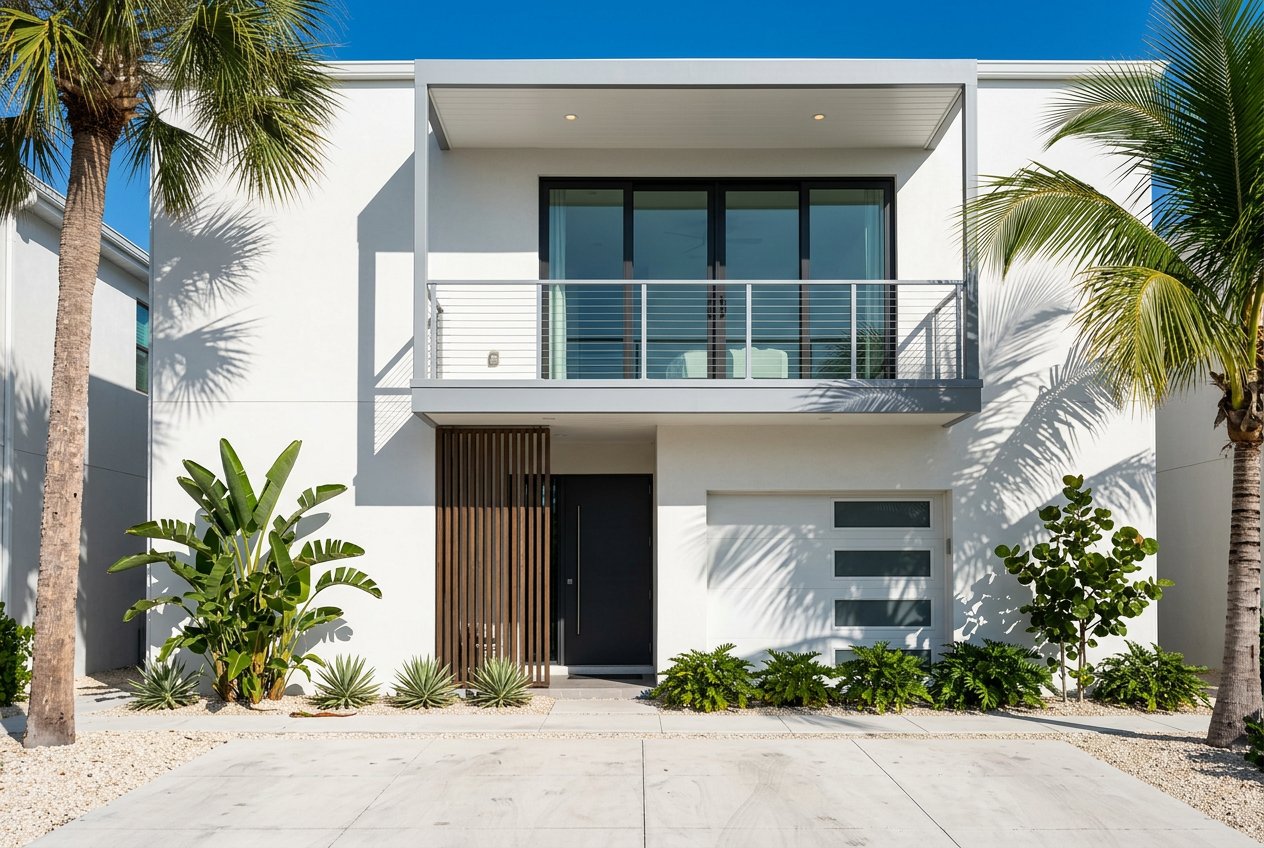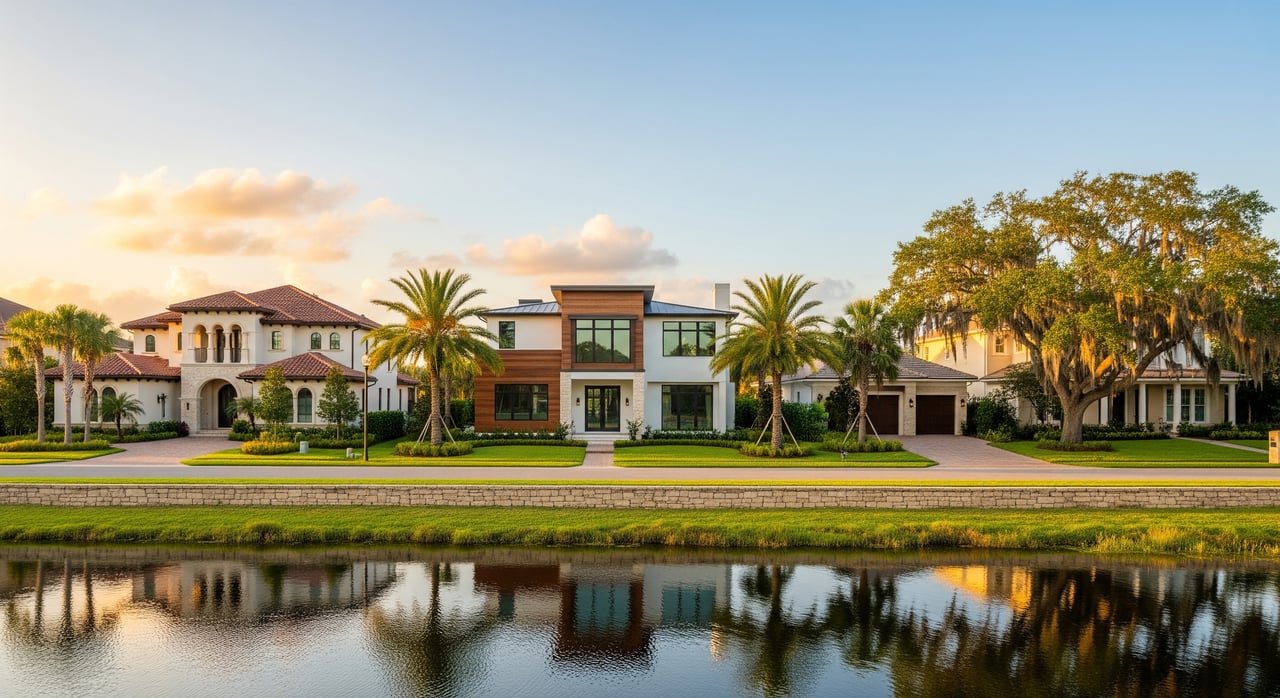
Wondering whether all the new homes in Lakewood Ranch make it harder to sell a resale home, or easier to find one that fits your needs? You are not alone. In a community this large and still growing, new construction does more than add inventory. It shapes pricing, buyer expectations, and how quickly homes move. If you are buying or selling in Lakewood Ranch, understanding that relationship can help you make a smarter decision. Let’s dive in.
Lakewood Ranch Is Still Growing
Lakewood Ranch is not a finished neighborhood. It is a large master-planned community that spans about 55 square miles, and 19 of its 36 villages are still actively selling new-construction homes.
That scale matters. The community was entitled for 48,829 for-sale and rental units, and as of March 31, 2025, it was 66% sold or leased. Roughly 50,000 households have already been sold or leased, but there is still room for additional phases and villages.
This ongoing pipeline keeps new construction front and center in the local market. In early 2026, Lakewood Ranch reported that it had ranked No. 1 among U.S. multigenerational master-planned communities for eight straight years and had averaged more than 2,000 new-home sales annually.
Builders are not just selling leftover inventory from past years. New projects are still being announced, including Esplanade at Cammaray, a 1,200-home development with sales expected to begin in early 2027.
Why New Construction Affects Resales
When buyers shop in Lakewood Ranch, they usually are not comparing one home in isolation. They are comparing a resale home against builder homes that may offer a similar size, layout, or lifestyle at a comparable price point.
That creates direct competition, especially in segments where several builders are actively selling. If a buyer can choose between a resale and a newly built home nearby, the resale often has to stand out in a specific way.
Most often, that edge comes from one of four things:
- Better condition or thoughtful updates
- A more desirable lot or view
- A location in an established village
- A faster or more convenient move-in timeline
In plain terms, new construction can put a ceiling on resale pricing for directly comparable homes. That does not mean resale homes lose value across the board. It means buyers have more choices, so pricing and presentation matter more.
Builder Incentives Change the Math
One of the biggest reasons new construction has such a strong effect on resale homes is builder incentives. In Lakewood Ranch, current official builder offers include closing-cost assistance, rate promotions, flex cash, appliances, and HOA-dues credits on select homes.
Those incentives can shrink the real-world price gap between a builder home and a resale. A resale may have a similar list price, but if the builder is helping lower upfront or monthly costs, a buyer may view the new home as the better value.
Lakewood Ranch reported 613 new-home sales in the first quarter of 2025, and new homes accounted for 66% of total sales during that period. The community also noted that rate buydowns and closing-cost assistance were helping buyers choose new construction.
This is why sellers need to look beyond headline list prices. Buyers often compare the full monthly and upfront cost, not just the sticker price.
Price Range Matters in Lakewood Ranch
Lakewood Ranch has a broad product mix, which increases competition across multiple price points. Official community pages show entry points from the low $300,000s for some townhomes, with single-family options in the low $400,000s, mid-range homes in the $400,000s and $500,000s, and higher-end offerings from the $700,000s to $1 million and above.
That wide range matters because it gives buyers choices. In communities like Star Farms, for example, product spans from the high $300,000s into the $800,000s and higher depending on the home type.
The impact on resale tends to be strongest where homes are easiest to compare side by side. That usually means attached homes and mid-range single-family homes, where buyers may find several active alternatives with modern finishes and builder promotions.
At the upper end of the market, resale homes can be somewhat more insulated. Buyers in that range may place more value on lot size, water or preserve views, architectural character, or a location in an established village.
The Resale Market Has More Competition Now
The resale market in Lakewood Ranch is still active, but it is operating in a more balanced environment than during the hottest market years. Recent housing snapshots place Lakewood Ranch home values in the low-to-mid $600,000s in spring 2026.
Redfin reported a median sale price of about $619,000 over the prior three months, with homes selling in around 51 days. Realtor.com showed roughly 1,300 homes for sale, a median listing price of $638,900, median days on market of 61, and a sale-to-list ratio of 97%.
These sources use different data sets and time windows, so it is best to read them as a range instead of a single exact figure. Even so, the direction is clear. Buyers have more choices, and sellers cannot assume their home will sell quickly at any price.
The broader Manatee County market shows a similar shift. In the year-end 2025 single-family report, the county posted 7,521 sales, a median sale price of $475,000, 2,687 active listings, 4.3 months of supply, a median time to sale of 104 days, and sellers receiving a median of 94.6% of original list price.
What Buyers Should Compare
If you are buying in Lakewood Ranch, the smartest move is to compare new construction and resale homes on an apples-to-apples basis. Looking only at list price can lead you to the wrong conclusion.
Instead, compare:
- Base price versus final purchase price
- Builder incentives versus seller concessions
- HOA or Stewardship-related costs
- County location within Lakewood Ranch
- Estimated close date and move-in timing
- Lot, view, and location within the village
That last point matters more than many buyers expect. Lakewood Ranch notes that villages north of University Parkway are generally in Manatee County, while villages south of University Parkway are generally in Sarasota County. County location can affect taxes and school assignments, so it is worth checking village-specific details before you decide.
You should also compare ongoing monthly costs. Lakewood Ranch states that HOA fees can range from $100 to $800 per month, with most falling between $200 and $300, and those fees generally cover amenities and some maintenance.
What Sellers Need to Know
If you are selling a resale home in Lakewood Ranch, your real competition may not be the home down the street that went under contract last month. It may be the active builder inventory a buyer is touring today.
That means pricing should be based on nearby alternatives, not just on broad community averages. A well-maintained, move-in ready home is typically in a stronger position than one that needs cosmetic work, especially when a builder is offering financing help or other perks.
To compete well, focus on the features a builder cannot easily replicate right away:
- An established setting or mature landscaping
- A premium lot, view, or privacy
- Completed upgrades and window treatments
- Immediate availability
- A cleaner, simpler decision process for the buyer
Presentation also matters. In a market with more options, buyers tend to be more selective. Professional photography, strong marketing, and careful pricing become even more important when your home is being compared to polished model homes and spec inventory.
Lakewood Ranch Is Not One Market
One of the most important things to understand is that Lakewood Ranch does not behave like a single, uniform market. It includes multiple villages, a wide range of price points, and homes that appeal to different buyer priorities.
The Realtor Association of Sarasota and Manatee has noted that Sarasota and Manatee counties include multiple markets, including differences between resale inventory and new construction. That makes broad averages less useful than local, segment-by-segment analysis.
In practical terms, a townhome competing with current builder inventory is in a different market position than a luxury resale on a premium lot in an established section of Lakewood Ranch. Both are part of the same master-planned community, but they may face very different buyer behavior.
This is one reason local guidance matters. A buyer or seller who understands the submarket, the closest builder competition, and the current incentive landscape is in a better position to act with confidence.
The Big Picture for Buyers and Sellers
New construction does not automatically hurt the Lakewood Ranch resale market. It adds competition, especially in directly comparable segments, but it also keeps Lakewood Ranch highly visible to buyers and supports ongoing demand for the community.
Lakewood Ranch also describes itself as a primary-home community, where most residents live year-round rather than seasonally. That steady resident base can help support absorption even while new phases continue to come online.
For buyers, this means more choice and more opportunities to compare value. For sellers, it means success depends on sharper pricing, stronger presentation, and a clear understanding of how your home stacks up against nearby new construction.
Whether you are evaluating a builder purchase, pricing a resale, or comparing villages within Lakewood Ranch, the details matter. If you want clear guidance tailored to your goals in Lakewood Ranch and the surrounding Sarasota-Manatee market, connect with Kelly Rosenberg for a personalized consultation.
FAQs
How does new construction affect Lakewood Ranch resale prices?
- New construction mostly adds competition for directly comparable resale homes, especially when builders are offering incentives that improve a buyer’s total cost.
Is there still lower-priced new construction in Lakewood Ranch?
- Yes. Official Lakewood Ranch pages show some townhome options starting in the low $300,000s, with pricing that extends into the $1 million-plus range depending on village and product type.
Why should Lakewood Ranch buyers compare monthly costs?
- Buyers should compare monthly costs because HOA fees vary by village, builder incentives can change financing costs, and total payment often matters more than list price alone.
Why does county location matter in Lakewood Ranch?
- County location matters because Lakewood Ranch spans both Manatee and Sarasota counties, and that can affect taxes and school assignments depending on the village.
What is the biggest seller takeaway for Lakewood Ranch resales?
- The biggest takeaway is to compare your home against the nearest active builder product, including incentives, condition, location, and total buyer cost, rather than relying only on broad market averages.
Is Lakewood Ranch one resale market?
- No. Lakewood Ranch includes different villages, price points, and buyer segments, so conditions can vary meaningfully from one part of the community to another.