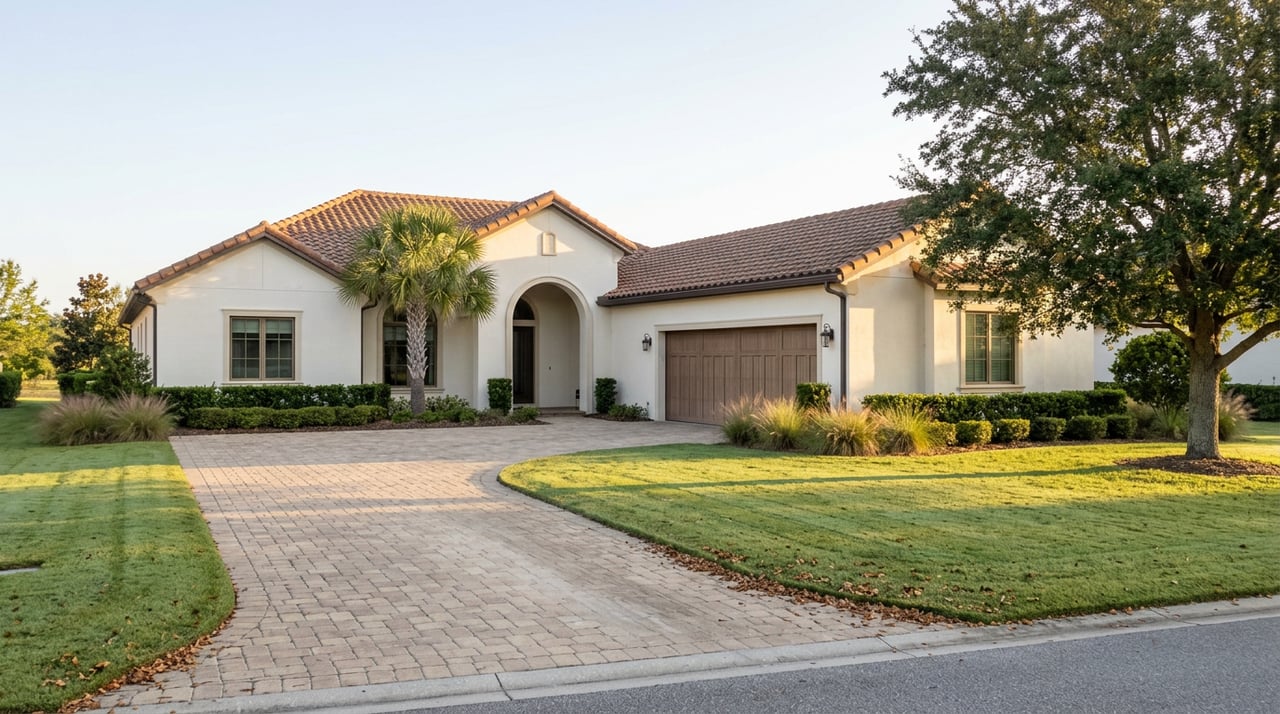
If you price your Lakewood Ranch home the same way you would price a home in a typical subdivision, you could miss the mark. Buyers in this master-planned community often compare more than square footage and bedroom count. They also weigh village location, amenities, maintenance, and monthly carrying costs. That is why smart pricing starts with a more detailed view of the Ranch. Let’s dive in.
Why Lakewood Ranch pricing is different
Lakewood Ranch is a 35,000-plus-acre master-planned community spread across Manatee and Sarasota counties, with 36 villages, more than 74,000 residents, 13 parks, and over 150 miles of trails. It also remains an active new-construction market, with 19 of the 36 villages still selling new homes. That mix creates more pricing layers than you might see in a single older neighborhood.
Your home is not competing with every home in Lakewood Ranch. In most cases, it is competing with homes in your village or in a very similar village with a comparable lifestyle offering. That is an important distinction because buyers often narrow their search based on amenities, maintenance level, age restrictions, and village setting.
Start with village-level comparisons
Lakewood Ranch is not one uniform market. The community’s design connects homes to town centers, recreation, healthcare, natural areas, and village amenities, so pricing usually works best at the village level rather than the broader community level.
That means the most useful comparable sales are usually recent sales in your same village, or in villages that closely match your home type and buyer appeal. If your home is in Manatee County, that county placement matters too, since Lakewood Ranch spans two counties and taxes and district assessments are collected through county property tax bills.
Why broad averages can mislead
Public market snapshots can help with general context, but they should not set your list price by themselves. Recent data shows Lakewood Ranch in the mid-$600,000s, with Redfin reporting a May 2026 median sale price of $616,131, median days on market of 49, and a 96.7% sale-to-list ratio. Realtor.com showed a March 2026 median listing price of $638,900, median days on market of 61, and a 97% sale-to-list ratio.
Those numbers show the market is active, but they do not tell the whole story for your specific home. A maintenance-included villa, a golf-oriented single-family home, and a townhome near current builder inventory can attract very different buyers and price differently.
Home type shapes buyer expectations
Lakewood Ranch includes condos, townhomes, attached villas, and single-family homes. Buyers usually compare within those categories first, which means your pricing strategy should reflect the type of home you own.
A buyer looking at a townhome may also compare builder communities offering new attached homes. A buyer shopping for a single-family home may focus more on lot position, upgrades, and village amenity package. Even within the same price range, different home types can create different expectations about privacy, maintenance, and lifestyle.
Maintenance included can change the price story
Some Lakewood Ranch buyers are focused on convenience as much as the home itself. If your HOA fee covers items like lawn care, irrigation, or shared amenities, that can change how buyers perceive value.
For example, official village pages show a clear spread in HOA costs. Star Farms advertises HOA fees from $250 to $360 per month, Solera lists about $269 to $274 per month, and The Isles lists $635 per month with maintenance included. A higher monthly fee does not automatically reduce value if it also reduces upkeep and adds amenities that matter to your buyer pool.
Monthly cost matters as much as list price
One of the biggest pricing mistakes in planned communities is focusing only on headline sale price. Many buyers look at the full monthly carrying cost, not just what they pay to purchase the home.
In Lakewood Ranch, every village has HOA fees. The community FAQ says most fall between $200 and $300 per month, with a broader published range of about $100 to $800 per month. What those fees cover varies by village, so your pricing needs to account for what a buyer receives in return.
Understand the Stewardship District fee
Lakewood Ranch uses the term Stewardship District fee for community infrastructure and related assessments. According to the official district guide, this special-purpose district plans, funds, builds, and maintains infrastructure, amenities, and natural features.
The guide also explains that capital bond assessments are fixed, while operations and maintenance assessments can vary annually. These assessments are collected on property tax bills in Manatee and Sarasota counties. When buyers compare two homes with similar asking prices, these added costs can influence which property feels more affordable.
Amenities affect your buyer pool
Lakewood Ranch buyers often shop by lifestyle. The Home Finder allows searches based on clubhouse, pool, fitness center, lifestyle director, dog park, tot lot, golf, tennis, pickleball, bar or restaurant, 55+ age restriction, maintenance included, and gated status.
That tells you something important as a seller. Your home’s amenity profile does not just support value. It also defines who is most likely to see your home as a fit.
Golf is its own pricing lane
Golf access is not the same across Lakewood Ranch. The community FAQ says there are ten golf courses total, including one members-only course, four exclusive to Lakewood Ranch Golf & Country Club, and four inside individual villages where access is tied to HOA fees.
That means a home in a golf-oriented village is usually not priced the same way as a similar home in a non-golf setting. If your home appeals to buyers who prioritize golf access or golf-adjacent living, that should be reflected in how comps are selected and how the home is positioned in the market.
Lot position can create meaningful differences
Even when two homes share the same floor plan, they may not carry the same value. Lakewood Ranch is built around lakes, green space, trails, golf, and village-level gathering spaces, so lot setting can shape buyer interest.
A quieter street, a more open view, or easier access to amenities may make one home stand out over another. There is no published premium chart covering every lot feature, but the structure of the community suggests that location within the village can matter just as much as the model itself.
New construction can pressure resale pricing
One of the most important realities in Lakewood Ranch is ongoing builder competition. With 19 villages still actively selling new homes, your resale listing may be competing against brand-new inventory with current promotions.
That competition can affect how buyers judge your asking price. If a builder is offering incentives, buyers may compare your resale not just to the base price of a new home, but to the effective deal after rate or closing-cost offers.
Base price is not the whole picture
Lakewood Ranch’s official materials note that posted builder prices may not include lot premiums, upgrades, or options. That means a builder’s advertised base price is not always a fair one-to-one comparison with a finished resale home.
Still, buyers will notice the advertised numbers first. That is why pricing your home requires a close look at what nearby new construction really offers, what it truly costs when fully outfitted, and where your resale may offer an advantage in timing, finishes, or lot placement.
What a smart pricing analysis should include
A strong Lakewood Ranch pricing strategy should go beyond price per square foot. It should compare recent sales in your village, or in closely similar villages, and then adjust for the details buyers actually use when making decisions.
That usually includes:
- Home type
- Size and layout
- Village location
- County location when relevant
- Age restriction, if applicable
- Maintenance-included status
- HOA fees
- Stewardship District assessments
- Amenity profile
- Lot position
- Nearby new-construction competition
When these factors are reviewed together, your list price is more likely to reflect how buyers actually shop in Lakewood Ranch.
Pricing for attention and negotiation
Current market data suggests buyers are negotiating. With recent sale-to-list ratios around 96.7% to 97% and median days on market ranging from 49 to 61 days in public snapshots, pricing too high can reduce early momentum.
In a planned community with many options, buyers can move on quickly when a home feels overpriced for its village, fee structure, or amenity mix. A well-priced home gives you a better chance to attract serious attention early, support stronger negotiations, and avoid chasing the market with reductions.
Why local guidance matters here
Lakewood Ranch has depth, variety, and ongoing new-home activity. That is good news for sellers, but it also means pricing is rarely simple. The right number usually comes from understanding your village, your competition, your monthly cost profile, and the lifestyle your home offers.
If you are thinking about selling, a personalized pricing review can help you see how your home fits into today’s Lakewood Ranch market. For a tailored valuation and a thoughtful strategy built around your specific property, connect with Kelly Rosenberg.
FAQs
How should you price a home in Lakewood Ranch?
- You should usually price a Lakewood Ranch home using recent sales in the same village or in closely similar villages, while adjusting for home type, amenities, fees, lot position, and new-construction competition.
Why do HOA fees matter when pricing a Lakewood Ranch home?
- HOA fees matter because buyers often compare total monthly carrying cost, not just purchase price, and village fees in Lakewood Ranch vary widely based on amenities and maintenance.
What is the Stewardship District fee in Lakewood Ranch?
- The Stewardship District fee is an assessment collected on property tax bills that helps fund and maintain infrastructure, amenities, and natural features, with some portions fixed and others able to change annually.
Does new construction affect resale home prices in Lakewood Ranch?
- Yes. With 19 Lakewood Ranch villages actively selling new homes, builder pricing and incentives can influence how buyers compare your resale home and what they expect in value.
Do golf homes in Lakewood Ranch price differently?
- Often, yes. Golf access is not uniform across Lakewood Ranch, so homes in golf-oriented villages or near golf amenities may compete in a different pricing segment than similar homes elsewhere in the community.
Why is village-level pricing important in Lakewood Ranch?
- Village-level pricing is important because Lakewood Ranch includes many distinct villages with different home types, fee structures, amenities, and buyer appeal, so community-wide averages can be too broad to be accurate.