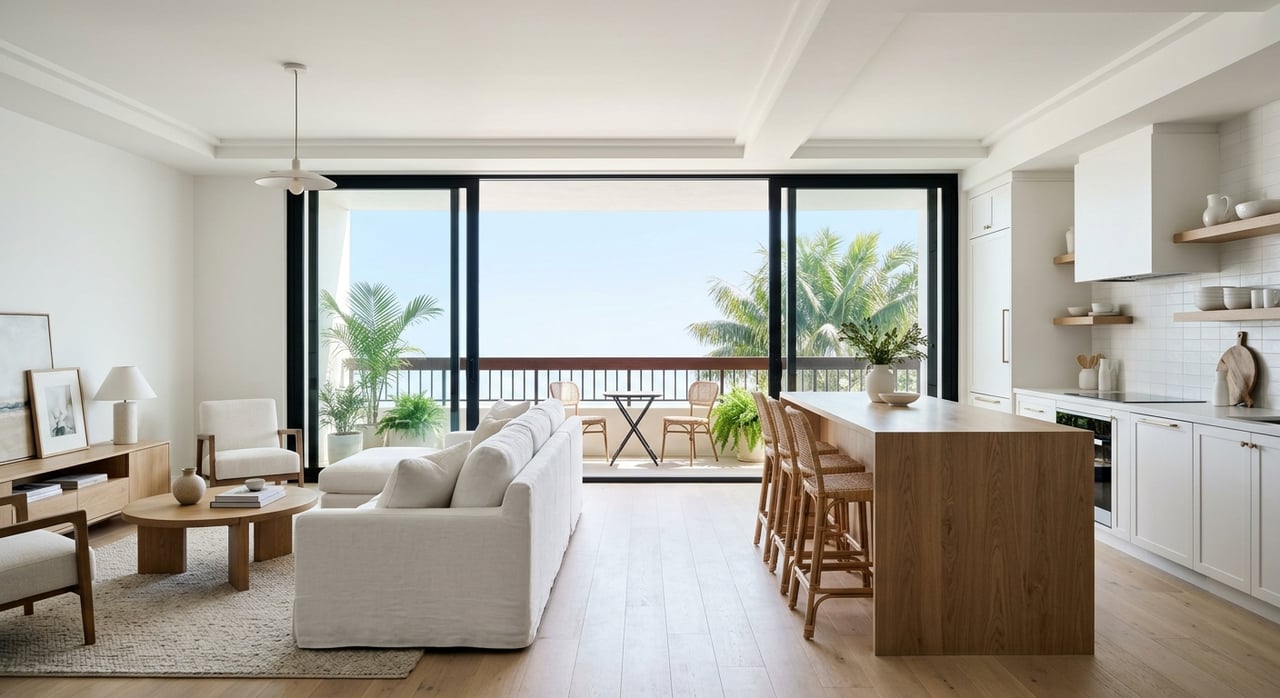
Thinking about a downtown Sarasota condo? It can be an exciting move, but it is not the right fit for everyone. If you are drawn to walkability, bayfront access, and a more urban routine, downtown may check a lot of boxes. If you want more space, fewer rules, or easier everyday parking, you may want to look more carefully before you buy. Let’s dive in.
Downtown Sarasota Lifestyle
Downtown Sarasota feels more like a compact urban core than a spread-out residential area. The Downtown Improvement District covers about 84 acres and includes 941 housing units and 634 businesses, which helps explain why the area feels active and city-like.
If you like the idea of stepping out your front door and being close to daily conveniences, this setting can be very appealing. The city describes downtown as a center of walkability, with businesses, parks, museums, galleries, shows, and the opera all part of the mix.
That walk-first lifestyle is also being reinforced by ongoing public improvements. Current Downtown Improvement District work includes attention to pedestrian safety, crosswalks, sidewalks, and Main Street improvements.
Bayfront and Culture Nearby
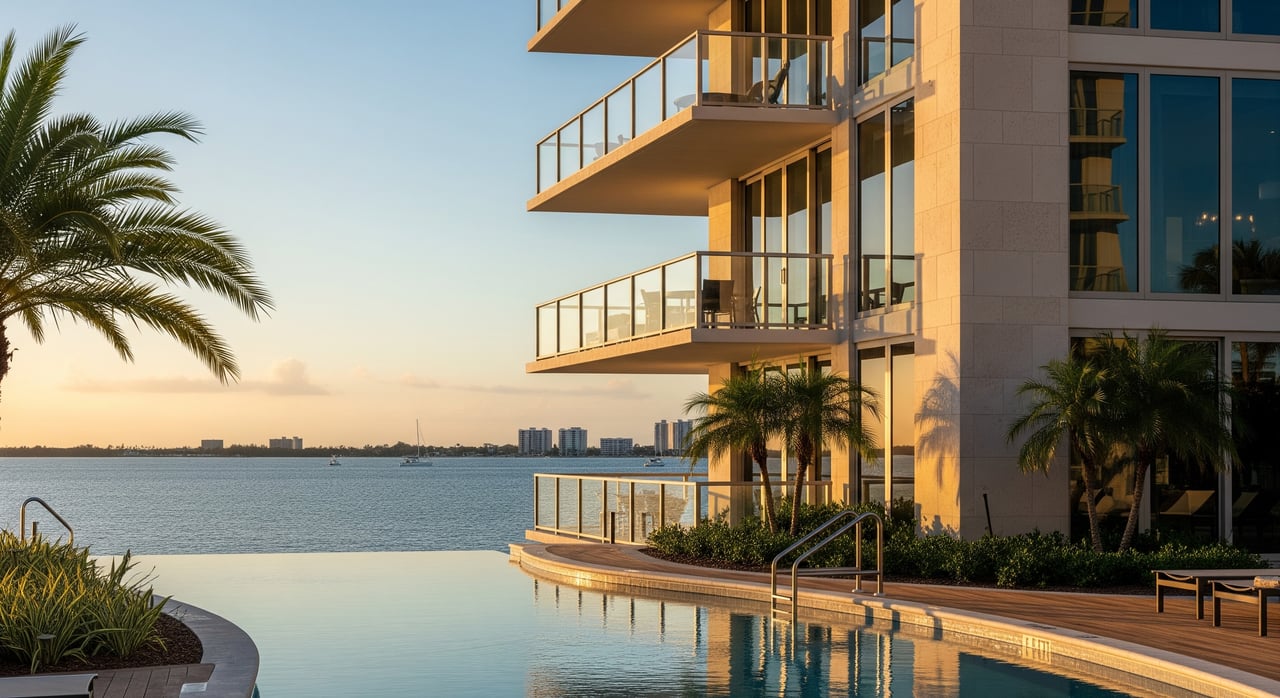
One of downtown Sarasota’s biggest strengths is how much it packs into a small area. You have bayfront access, public green space, and cultural destinations all close together, which gives condo living here a lifestyle edge.
Marie Selby Botanical Gardens’ downtown campus sits on Sarasota Bay and spans 15 acres. The Bay adds another major public amenity, with 53 acres, free programs, and ADA-accessible paths. Phase 2 of The Bay is underway and expected to be completed in 2026.
Downtown also stays active with events and programming. Fresh Fridays: Arts on Palm and the Downtown Sarasota Festival of the Arts help keep the area lively throughout the year.
Beach Access Without Island Living
A downtown condo does not put you on the islands, but it can still keep you connected to that lifestyle. The city’s Bay Runner trolley offers complimentary service between downtown, St. Armands Circle, and Lido Key seven days a week until midnight.
For many buyers, that matters. You can enjoy a more walkable mainland location while still having a simple connection to beach and shopping destinations.
Condo Costs Go Beyond the Mortgage
A downtown Sarasota condo may offer convenience, but it also comes with costs that deserve a close look. Monthly condo or HOA dues are usually separate from your mortgage, and they can range from a few hundred dollars per month to more than $1,000 depending on the property.
Those fees are not just about amenities. They can vary based on the building’s location, age, condition, property value, and shared features.
In Florida, condo budgets generally include two major buckets: operating expenses and reserves. Operating funds often cover management fees, utilities, taxes, insurance, accounting, and legal services.
Reserve funds are different. They are typically set aside for major deferred-maintenance items such as roof replacement, building painting, and pavement resurfacing. That means part of your monthly fee may be helping fund future repairs, not just current upkeep.
Why Reserve Planning Matters More Now
For many downtown condo buildings, reserve planning and inspections have become even more important under current Florida law. Buildings that are three habitable stories or higher must have milestone inspections by the 30th year and every 10 years after that.
In salt-water environments, local enforcement can require the first inspection at 25 years. Residential associations with qualifying buildings must also complete structural integrity reserve studies every 10 years, with the initial study required by December 31, 2025 in many cases, and some extensions through December 31, 2026 when completed alongside the milestone inspection.
If you are buying in an older downtown building, these requirements should be part of your review process. They can affect budgeting, planning, and the possibility of future building expenses.
Ask About Disclosures and Assessments
Florida law requires buyers to receive the current milestone-inspection summary and the latest structural integrity reserve study when applicable. If those items have not been completed, the sale contract must include clear language saying so.
You should also ask whether the building has had, or may be considering, any special assessments. These can be used for major one-time expenses such as structural repairs, replacement of common systems, or repairs after a natural disaster.
This is one area where careful document review can make a big difference. A condo that looks perfect on the surface may have a very different financial picture once you understand the building’s reserves, inspection status, and upcoming projects.
Parking Can Be a Real Tradeoff
Parking is one of the biggest practical questions in downtown Sarasota condo living. The city has four public parking facilities, more than 1,300 covered spaces, roughly 3,000 public spaces citywide, and about 1,100 metered spaces.
Even with that supply, the city notes that close-in parking can be difficult during peak downtown demand. On-street meter restrictions generally run Monday through Saturday from 10 a.m. to 8 p.m., although ADA placards or plates can park free at meters for up to four hours.
For condo buyers, public parking is only part of the story. What really matters is how your building handles parking on a daily basis.
Questions to Ask About Building Parking
Before you buy, make sure you understand the parking setup for that specific condo. A few smart questions can save you frustration later.
- Is the parking space deeded, assigned, or first come, first served?
- How many spaces come with the unit?
- Is guest parking available?
- Are there vehicle size restrictions?
- Are there rules for pickups, oversized SUVs, or commercial vehicles?
- Is there access to EV charging in the building or nearby?
The Palm Avenue Garage, for example, can park 729 vehicles and includes EV charging. That is helpful as overflow, but it does not replace the need to confirm the details of your own building’s parking rules.
Transit and Walkability Are Strong Points
If you are comfortable with a less car-dependent routine, downtown Sarasota can be a strong fit. Sarasota County’s Breeze system includes multiple routes that serve downtown, and Breeze OnDemand includes a Downtown Sarasota, Lido Key, and Longboat Key zone.
Add in the Bay Runner trolley, and you have more transportation flexibility than many buyers expect. That can be a real advantage if you want to run errands, enjoy evenings out, or reach nearby destinations without driving every time.
In simple terms, downtown tends to work best for buyers who are comfortable walking, using transit, or relying on garages. If you want driveway-style convenience and easy multi-car living every day, another area may feel more practical.
Condo Rules Are Part of the Deal
Condo ownership comes with shared governance. The condo board or association sets community standards, collects fees, maintains common areas, and enforces the governing documents.
That means buying a condo is not only about the unit itself. It is also about whether you are comfortable living within a rule-based community structure.
Before you commit, review the building documents carefully. Pay attention to use restrictions, renovation rules, move-in procedures, parking rules, leasing terms, and pet policies.
Pet Policies Vary by Building
Pet rules are not set by downtown Sarasota as a whole. They are building-specific, which means one condo may allow pets under certain conditions while another may have stricter limits.
There are also separate rules around assistance animals and service animals under fair housing and disability laws. Those are not the same as standard pet policies.
Beyond the building itself, public spaces downtown have their own policies. The Bay allows dog walking on its ADA-accessible half-mile mangrove trail, the Downtown Sarasota Festival of the Arts welcomes leashed pets, and Selby Gardens does not allow pets on either campus except service animals.
Who Downtown Condo Living Fits Best
For the right buyer, a downtown Sarasota condo can be a great lifestyle move. It is often a strong match for downsizers, seasonal residents, and relocating buyers who want less exterior upkeep and easier access to dining, culture, and bayfront amenities.
It can also appeal to buyers who are purchasing from out of state and want a more lock-and-leave setup. If you value convenience, central location, and a polished urban routine, downtown may feel like a natural fit.
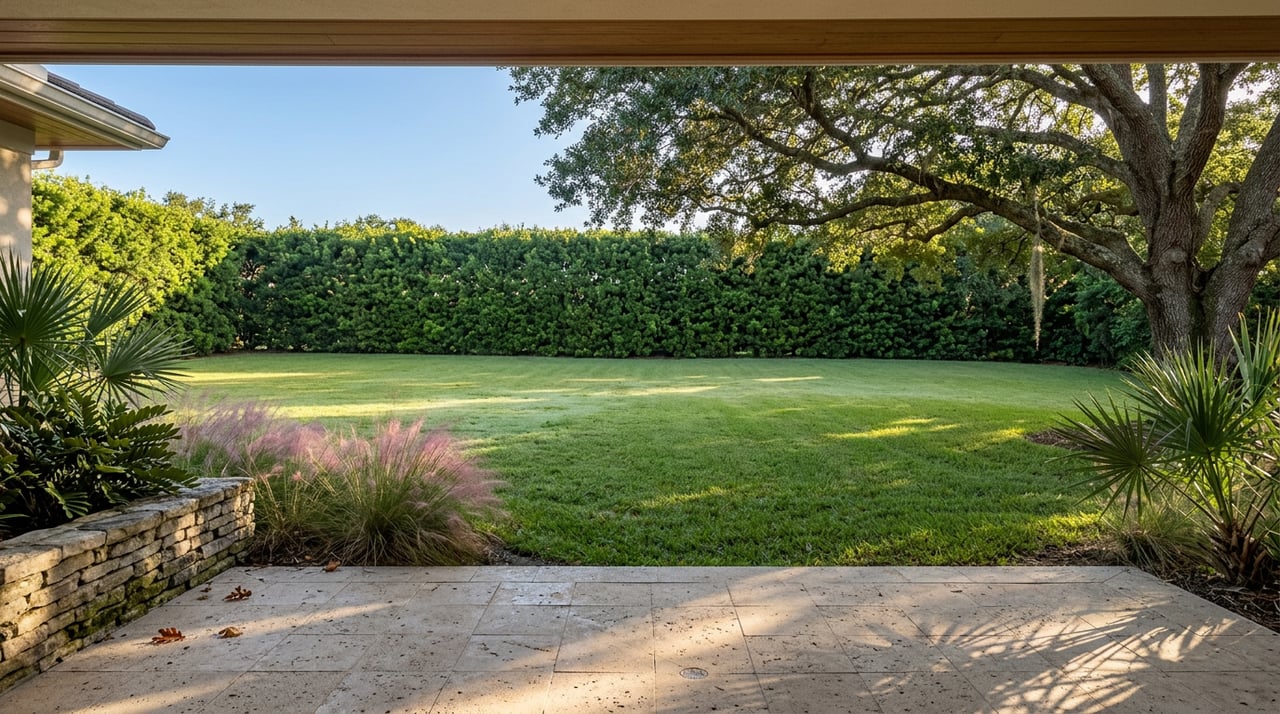
On the other hand, condo living here may be less ideal if you want a private yard, minimal association oversight, or the simplest possible multi-car setup. In that case, a suburban neighborhood or island location may better support the way you want to live.
Questions to Ask Yourself First
If you are trying to decide whether a downtown Sarasota condo is right for you, start with a few honest questions.
- Do you want a walkable, urban setting more than a quieter residential setting?
- Are you comfortable with condo fees and shared building expenses?
- Would you be happy living with association rules and document requirements?
- Is one-car or garage-based parking workable for your routine?
- Do you value access to culture, dining, and the bay more than private outdoor space?
- Are you open to reviewing reserves, inspections, and assessment history before making a decision?
Your answers can quickly show whether downtown condo living matches your priorities. In Sarasota, this is very much a lifestyle-first choice.
Downtown Sarasota condos can offer an appealing mix of walkability, bayfront access, transit options, and cultural energy. The tradeoffs are just as real, with condo dues, reserve obligations, parking friction, and rule-heavy ownership all part of the picture. If you want help weighing the pros and cons based on how you actually live, Kelly Rosenberg offers the kind of local, hands-on guidance that can make your decision much clearer.
FAQs
Is downtown Sarasota a walkable place to live in a condo?
- Yes. The city describes downtown Sarasota as a center of walkability, with businesses, parks, museums, galleries, and cultural venues close together, and ongoing improvements focused on pedestrian safety, sidewalks, and crosswalks.
Are condo fees included in a downtown Sarasota mortgage payment?
- Usually not. Condo or HOA dues are generally paid separately from your mortgage, and the amount can vary widely depending on the building and its amenities, condition, and budget structure.
What should buyers review before purchasing an older downtown Sarasota condo?
- You should review the building’s milestone-inspection status, structural integrity reserve study when applicable, reserve funding, and any history of special assessments, since Florida law now places added focus on inspections and reserve planning for qualifying buildings.
Is parking difficult in downtown Sarasota for condo owners?
- It can be. The city offers public parking and garages, but close-in parking may be difficult during peak demand, so buyers should confirm deeded or assigned spaces, guest parking, and any vehicle restrictions at the building level.
Are pets allowed in downtown Sarasota condos?
- Pet policies depend on the individual building, not the downtown area as a whole, so you need to review that condo’s specific rules before buying.
Who is a downtown Sarasota condo best suited for?
- It is often a strong fit for downsizers, seasonal residents, and relocating buyers who want less exterior upkeep, easy access to dining and culture, and a more urban lifestyle.