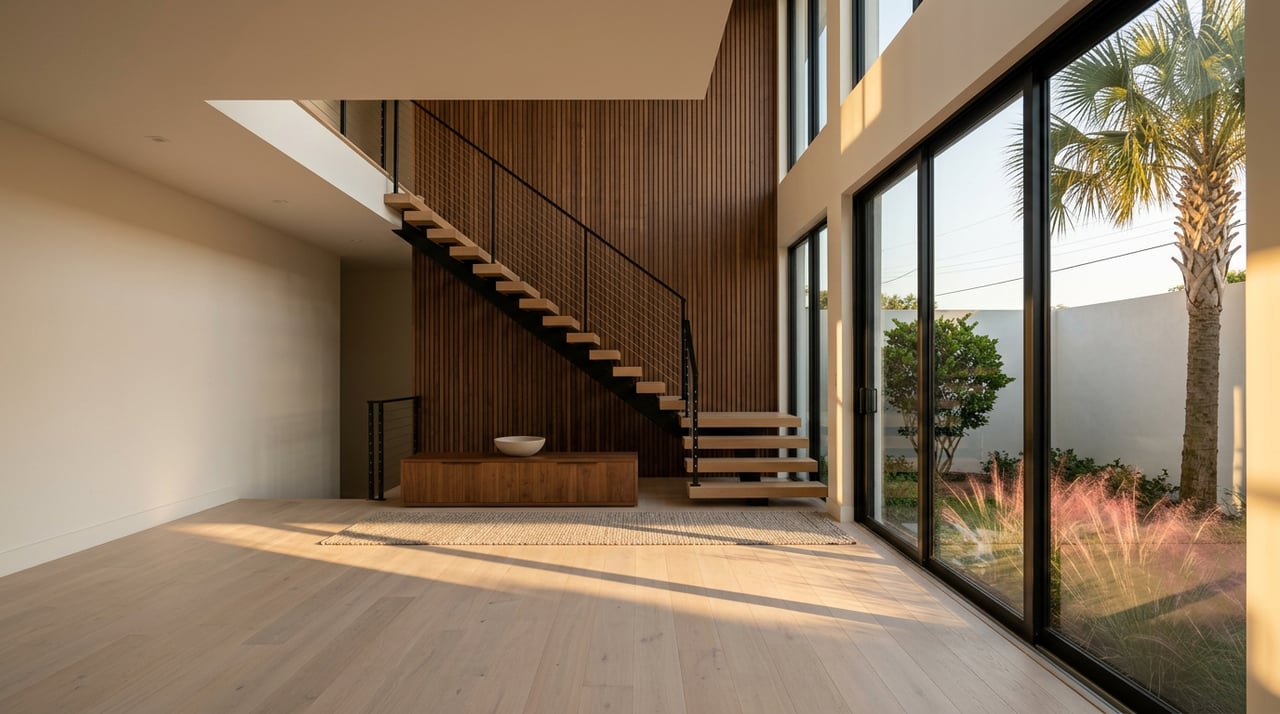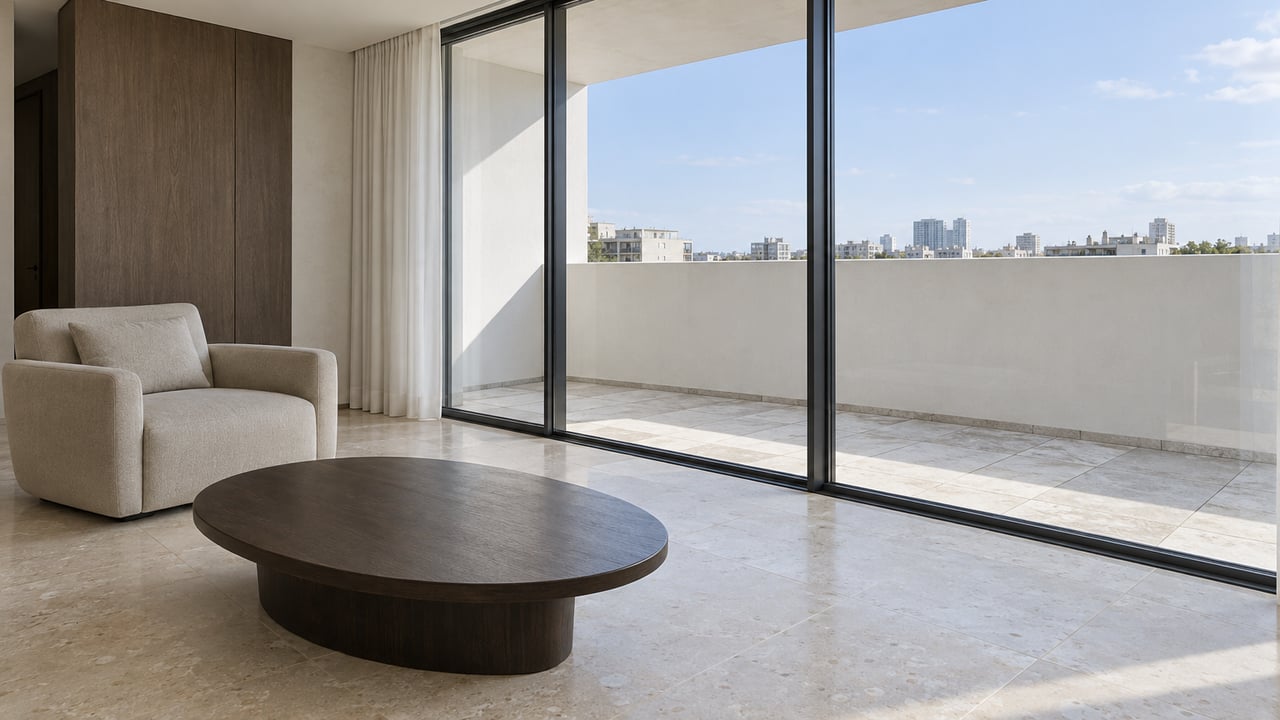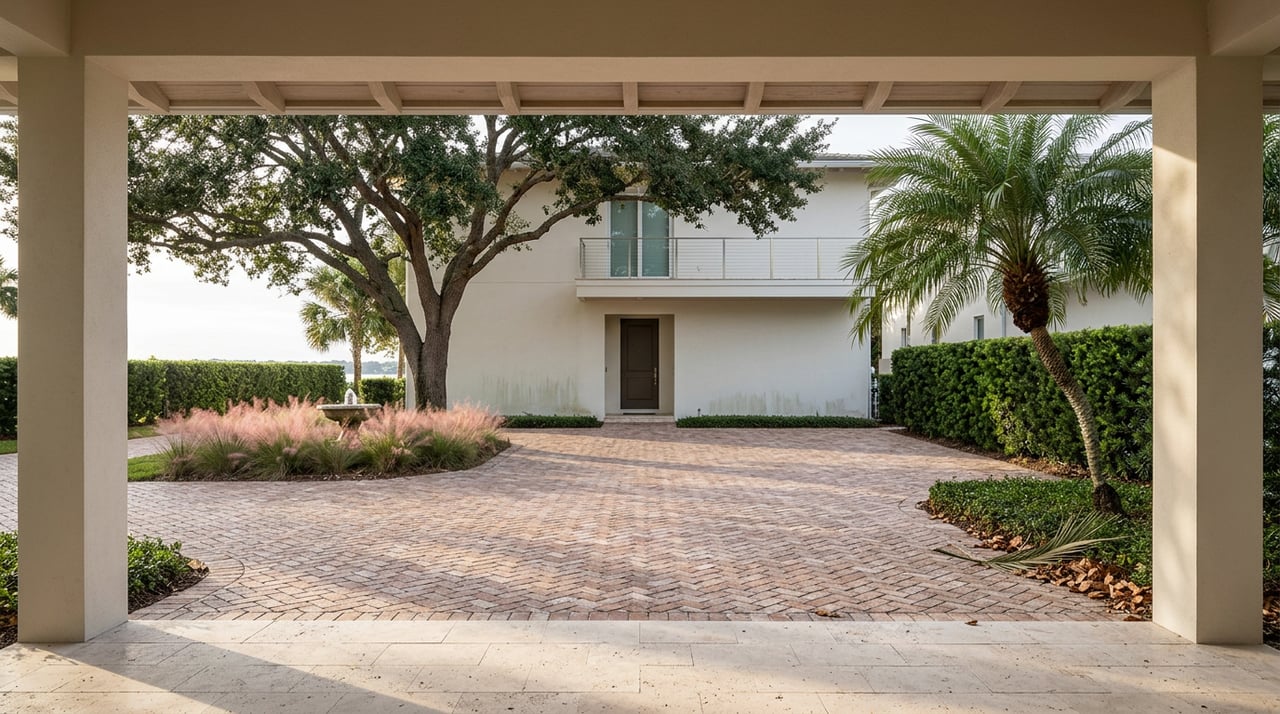
You keep seeing “turnkey furnished” on Siesta Key listings and wonder what you actually get when you close. You want a place you can unlock, drop your bags, and head to the beach without a giant shopping list or guesswork. In this guide, you’ll learn what the term really means, what usually conveys, how to verify it in your contract, and smart protections that matter for island condos and remote buyers. Let’s dive in.
What “turnkey furnished” really means
“Turnkey furnished” is a marketing term that signals a home is ready for immediate use with furniture, linens, kitchenware, and working appliances in place. It does not legally guarantee that every item you see in photos will convey. What actually transfers in a sale depends on your contract. Fixtures usually convey, while most furnishings and soft goods are personal property that must be listed in writing.
Industry best practice is simple. Treat “turnkey furnished” as a starting point, then spell out the details in your purchase agreement. Use an itemized inventory, condition notes, and a bill of sale so there are no surprises at closing.
What usually conveys
Typical inclusions
- Major furniture like sofas, dining sets, beds, and dressers
- Kitchen essentials such as dishes, flatware, cookware, and small appliances
- Major appliances, including refrigerator, range, dishwasher, and often washer and dryer
- Window coverings, rugs, lamps, and basic décor
- Linens and towels, and sometimes beach gear
- TVs and basic entertainment gear, depending on the agreement
- Outdoor furniture for balconies and patios
Common exclusions
- Personal effects, family photos, documents, and medicines
- Artwork, collectibles, and antiques unless specifically included
- Electronics tied to subscriptions or rentals, like cable boxes
- Wall‑mounted TVs or custom items that may be disputed without clear language
- Leased or encumbered items, such as some water softeners or service‑contract appliances
- Items stored offsite or in separate storage unless named in the inventory
Island‑specific watchouts
- Beach gear is often included, but you should confirm which items convey.
- Salt air accelerates corrosion. Outdoor metal furniture and grills may look fine in photos but be worn in person. Agree on condition in writing.
How to verify what conveys
Get a written inventory
Request an itemized inventory as an addendum or exhibit to your contract. The inventory should list each major item, note condition, and identify inclusions and exclusions. Add serial numbers for appliances and electronics when possible, specify mattress sizes and condition, and list outdoor furniture and cushions.
Use photos and video
Ask for high‑resolution photos and a video walkthrough that clearly show the items in place. If you are remote, set a live video tour to confirm both presence and condition.
Require a bill of sale
Personal property should transfer via a bill of sale that is signed at closing and tied to your inventory exhibit. This step turns a marketing promise into a documented transfer.
Add contract protections
Include a “personal property conveys” clause that names items, sets expectations for working condition, and outlines remedies if something is missing or damaged at the final walkthrough. Expand the inspection or walkthrough contingency to cover the inventory so you can object within a defined timeframe.
Do a final walkthrough with a checklist
Conduct a full walkthrough before closing and check items off the inventory list. For high‑value pieces, consider an escrow holdback until you confirm receipt and condition post‑closing.
Confirm ownership and encumbrances
Ask the seller to certify that included items are owned free and clear. If anything is leased or under a service contract, require proof of ownership or a plan for termination or assignment.
Review condo and HOA rules
On Siesta Key, many properties are in condominium associations. Request the association’s rules, governing documents, and recent meeting minutes early. Some communities have rental rules, storage limits, and insurance provisions that affect what you can keep in the unit and how you operate a furnished rental.
Remote buyer safeguards for Siesta Key
Property management and logistics
If you are buying from afar, consider lining up a local property manager before closing. They can accept deliveries, check inventory, and coordinate cleaning and linens for either personal use or rentals. Confirm access instructions, door and gate codes, and elevator use in your building.
Salt air and maintenance
Barrier‑island homes face extra wear from humidity and salt air. Pay close attention to outdoor furniture, grills, metal fixtures, and appliances near exterior exposure. Verify recent HVAC service, and confirm proper dehumidification and venting.
Insurance and contents
Ask an insurance professional about coverage for unit contents. In many condos, you will need an HO‑6 policy for interior finishes and belongings. If you plan short‑term rentals, confirm that your coverage and the association’s policy allow that use.
Short‑term rental standards
If you intend to rent your unit, check local regulations and your building’s rental policies. Then confirm the furnishings meet rental standards, such as durable fabrics, appropriate mattresses, and required safety items like smoke detectors and fire extinguishers.
Delivery and setup costs
Budget for delivery fees, assembly, and linen laundering if you need to replace items. If the turnkey package misses small essentials like kitchenware or extra towels, request a seller‑provided starter kit or negotiate a credit.
Smart negotiation moves
Contract exhibits and sample clauses
Attach a detailed inventory exhibit to your purchase agreement and pair it with a bill of sale at closing. Consider using clear language like:
- “Seller agrees that the personal property listed on Exhibit A (Inventory) attached hereto shall convey with the Property at closing. Any exceptions are noted on Exhibit A. Seller warrants that all items listed as included are owned by Seller and are free of liens, except as disclosed on Exhibit A.”
- “Seller shall execute and deliver at closing a Bill of Sale transferring all included personal property described on Exhibit A to Buyer.”
Remedies and holdbacks
Protect yourself with pre‑closing testing of appliances and HVAC, and set remedies if items are missing or not working. You can negotiate repair or replacement, a price credit, or a short escrow holdback that is released after you confirm delivery and condition post‑closing.
Consider language such as: “All included appliances and mechanical systems shall be in working order at closing. If any listed item is not present or not in the same condition as represented in the Inventory at closing, Seller shall either repair or replace the item prior to closing, or remit to escrow a holdback to be released to Buyer upon verification of replacement within 30 days post‑closing.”
For rental investors
If you are buying for short‑term rental use, negotiate for linens, kitchenware, and starter supplies to reduce turnover costs. If the seller will not include certain items, ask for a contents credit or an escrow that is released when the items are delivered.
Quick turnkey checklist
- Request a detailed inventory exhibit with inclusions, exclusions, serial numbers, and condition notes.
- Require a signed bill of sale tied to the inventory.
- Get high‑resolution photos, a video tour, and a live walkthrough if you are remote.
- Inspect appliances and HVAC, and secure credits or repairs for non‑functioning items.
- Verify ownership of included items and disclose any leased or encumbered equipment.
- Review condo or HOA documents, rental rules, insurance responsibilities, and storage limits.
- Consider a post‑closing escrow holdback for high‑value items.
- Plan for move‑in logistics, delivery, and any salt‑air‑related replacements.
Bottom line for Siesta Key buyers
On Siesta Key, “turnkey furnished” can simplify your purchase, but only if you document the details. Treat the term as a promise you confirm in writing, not a guarantee by itself. With a clear inventory, a bill of sale, and smart protections, you can close with confidence and start enjoying the beach sooner.
Ready to navigate a turnkey purchase with a local expert who handles remote transactions and negotiations every day? Connect with Kelly Rosenberg for clear guidance and concierge‑level representation.
FAQs
Do Siesta Key “turnkey furnished” listings include everything in photos?
- No. Photos may show staged or excluded items. Protect yourself with an itemized inventory in the contract and a bill of sale for personal property.
How can I confirm appliances and TVs work if I am remote?
- Require a pre‑closing appliance inspection and a live video walkthrough, then use an escrow holdback or repair credit if anything fails at the final walkthrough.
What happens if included items are missing at closing?
- Your contract should define remedies, such as seller replacement, repair, a monetary credit, or an escrow holdback until the items are delivered.
Can my condo association limit short‑term rentals in a turnkey unit?
- Yes. Associations set rental rules, so review governing documents and local regulations before assuming rental use is allowed.
Is it safe to accept “as‑is” on a turnkey furnished deal?
- Be careful. “As‑is” addresses condition but not missing items. Use an inventory exhibit and add remedies for missing or damaged furnishings.