Thinking about a Sarasota condo but worried about surprise assessments or delays at closing? You are not alone. After the Surfside tragedy, Florida increased structural oversight and pushed associations to take reserve funding more seriously, which affects what you pay and how your loan gets approved. In this guide, you will learn how milestone inspections and reserves work, which Sarasota buildings are most affected, what documents to request, and how to structure your contingencies so you can move forward with confidence. Let’s dive in.
What changed in Florida
Florida strengthened two areas that touch every condo buyer:
- Milestone inspections. Older multi‑story buildings must complete periodic structural and engineering inspections that identify issues, estimate repair costs, and outline a repair timetable. Reports are prepared by qualified engineers and are often shared with associations and regulators.
- Reserves and reserve studies. Associations are expected to document long‑term repair needs and fund reserves so major items like roofs, exterior walls, elevators, balconies, and common‑area systems can be repaired or replaced without constant special assessments.
For you, these changes can mean higher transparency, but also the possibility of dues increases, special assessments, lender questions, or insurance requirements that affect timing and affordability.
How it affects Sarasota
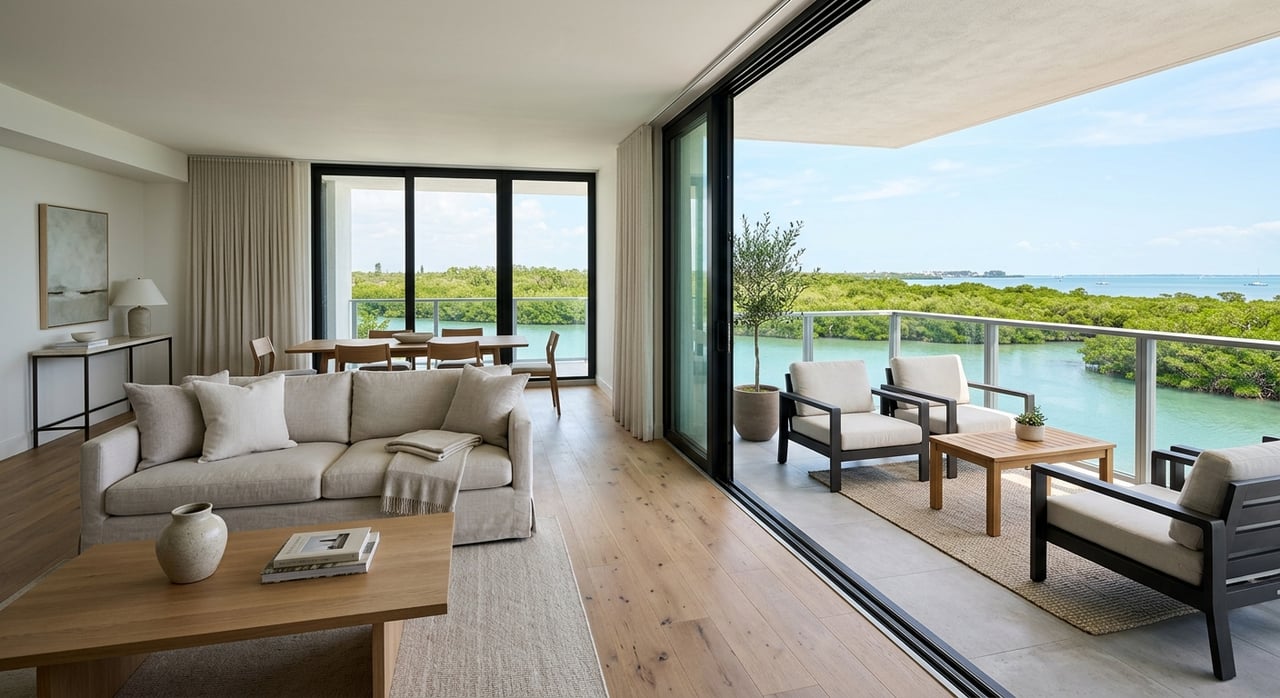
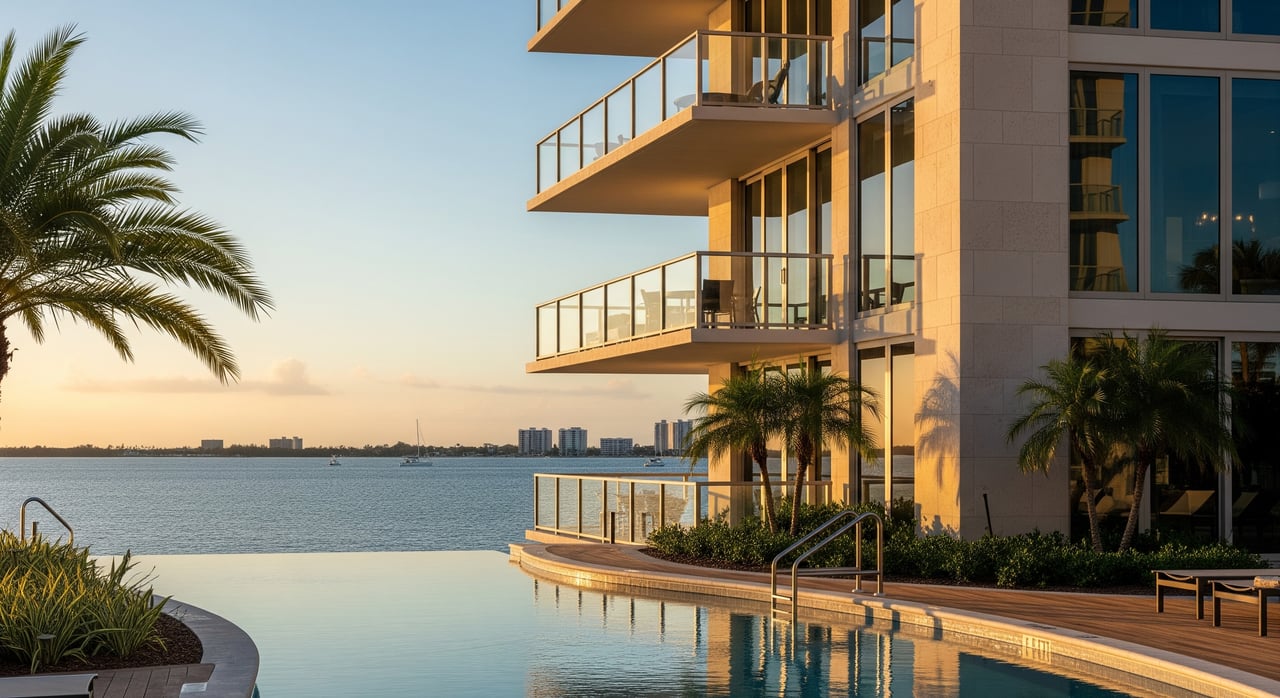
Sarasota has many mid‑century and late‑20th‑century condos, especially near the coast. These buildings are more likely to be at or approaching required inspection milestones. Coastal exposure raises concerns about corrosion, wind, and water, which can increase repair costs and insurer scrutiny.
Expect older, multi‑story buildings to have recent or upcoming engineering reports. Those reports may include cost estimates and timelines for work, which can lead to dues changes or assessments.
Reserves and your budget
“Reserves” are association savings for big ticket items. If reserves are low, inspections that uncover needed repairs can trigger special assessments or dues increases.
What this means for you:
- Your monthly housing costs could change. Dues or assessments can affect your debt‑to‑income ratio and loan approval.
- Lenders may ask for project information. Some loans require proof of adequate reserves, solid insurance coverage, and no unresolved structural issues.
- Insurers may require repairs or raise premiums. Buildings with unresolved issues may face higher deductibles or coverage challenges.
Documents to request
Top documents
Ask the seller, association, or manager for these during your association document and inspection contingency:
- Latest association budget, plus the most recent monthly or quarterly income statement and balance sheet.
- Current reserve study or recent reserve analysis, and reserve account balances for the last 1 to 3 years.
- Any milestone inspection reports, structural or engineering reports, repair estimates, and records of completed repairs or signed contracts.
- Board meeting minutes for the last 12 to 24 months, where available.
- Estoppel certificate showing current dues, arrears, and assessment status.
- Declaration, bylaws, rules, and amendments related to maintenance, assessments, and insurance.
- Insurance declarations and summaries for property, windstorm, flood, liability, and umbrella coverage.
- A list of current or pending assessments, liens, and recent capital projects with financing details.
- Litigation summaries and outstanding legal fee obligations, or a statement from counsel.
- Management company contacts and whether there is an owner portal for documents.
- Any notices to regulators about structural concerns or compliance actions.
Red flags to watch
- Engineering reports showing structural deficiencies without a clear funding plan or timeline for repairs.
- Reserve balances far below what the reserve study recommends, especially when large projects are due soon.
- Board minutes showing repeated votes to waive or underfund reserves.
- Multiple or recent special assessments.
- Pending litigation with potential large costs to the association.
- Insurance gaps, high deductibles, or non‑renewal threats.
- Estoppel showing arrears by the seller that could complicate closing.
Smart questions to ask
Use these targeted questions to fill in gaps and confirm risk:
- Has the building had a milestone or structural inspection in the last 10 years? Can I review the complete report and any engineer’s cost estimate?
- What is the current reserve balance and when was the most recent reserve study completed? Is the association following that funding plan?
- Are any special assessments or major projects planned in the next 12 to 36 months? What are the estimated costs and payment schedules?
- Are there any outstanding code violations, notices of structural deficiency, or regulatory actions?
- Is the association involved in litigation? What is the exposure?
- Who manages the building, and what is the typical turnaround for estoppel and document requests? Is there an owner portal?
- What insurance policies are in place, what are the limits and deductibles, and have premiums changed recently?
- Which engineer‑recommended repairs are complete, and are there open contracts or liens related to those repairs?
- Are there restrictions that could affect financing or rental use, such as owner occupancy percentages or short‑term rental rules?
- Has the board paused maintenance or repairs due to funding shortfalls?
Timeline and contingencies
Set realistic timeframes to get documents and make informed decisions. In Sarasota, a slightly longer contingency than a single‑family home can be wise.
- Association documents and estoppel: 14 to 21 days.
- Engineering or milestone report review: 14 to 30 days, depending on availability.
Before you go under contract
- Plan for extra time to collect association documents, engineering reports, and the estoppel certificate.
- Align lender expectations early, especially if the building is older or coastal.
Right after contract ratification
- Make written requests immediately. Use contract language that requires delivery of association documents and allows termination if they are not satisfactory.
- Order the estoppel certificate right away. Many associations charge a fee and take 10 to 30 days.
- Ask for complete engineering or milestone reports, not summaries. If a report is pending, request a copy upon completion.
- Request financials, reserve study, reserve bank statements, budgets, and recent board minutes.
- Obtain insurance declarations and any litigation statements from counsel.
If documents are delayed
- Follow up with management for a written status update.
- If key items are missing, ask for a contingency extension or include an explicit written objection or termination right.
- Coordinate with the seller’s and association’s counsel to secure certified statements on repair contracts and permits when titles or details are unclear.
Common problems and fixes
- Estoppel is delayed or costs are high. Ask for an interim confirmation of dues and assessment status. Consider a contingency tied to estoppel delivery and negotiate for the seller to cover fees if delay is seller‑related.
- Milestone report shows large deferred repairs with no plan. Request board minutes and a written repair plan. Negotiate a seller credit, escrow, or documented assessment schedule. If unresolved, consider termination under your contingency.
- Lender declines the project. Work with your lender early on project approvals. Explore different loan programs or ask the association for proof of reserves, insurance, and a repair plan. You may need to change lenders or pause until issues are addressed.
- Insurance non‑renewal or large deductibles. Request copies of notices and the association’s plan for coverage. Treat significant insurance gaps as material to your decision.
Financing and insurance
Lenders and insurers are reviewing building condition, reserves, and repair plans more closely. Be prepared to share the reserve study, milestone reports, and insurance declarations with your lender. Associations with clear funding and documented repairs are more likely to pass lender and insurer review. If a building has unresolved structural items, expect questions, conditions, or delays.
Your next step
Before you waive serious contingencies, see the financials, the reserve study, and the most recent structural inspection report. Confirm whether any capital repairs are planned and how they will be funded. Build enough time into your contract to review everything, and bring in an engineer or attorney if reports show major issues. A careful, document‑driven approach will protect your budget and your timeline.
If you want a calm, experienced guide to manage the process, reach out to Kelly Rosenberg for a tailored plan and document checklist for your target buildings.
FAQs
What are condo reserves and why they matter in Sarasota
- Reserves are the association’s savings for major repairs and replacements; in Sarasota’s older coastal buildings, adequate reserves help reduce surprise assessments and support lender and insurer approval.
How milestone inspections affect a Sarasota condo purchase
- Recent or pending engineering reports may reveal repairs, costs, and timelines that can change dues, trigger assessments, or impact loan and insurance approvals, so build time to review them.
What is an estoppel certificate in a Florida condo deal
- An estoppel confirms the seller’s dues, arrears, and assessment status so you know what you will owe at closing and whether there are pending charges that could affect your budget.
What to do if an association has low reserves
- Ask for the reserve study, board minutes, and any repair plan; consider credits or escrow, confirm lender requirements, and be prepared to extend contingencies or walk away if risks are unresolved.
How long to set condo document contingencies in Sarasota
- Plan for 14 to 21 days for association documents and estoppel, and 14 to 30 days for engineering report reviews, depending on availability and building age.