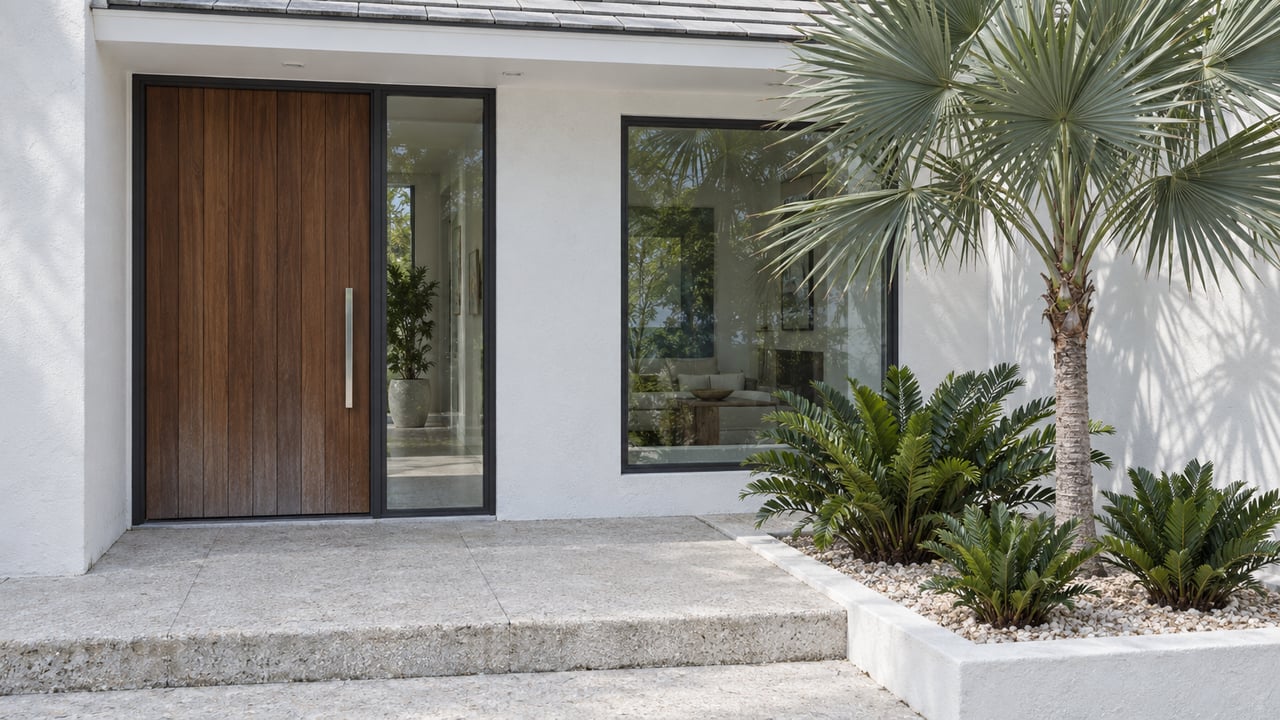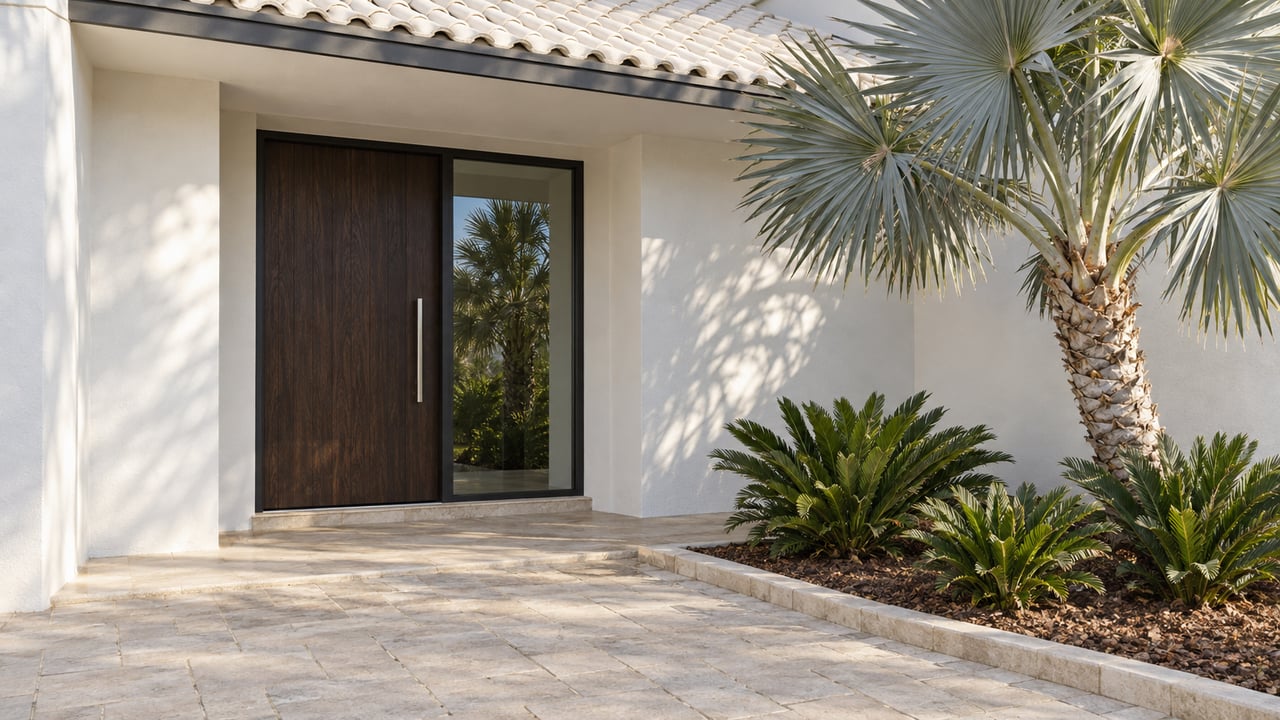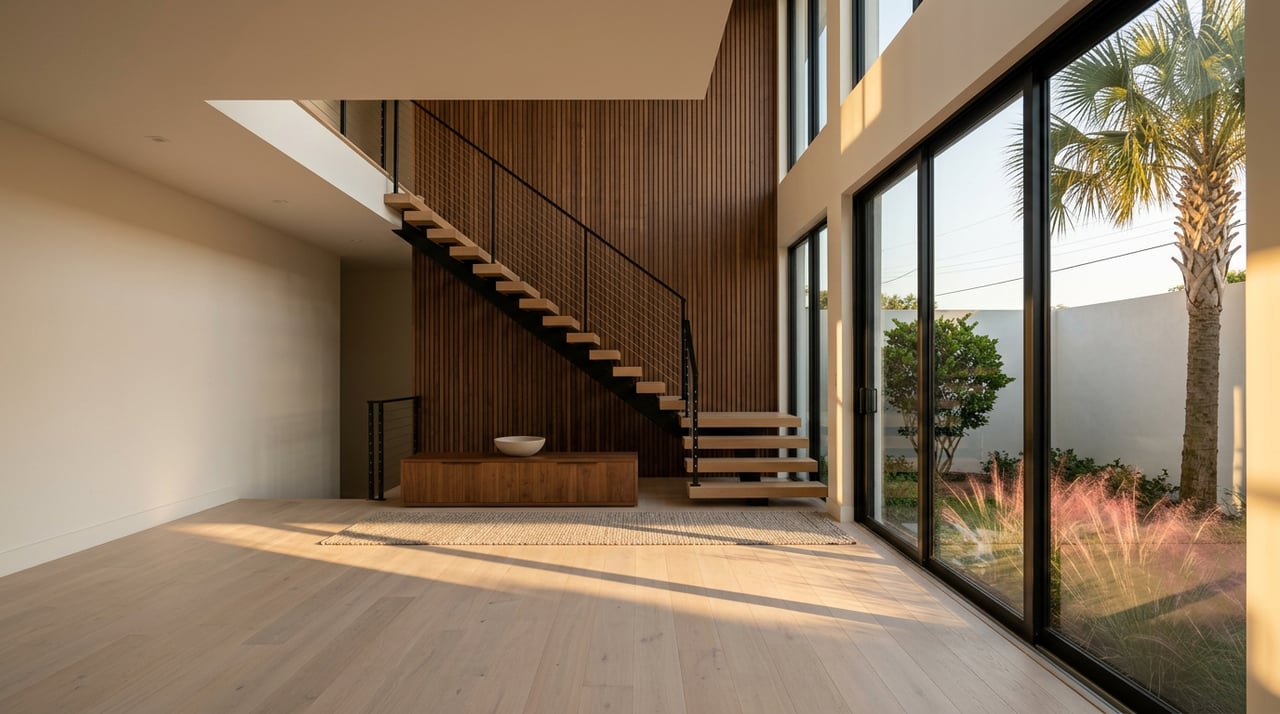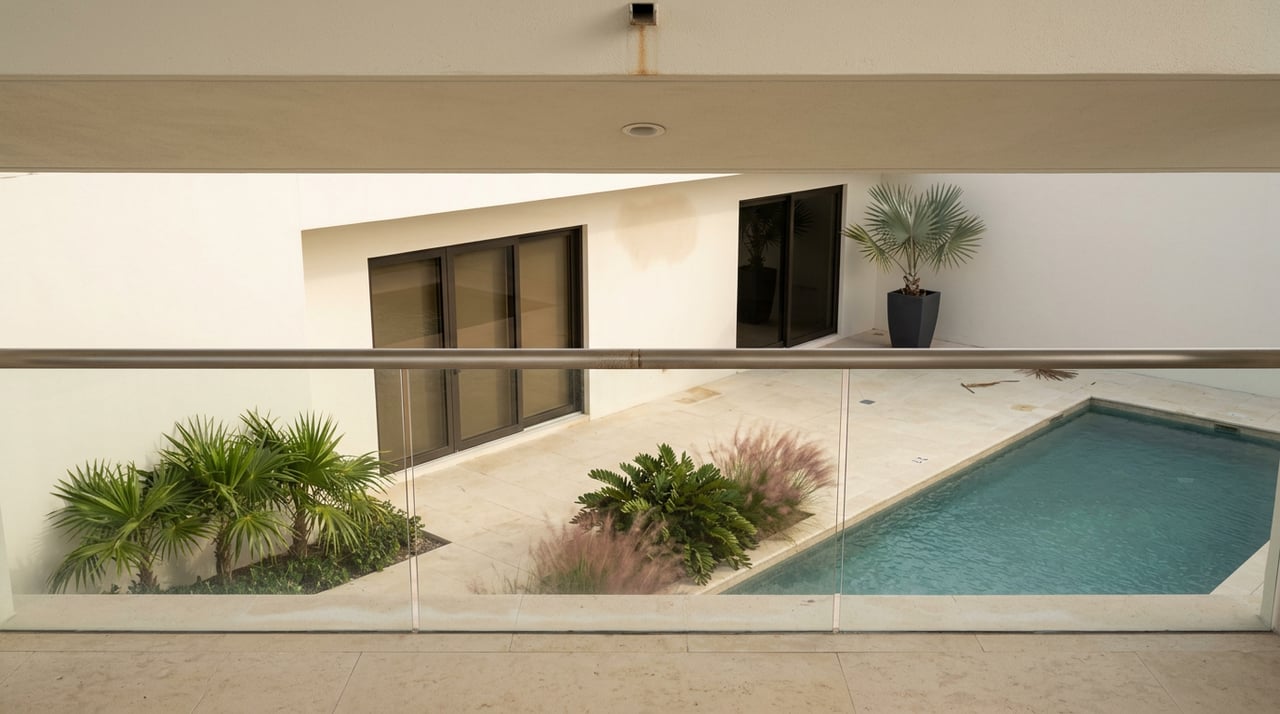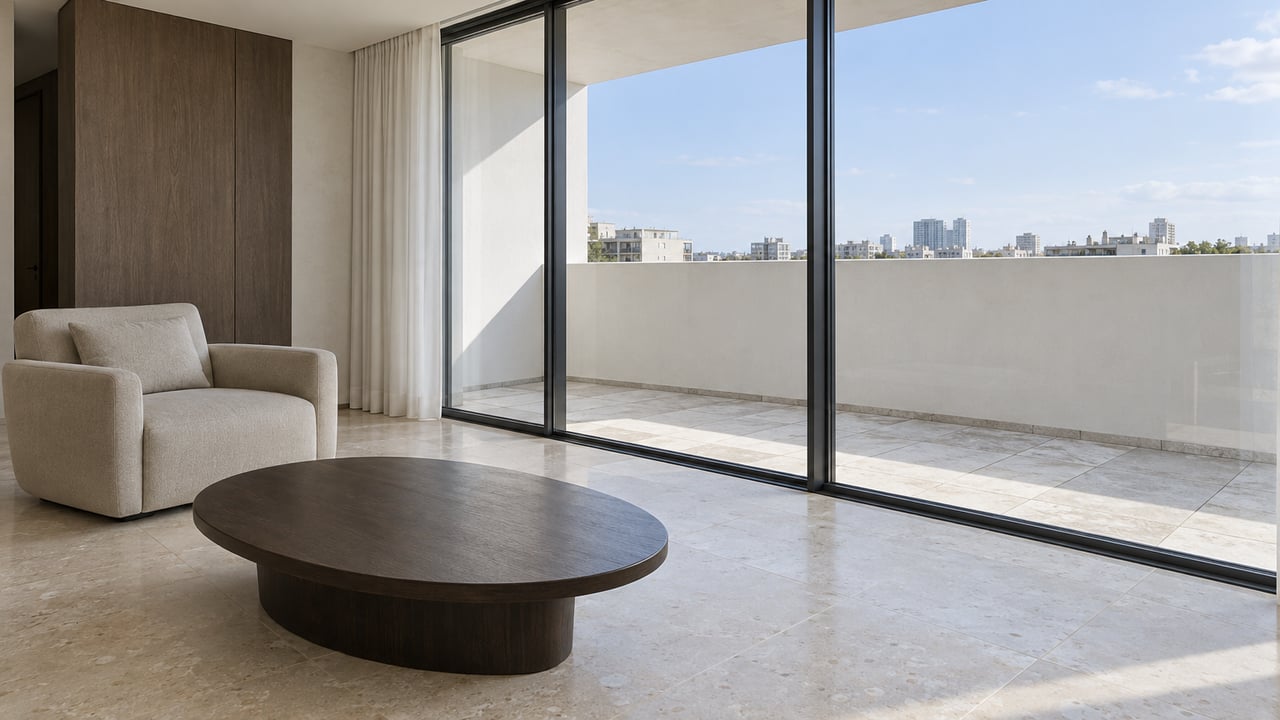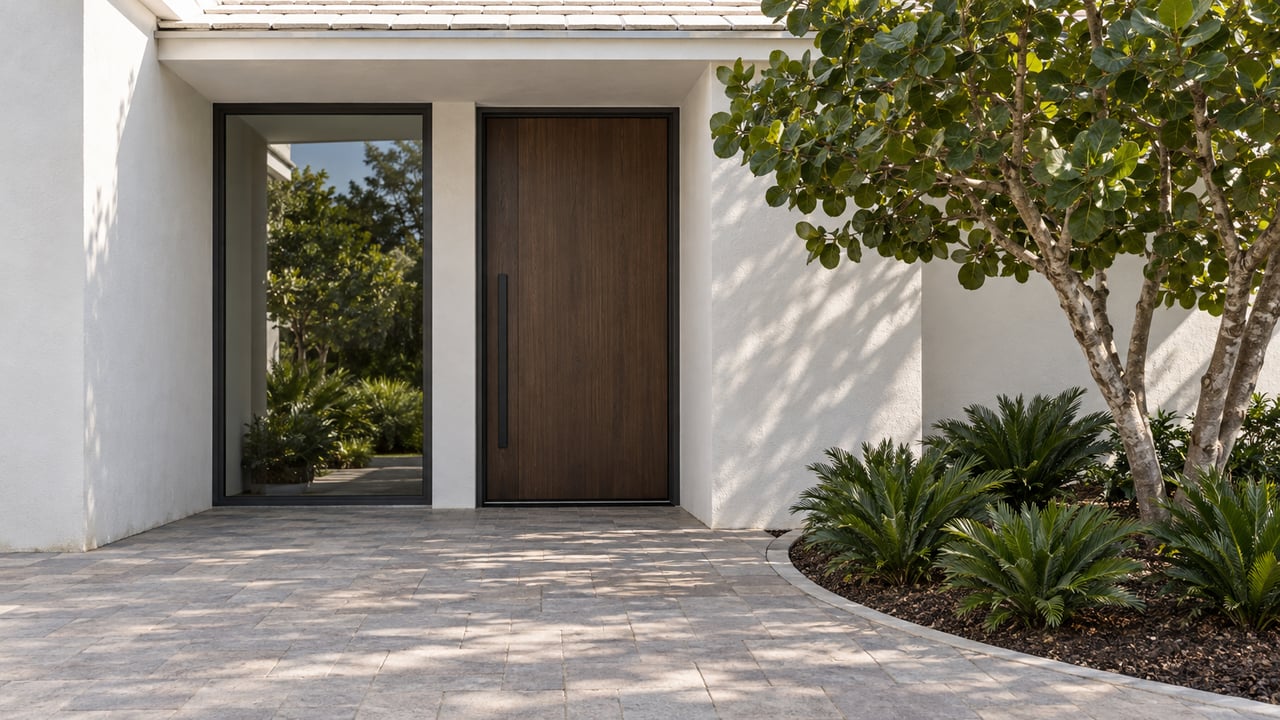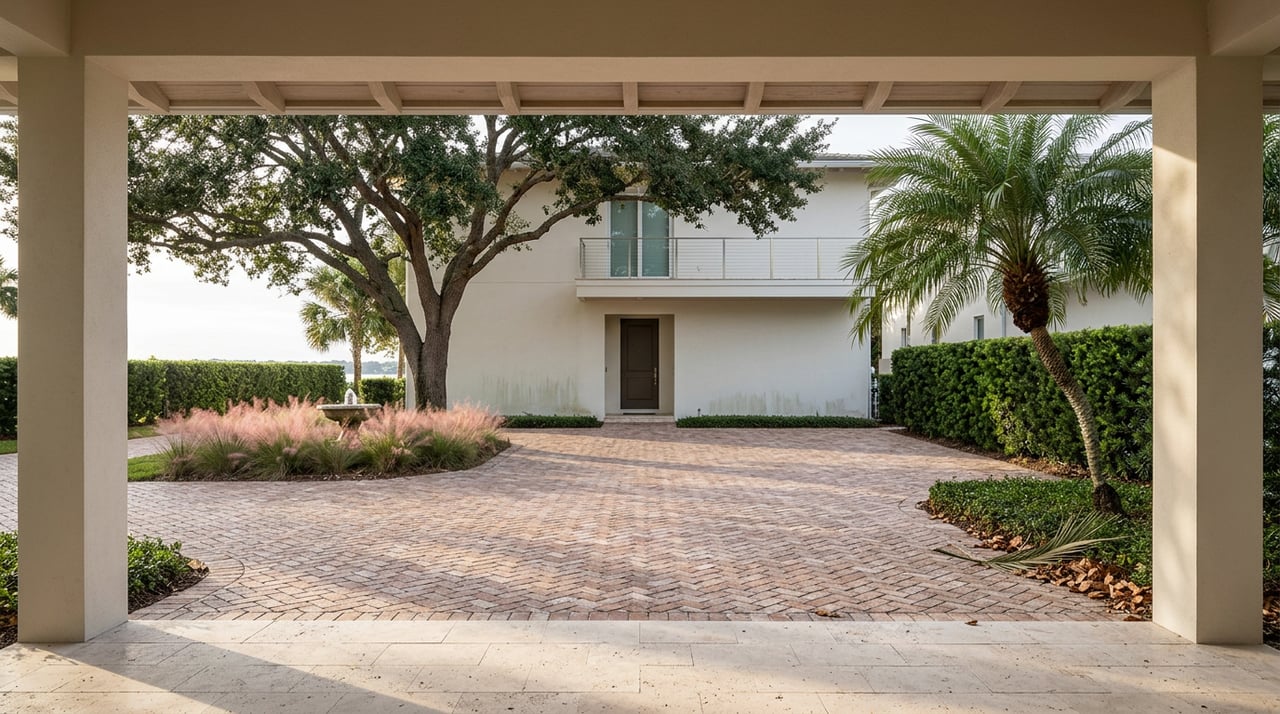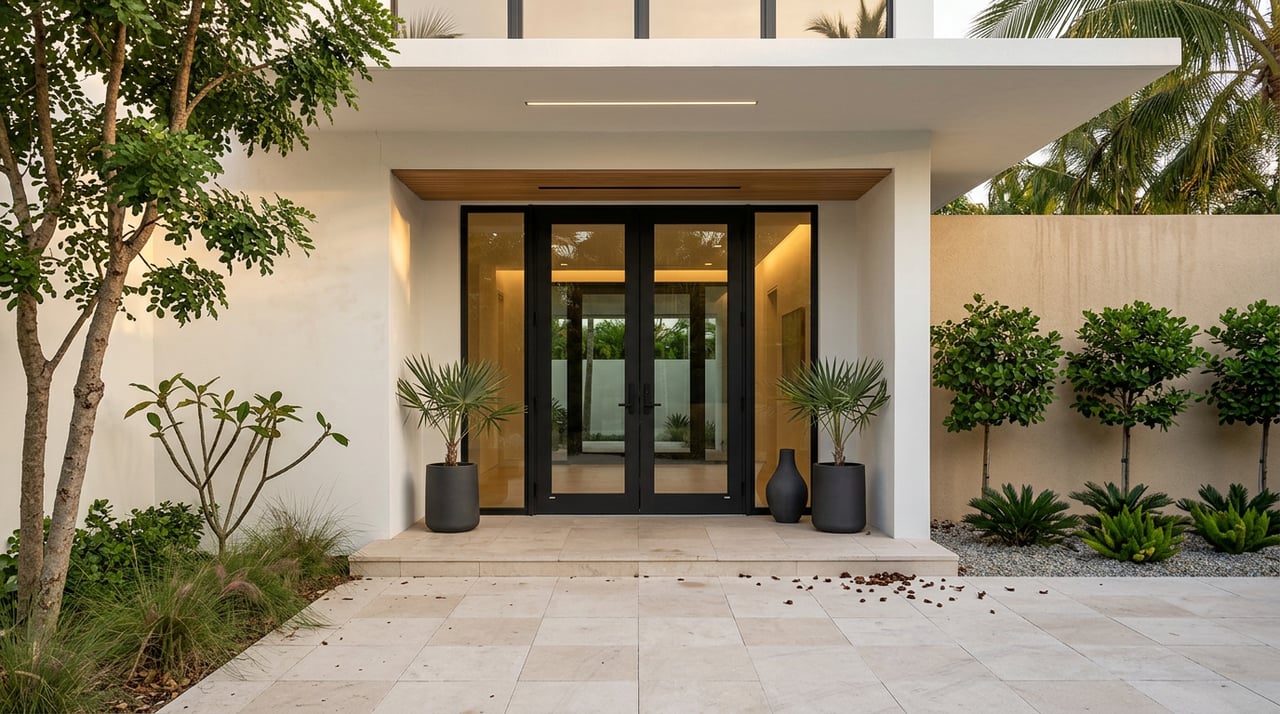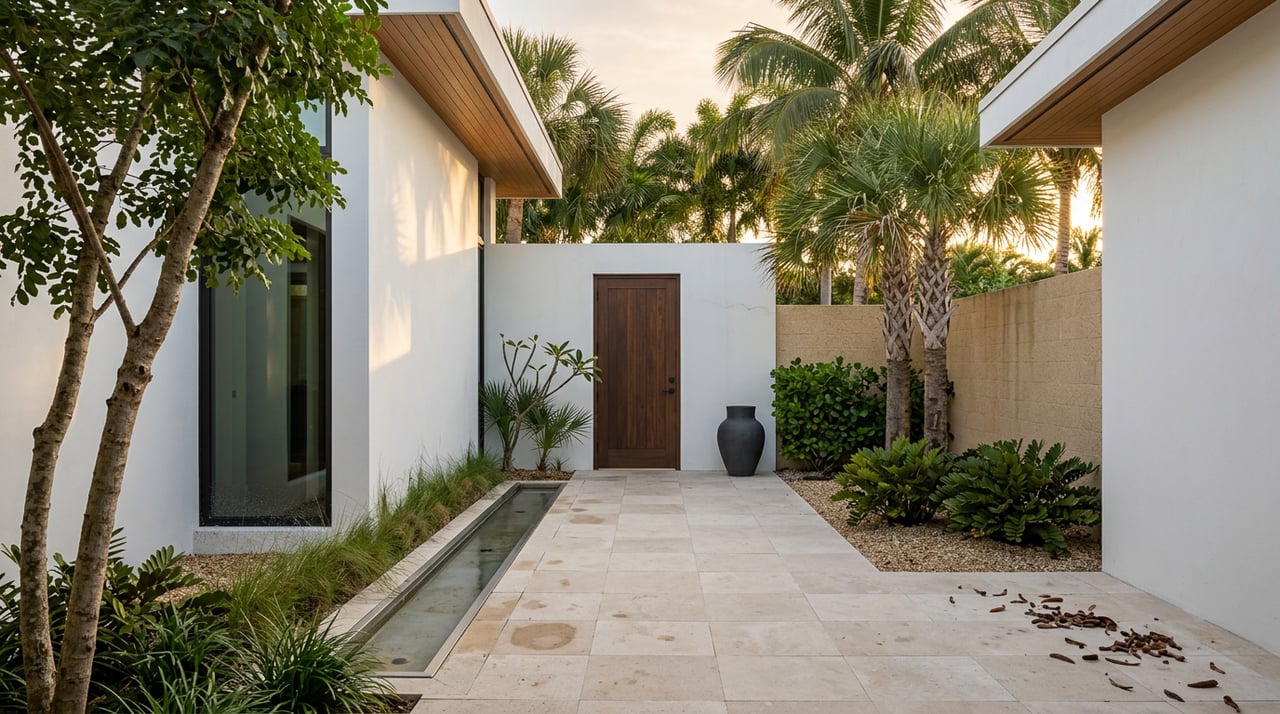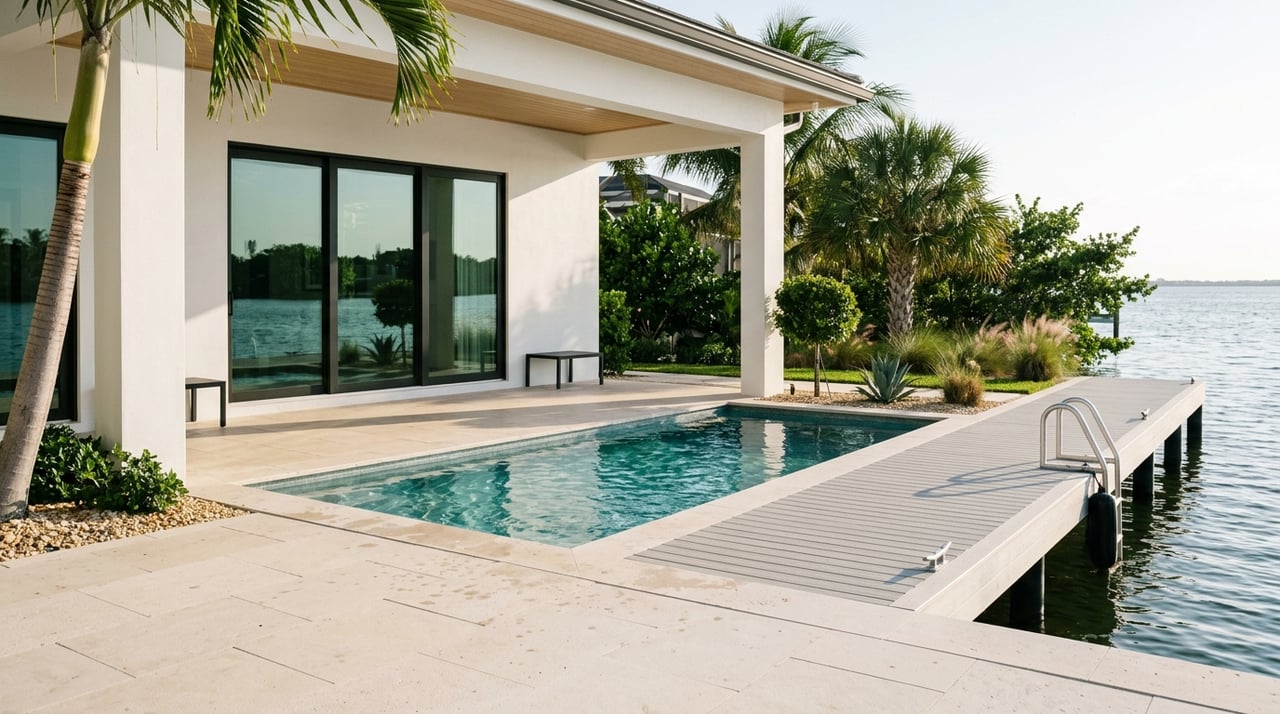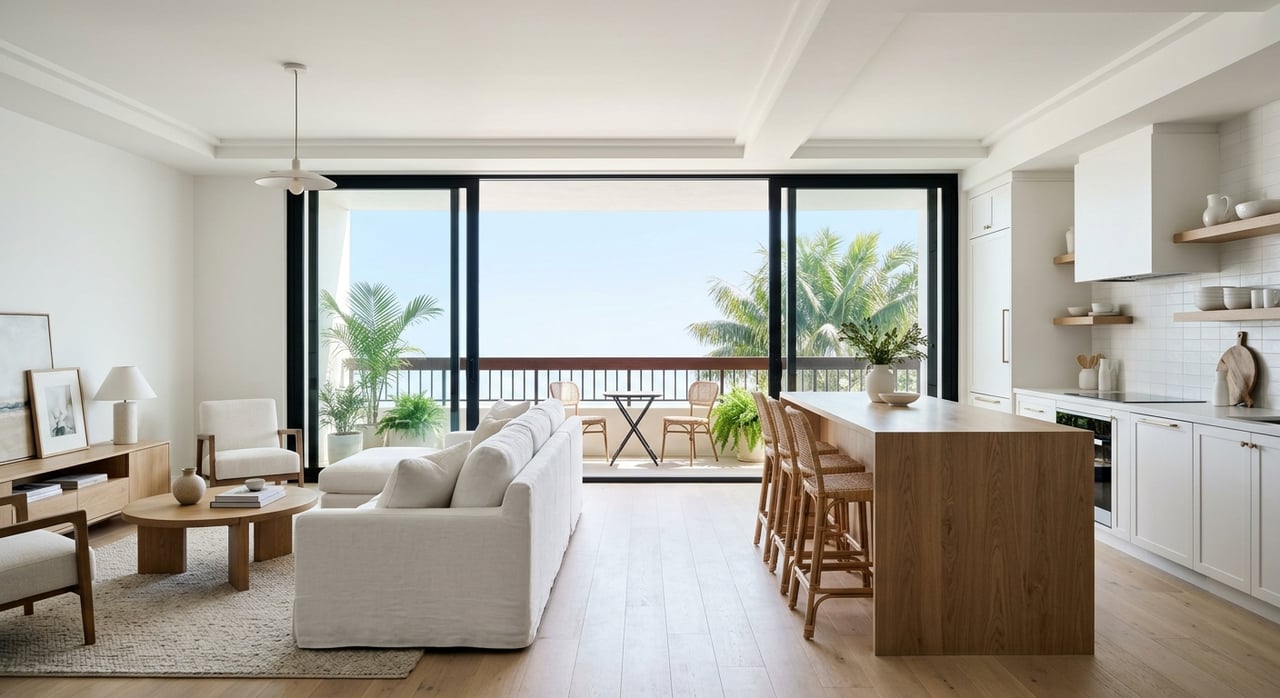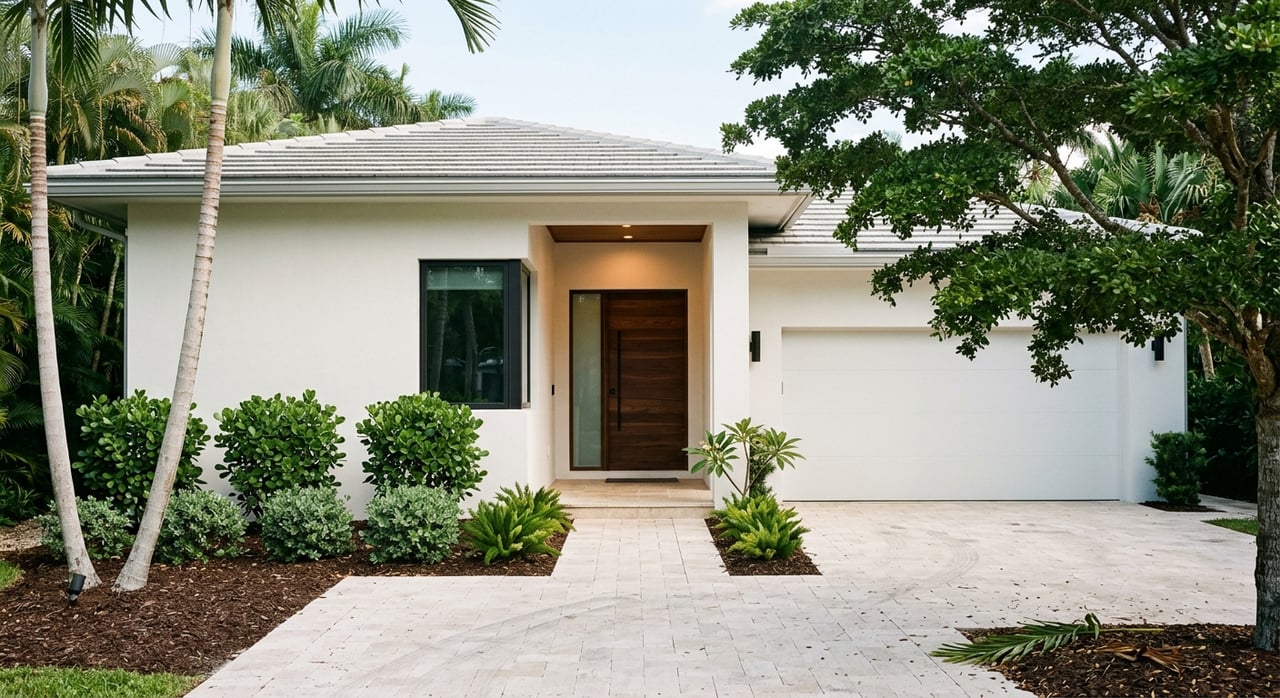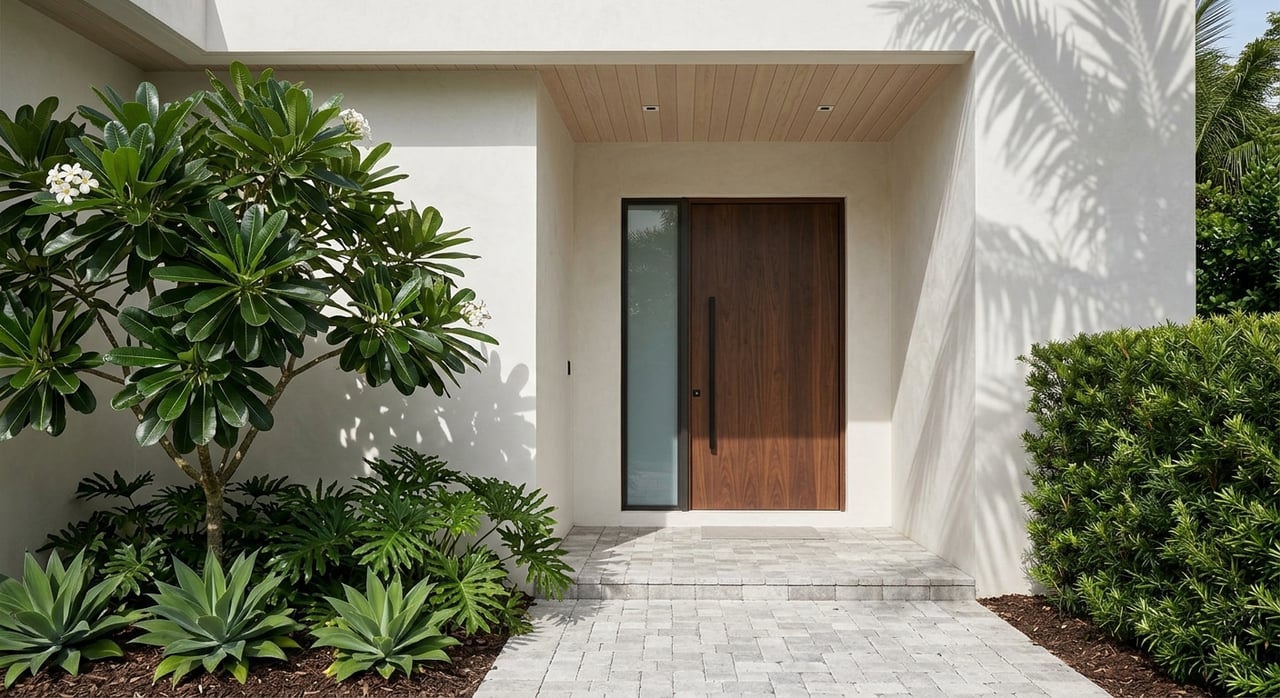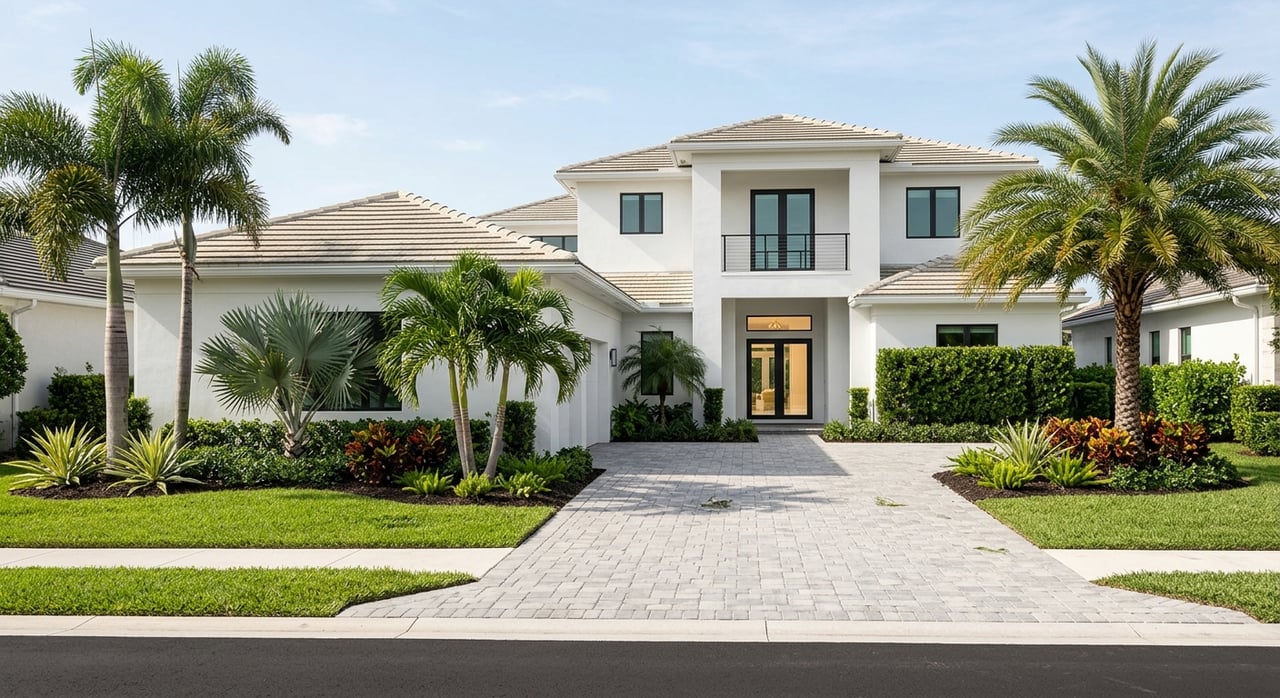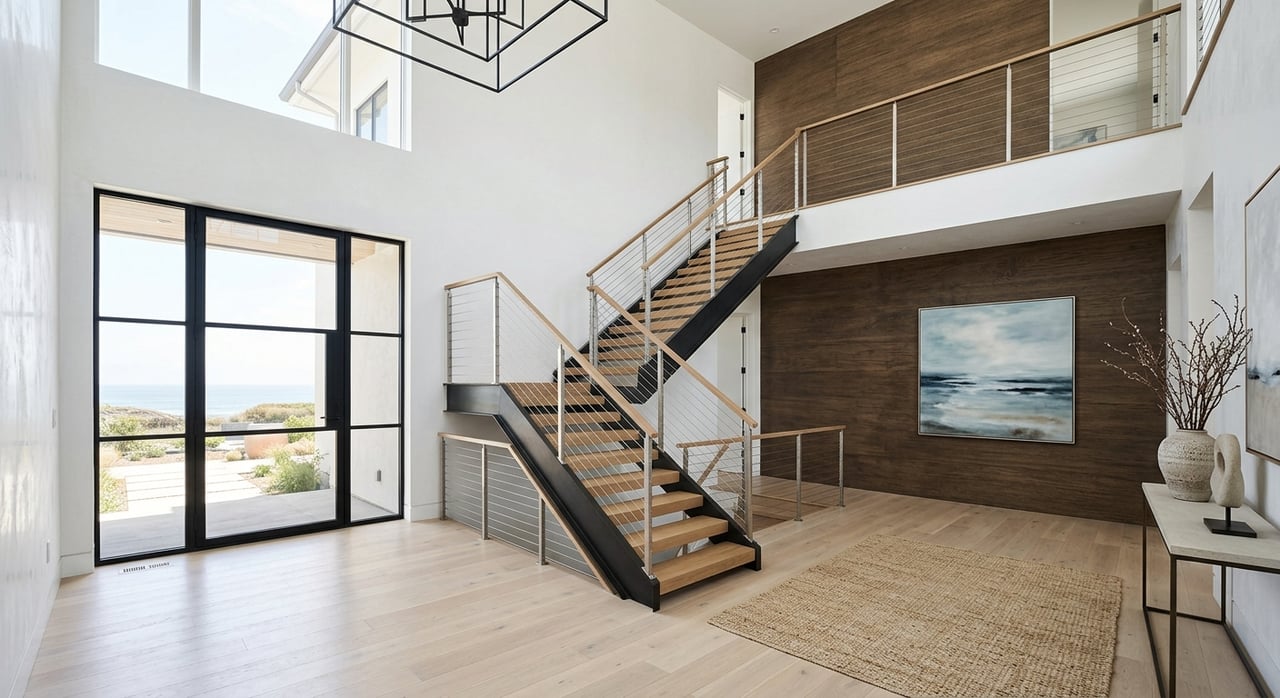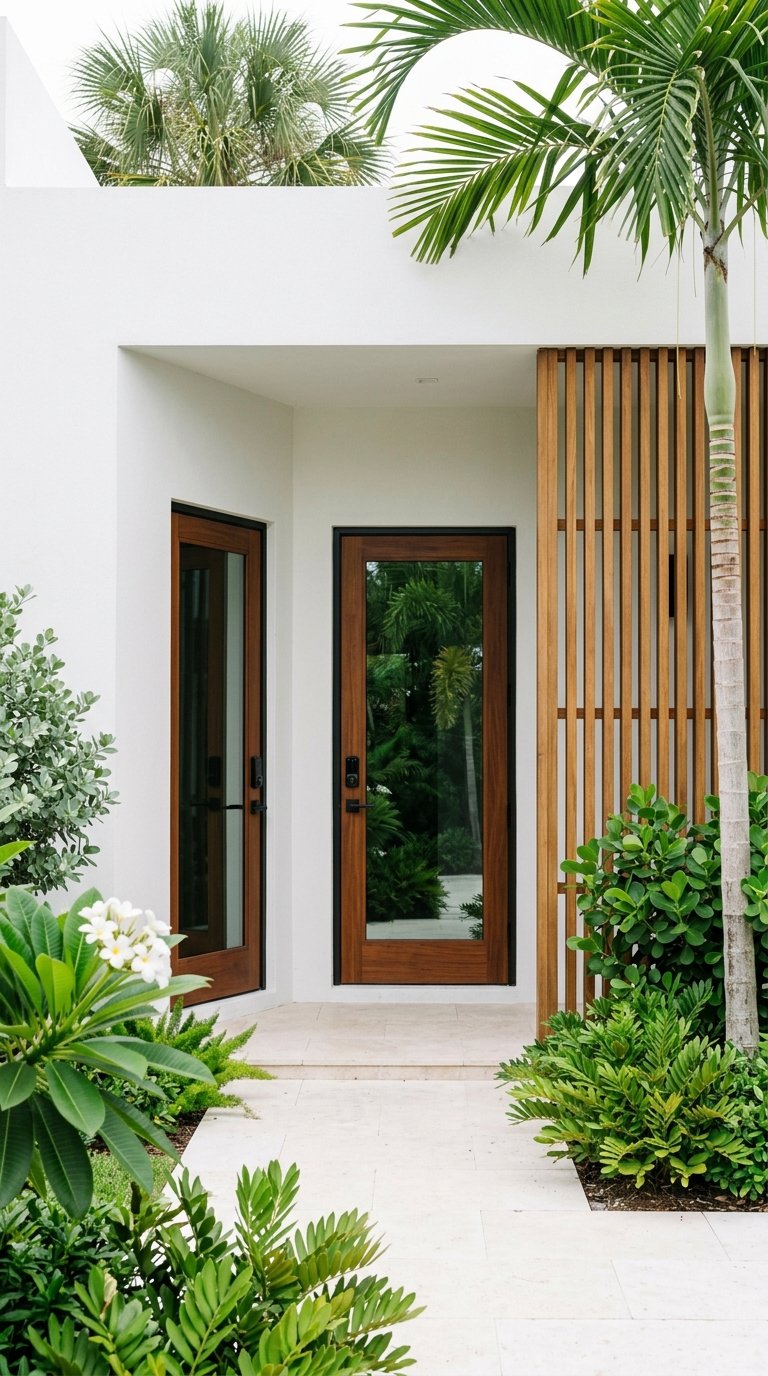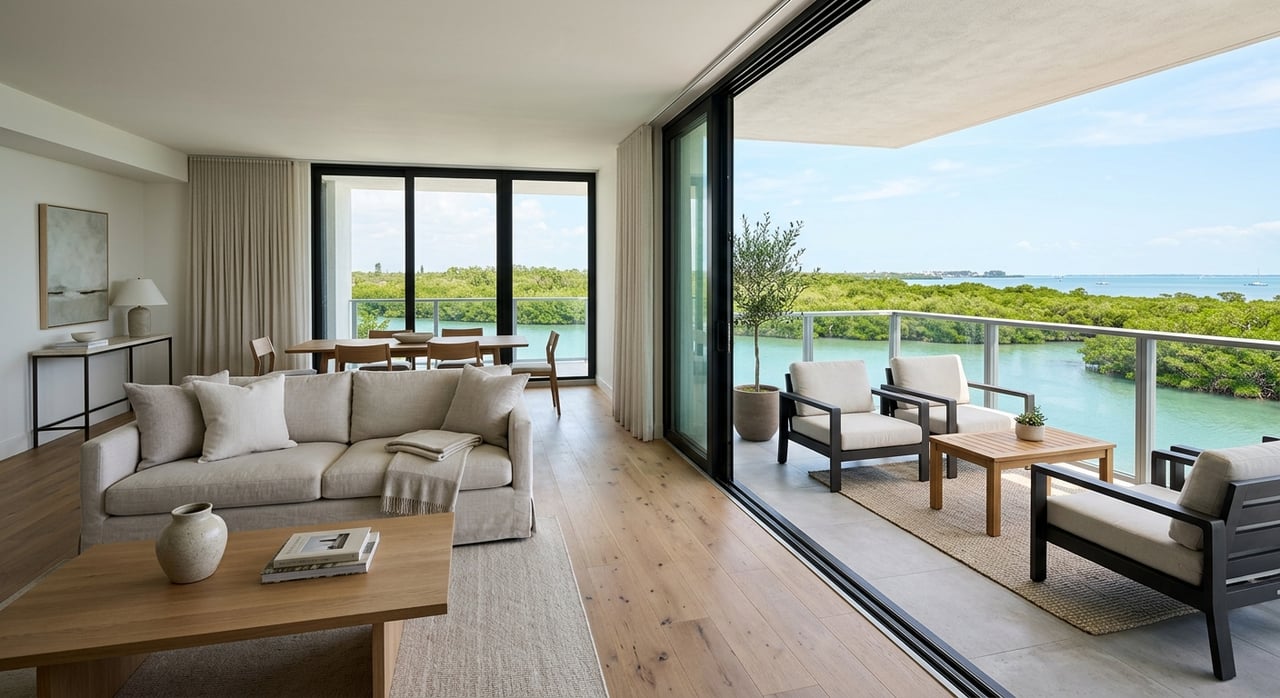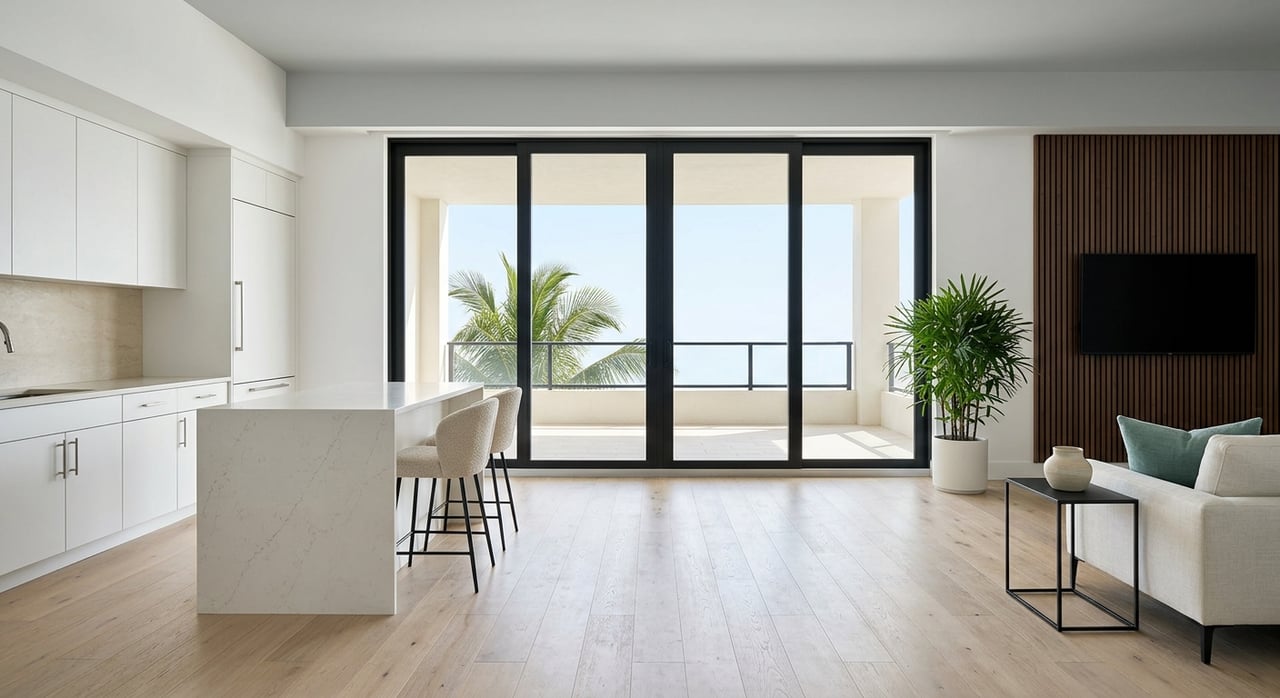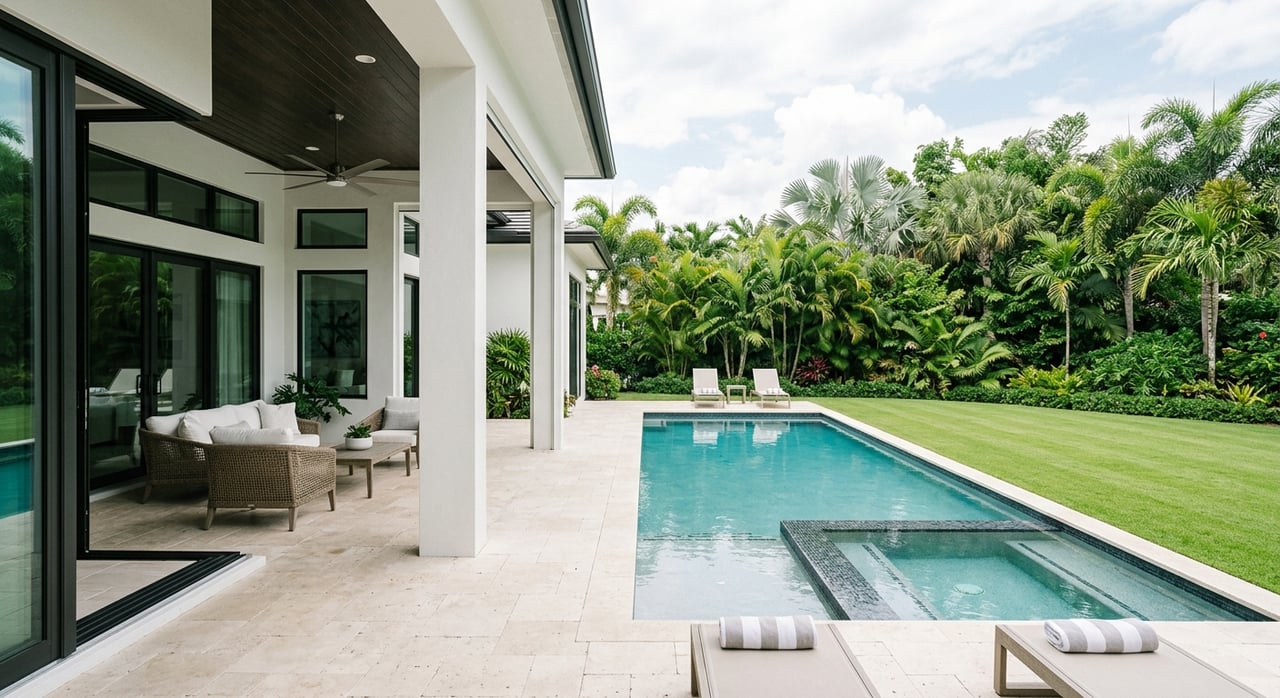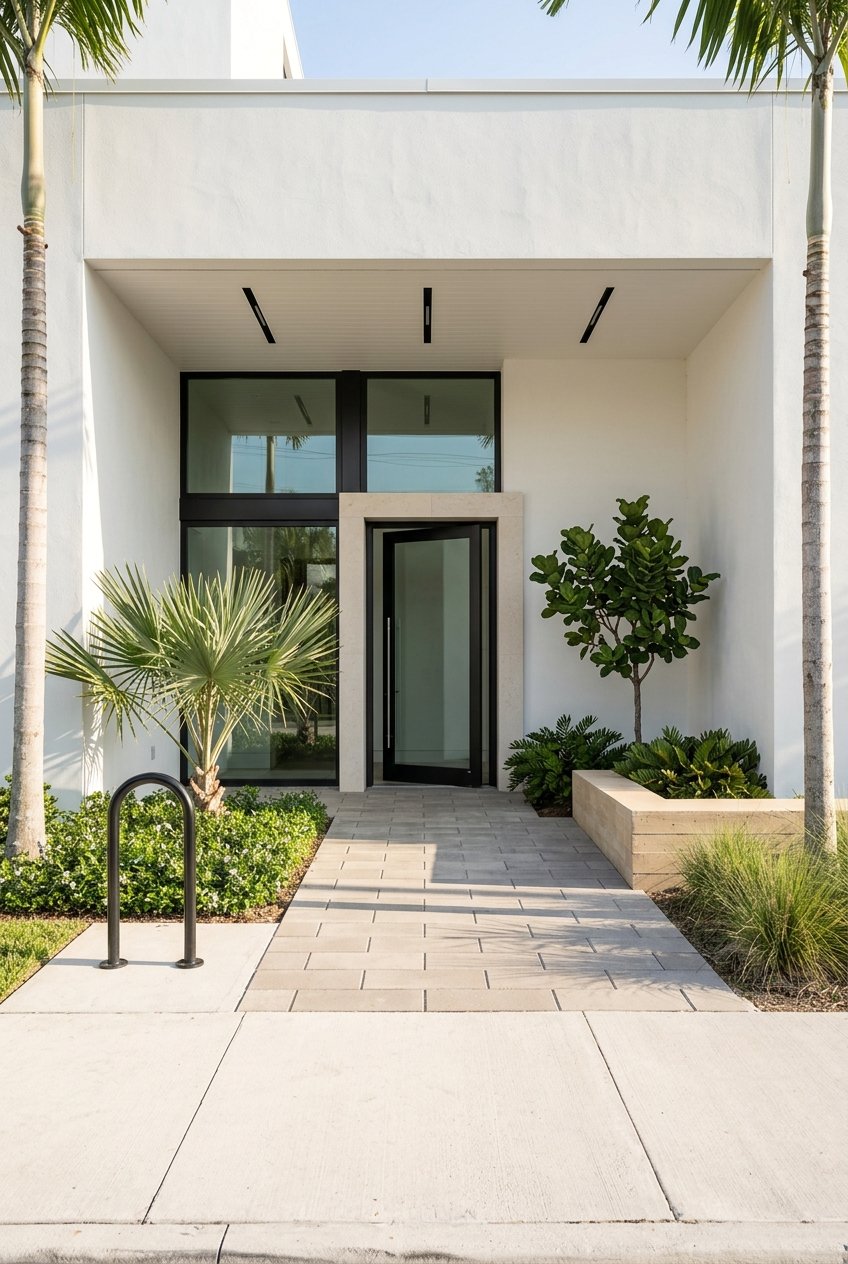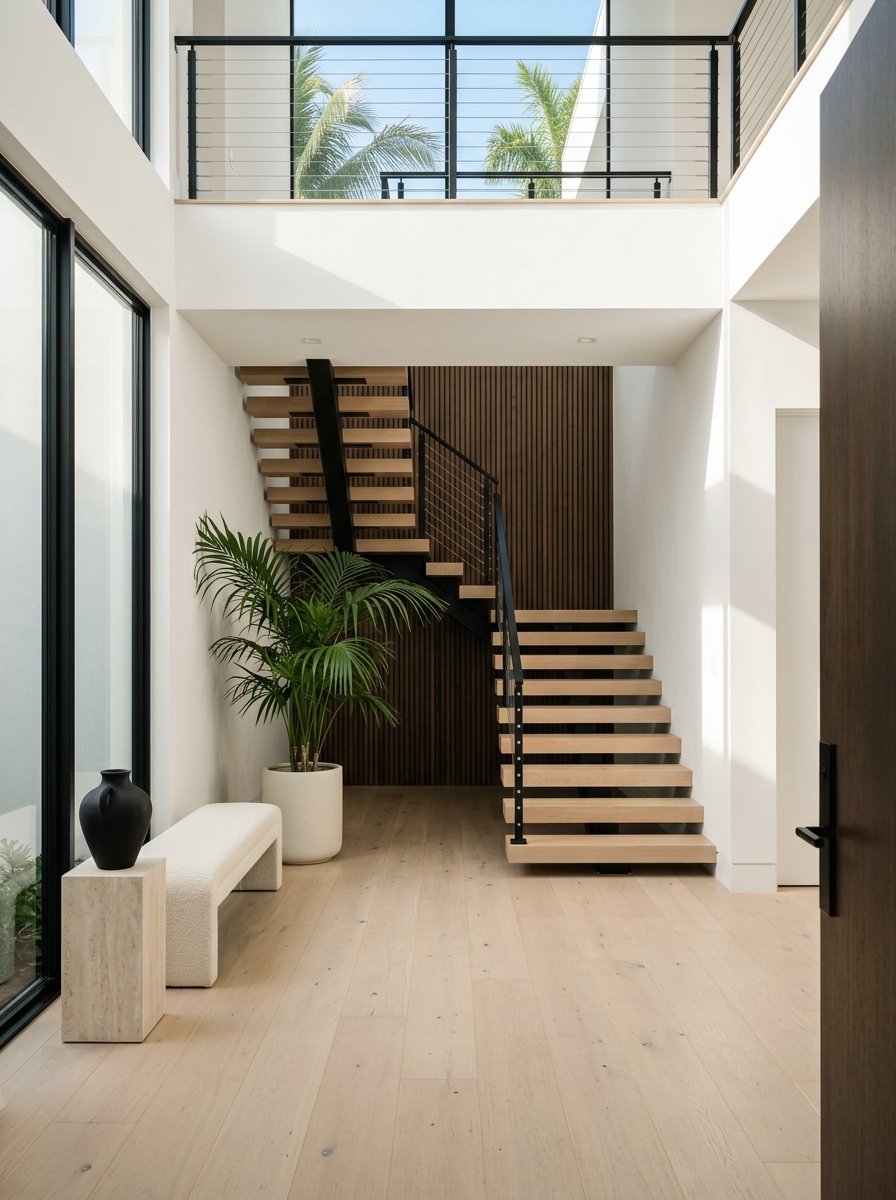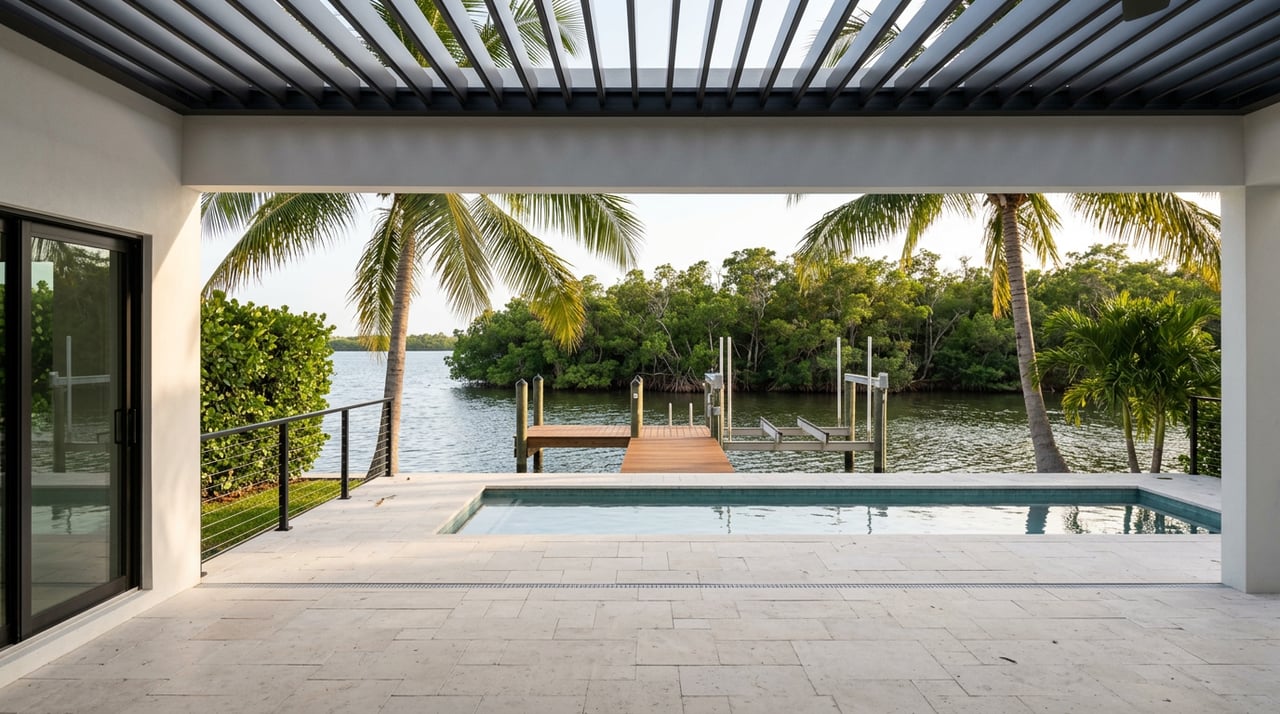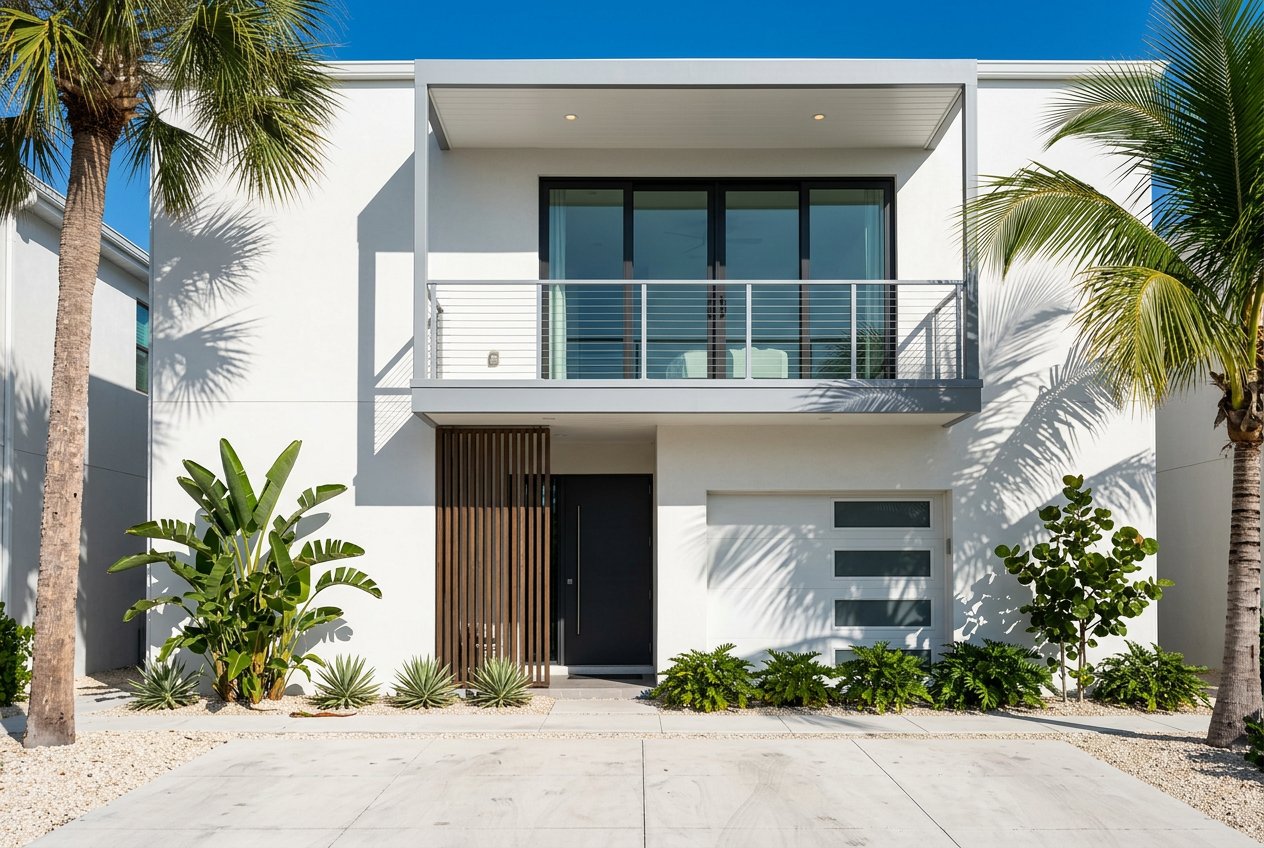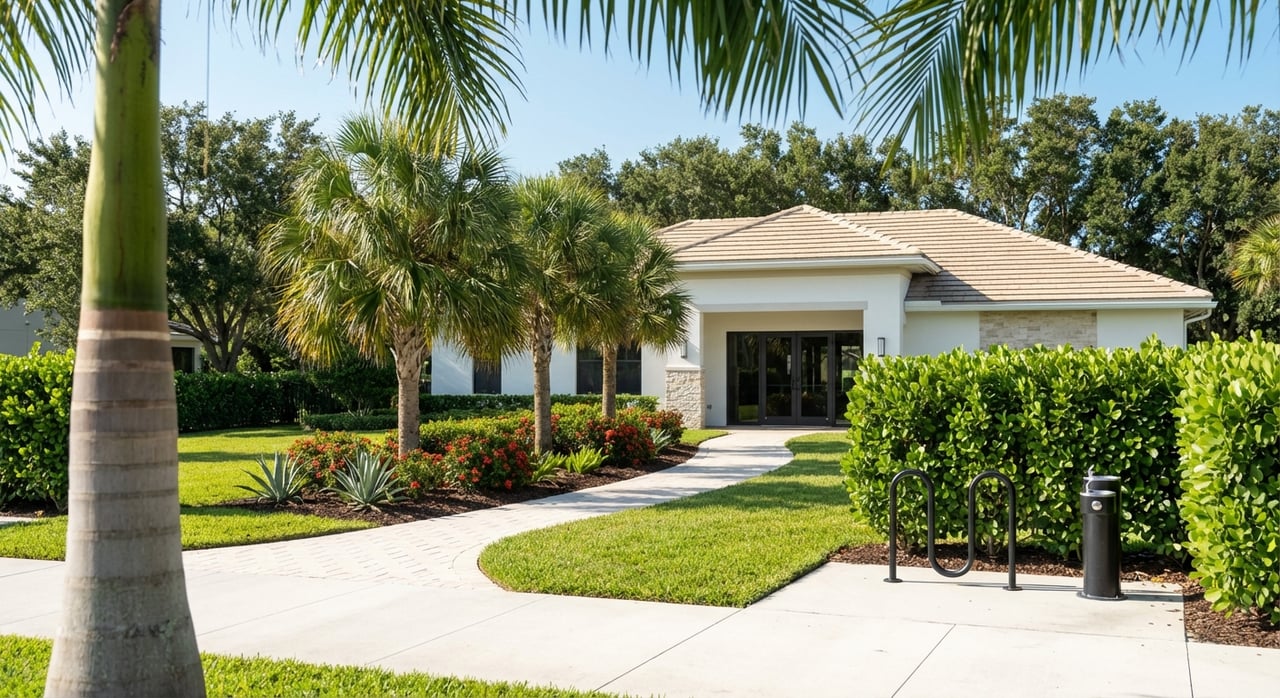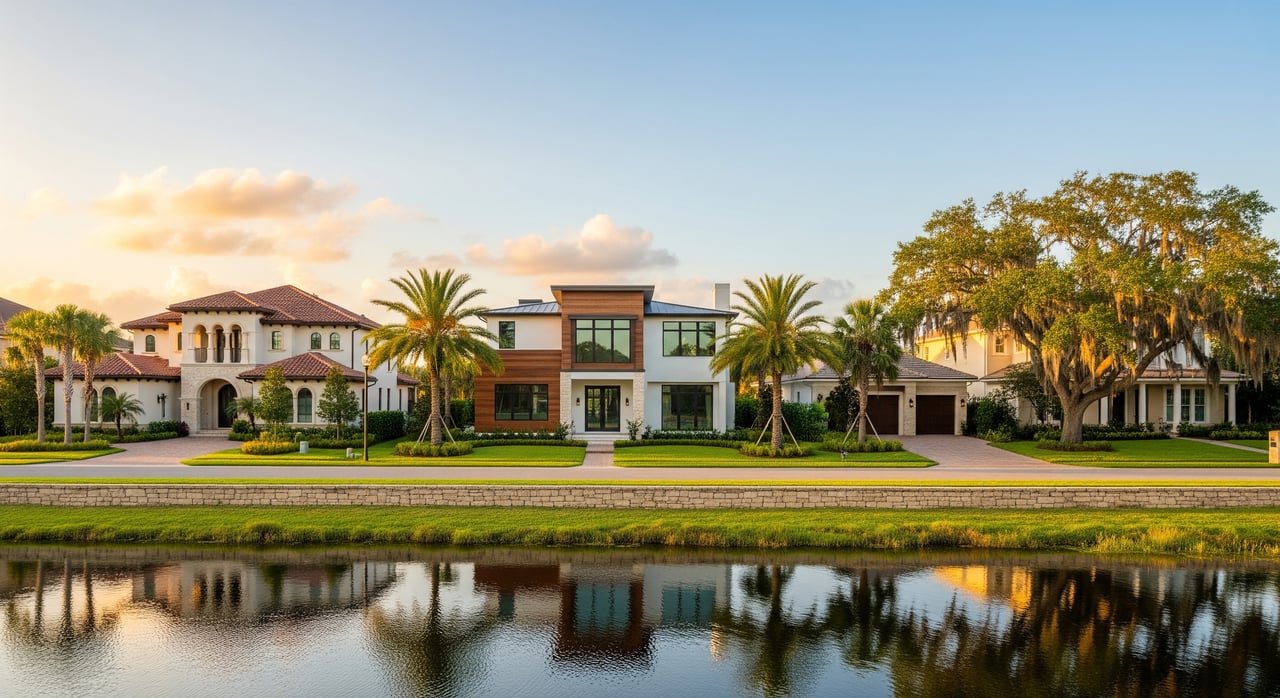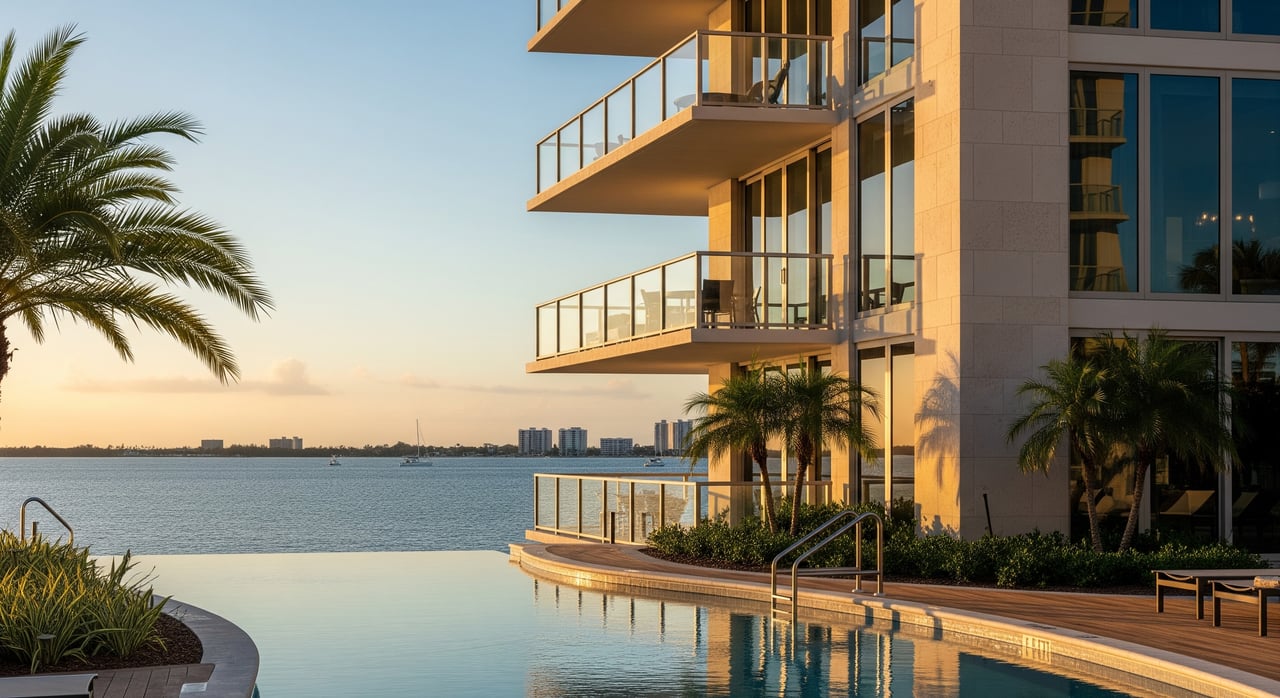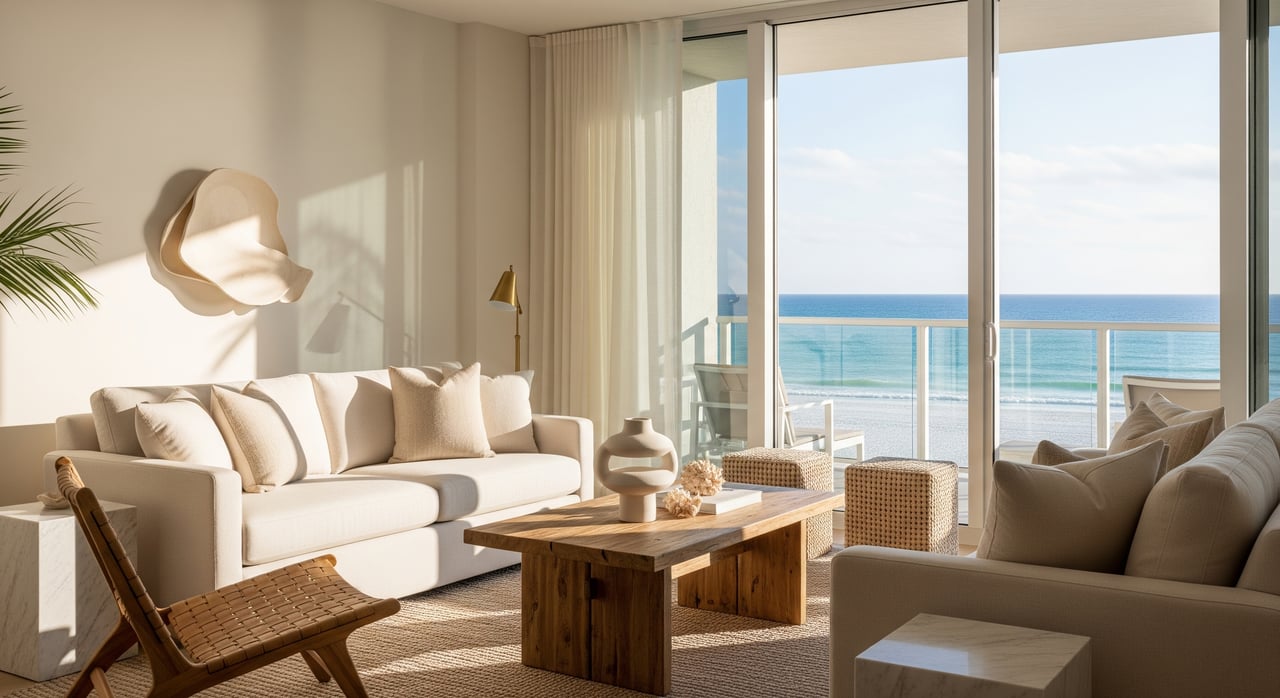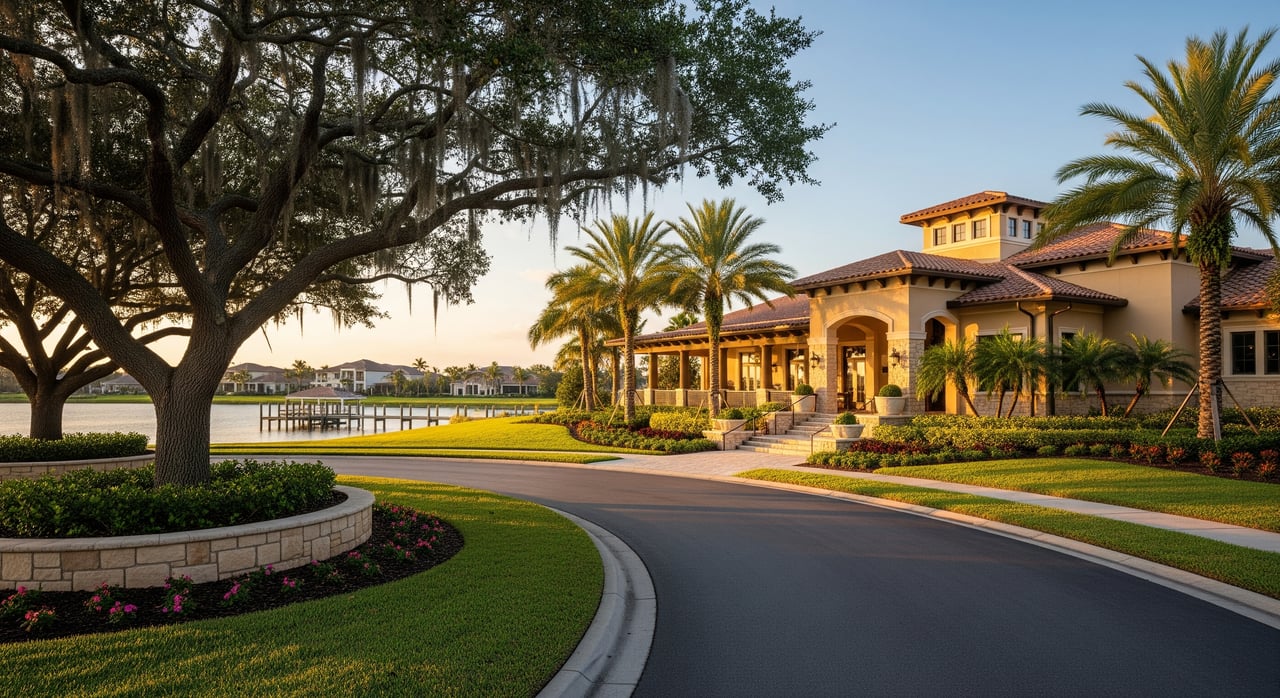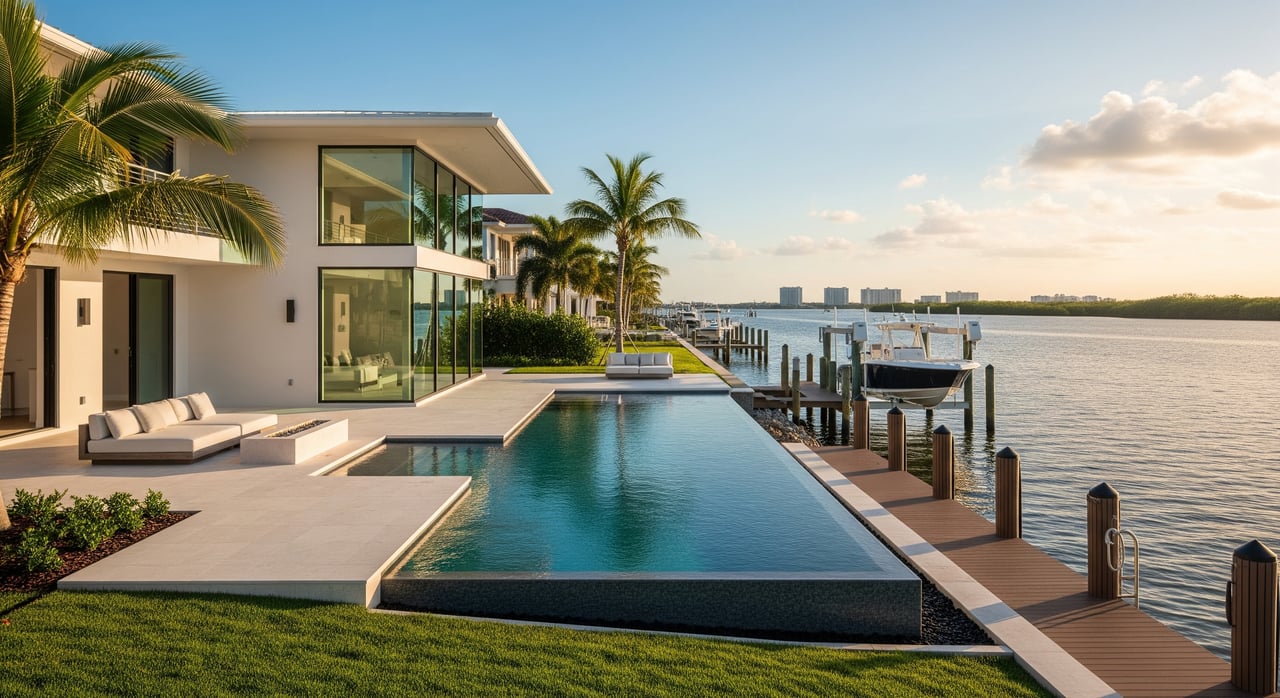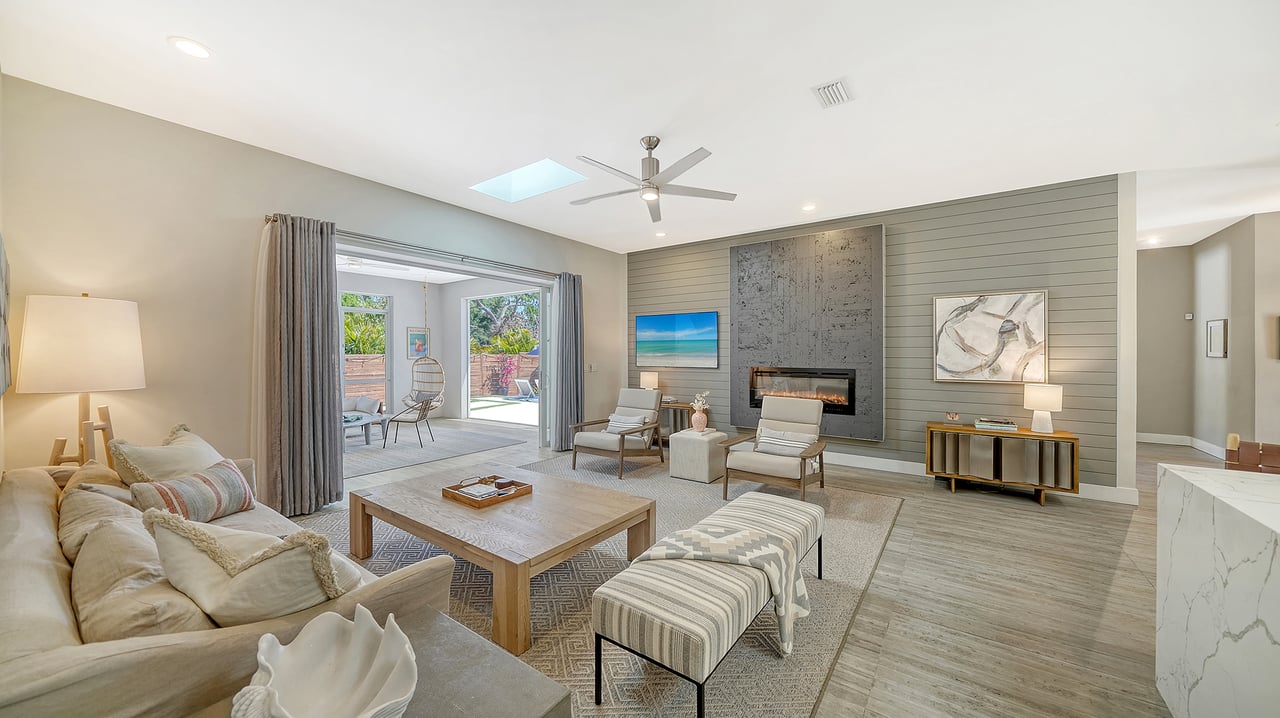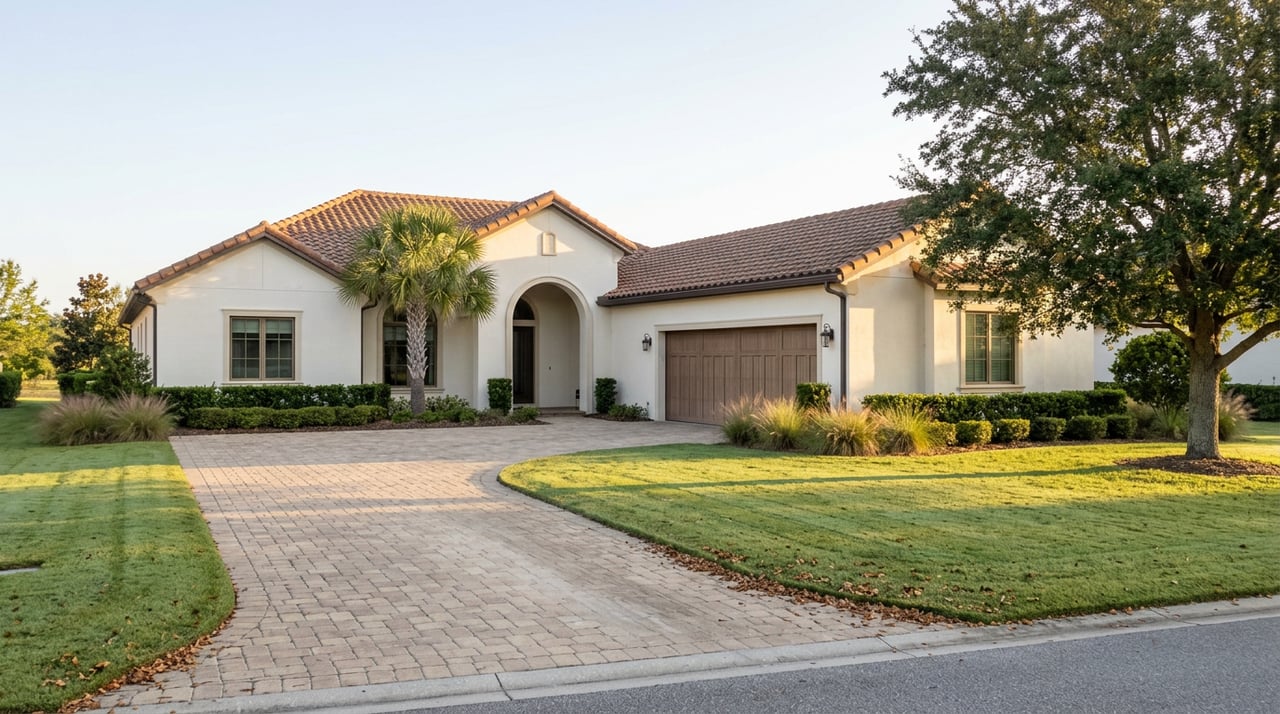
Picture two Lakewood Ranch homes a buyer might cross-shop this fall. One is a resale in an established village, listed at $620,000. The other is a new build a few miles away, listed at $650,000. On paper, the resale looks like the better deal by $30,000. Run the builder's current incentive sheet, though, and the new build often closes for less out of pocket, with a rate buydown that lowers the monthly payment and a design-center package the resale seller has no way to match at any price.
That gap between the number on the sign and the number the buyer actually pays is the story of the Lakewood Ranch market right now. It isn't visible in the median price you'll find on a portal search, and it's the reason resale sellers are finding this a harder market than the headline stats suggest.
The Number That Doesn't Match the Other Number
Here's the part that should make any serious buyer or seller pause. Over the three months ending in June 2026, the median sale price for a Lakewood Ranch home was $630,000, up 6.7% from the same period a year earlier. That sounds like a market getting more expensive. At the same time, the average home value across the community, tracked as a running index of the existing housing stock, sat at $583,858 as of the end of July 2026, down 4.8% over the past year. Homes were also moving faster, going under contract in an average of 43 to 46 days, down from roughly 72 days the year before.
A rising median next to a falling value index isn't a contradiction. It's a signal that the mix of what's actually closing has shifted. New construction, often priced higher on paper, is closing in higher volume and pulling the median up, even as the value of existing resale stock keeps drifting down. June 2026 alone saw 720 homes sold in Lakewood Ranch, up from 662 the year before, and a meaningful share of that increase is new product moving through builder pipelines rather than resale turnover.
If you're only looking at the median, you'd assume the market is heating up across the board. It isn't. It's splitting into two markets that behave differently, and the mechanism driving the split is sitting in plain sight on builder websites.
Where the Second Number Is Hiding
Builders don't cut list prices the way a resale seller does. Cutting a price is a public signal that something is wrong with the product or the market. Instead, builders attach incentive packages: mortgage rate buydowns, closing cost credits, design-center upgrade allowances, and lot premium waivers. None of that shows up as a lower number on the sign or in the MLS. It shows up in what the buyer actually signs at closing.
In Lakewood Ranch, that gap has been real money. Builder incentive packages have commonly run from $15,000 to $50,000 or more depending on the community and how much inventory a builder is carrying, according to local new-construction tracking. Nationally, the National Association of Home Builders found that a majority of builders were offering sales incentives as recently as 2025, the highest share in five years, and Lakewood Ranch's own reporting showed new homes with rate buydowns and closing assistance accounting for 66% of total sales in the community in the first quarter of 2025. That's not a fringe tactic. It's how a large share of new construction in this master-planned community actually transacts.
More than a dozen builders are active across Lakewood Ranch's villages right now, and each is running its own version of this playbook. Taylor Morrison is building out Esplanade at Azario. DR Horton has Star Farms. M/I Homes is active in Waterside. Del Webb, Neal Communities, Pulte, David Weekley, Kolter Homes, and Meritage Homes each have product moving in villages ranging from Catalina to Woodleaf Hammock. Every one of them can throw a $20,000 or $30,000 incentive at a slow-moving unit without ever touching the list price a resale seller down the street is trying to compete against.
The Math a Resale Seller Isn't Always Doing
Run the numbers the way a buyer's lender eventually will. A new build listed at $650,000 with a $30,000 incentive package, split between a temporary rate buydown and a closing cost credit, has an effective price of roughly $620,000. A resale listed at $620,000 with no concessions has an effective price of $620,000 too. Same number. Very different experience for the buyer, who gets a lower monthly payment in year one on the new build and a builder warranty on top of it.
| New Construction | Resale | |
|---|---|---|
| List price | $650,000 | $620,000 |
| Incentive value | $30,000 (rate buydown + closing credit) | $0 |
| Effective price | ~$620,000 | $620,000 |
| Monthly payment (early years) | Lower, subsidized rate | Market rate |
| Condition | Builder warranty, no deferred maintenance | Depends on age and upkeep |
The resale seller who prices strictly against comparable list prices, without accounting for what the new-build buyer next door is quietly getting, is often pricing into a fight they don't know they're in.
What a Resale Seller Is Actually Competing Against
This isn't a reason to panic about selling a resale in Lakewood Ranch. It's a reason to compete on the things new construction structurally can't offer. An established village like Country Club, Country Club East, Central Park, or Greenbrook has largely paid down its original infrastructure bonds, which means a lower or fully retired Community Development District assessment compared to a newer village like Azario or The Woodlands, where the debt service is still being collected in full. I've written a longer breakdown of how those CDD assessments actually work and why they vary so much by village, which is worth reading before you set a listing price or write an offer in any part of Lakewood Ranch.
Mature landscaping, no nine-to-twelve-month build timeline, and a home you can walk through today instead of picture from a floor plan are real advantages. They just aren't the advantages that show up in a side-by-side price comparison, which is exactly why a resale listing needs a pricing and marketing strategy built around what it can prove today rather than what a builder promises in a year.
What This Means If You're the One Buying
If you're shopping new construction, ask for the current incentive sheet before you compare that home's list price to anything else on your list. Builders update these regularly, and the value attached to a given lot can change from one visit to the next depending on how close the community is to a sales goal. Back that incentive value out of the list price to get your real number, then compare that number, not the sticker, against resale options in the same budget.
If you're shopping resale, the flip side matters too. A resale priced right in an established village with a low or retired CDD can be the better long-term hold even if a new build down the road looks like the flashier deal on move-in day. The rate buydown a builder offers is usually temporary. The lower carrying costs of an older, paid-down village last as long as you own the home.
Two Quick Questions Before You Write an Offer
Does the incentive follow the house or the buyer? Most builder incentives are tied to using the builder's preferred lender and title company. If you already have a lender relationship you trust, ask specifically what the incentive is worth if you finance elsewhere. Sometimes it's less. Sometimes it disappears entirely.
Is the resale price actually competing with today's builder incentives, or last quarter's? Incentive packages shift monthly as builders manage inventory. A resale priced against a builder deal from three months ago may be pricing against a number that no longer exists, in either direction.
Lakewood Ranch remains one of the most active master-planned communities on the Gulf Coast, and that activity is exactly why the math has gotten more complicated, not less. Whether you're weighing a resale against new construction or trying to price a listing against a builder's next incentive push, the honest number is rarely the one printed on the sign.
If you want a clear read on what a specific Lakewood Ranch home is actually worth against what's competing with it right now, Kelly Rosenberg has spent decades pricing property across Sarasota and Manatee County with exactly this kind of detail in mind. Reach out for a personalized home valuation or a straightforward market consultation before you price a listing or make an offer.
This article is general information, not legal, tax or financial advice. Consult a qualified professional about your situation.